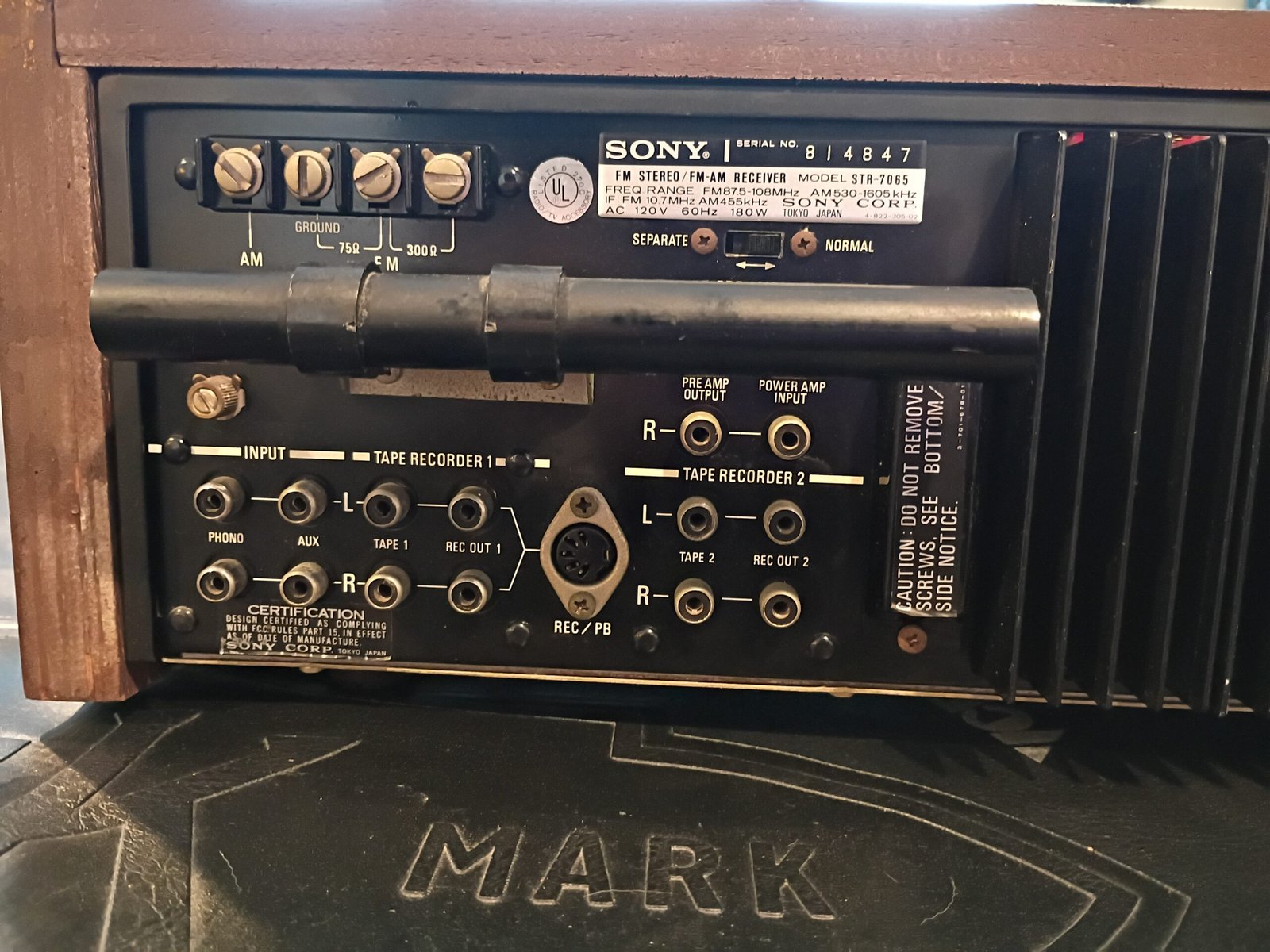
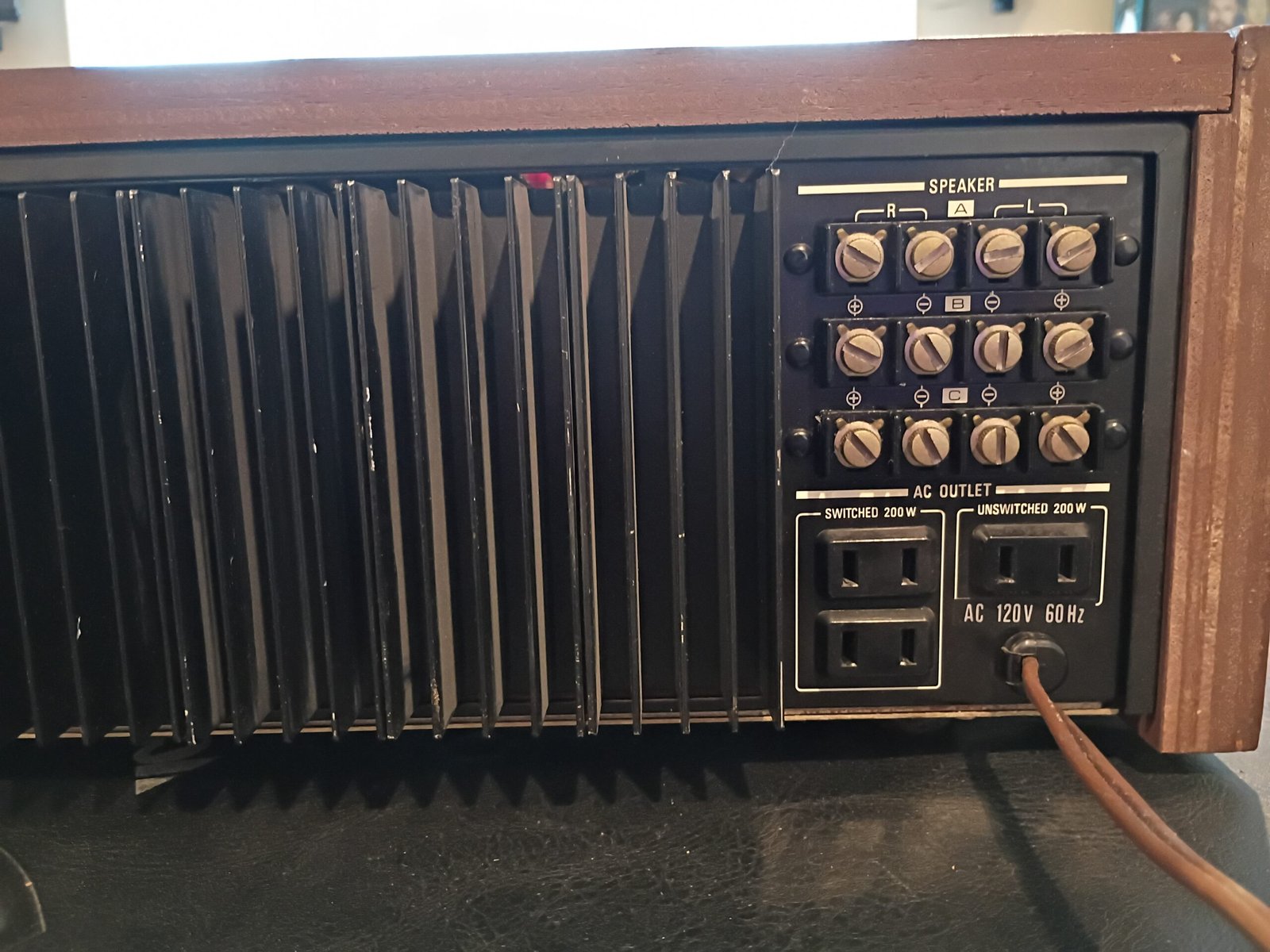
Beyond the list of standard restoration steps detailed on the main page, here are some added notes for this unit :
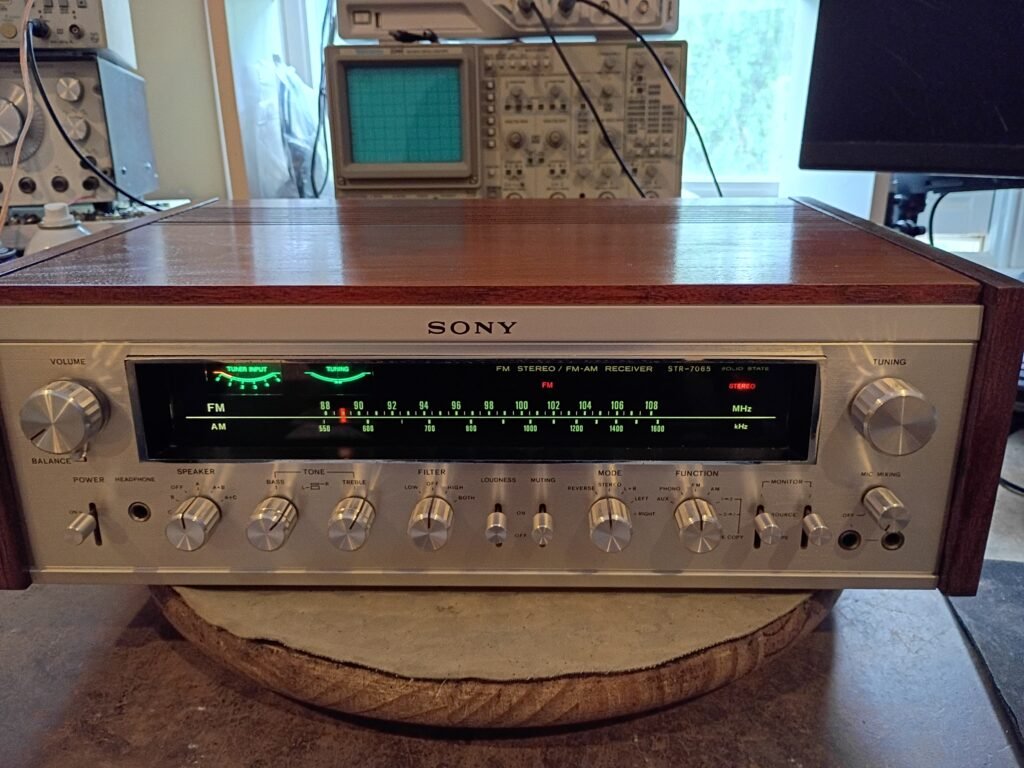
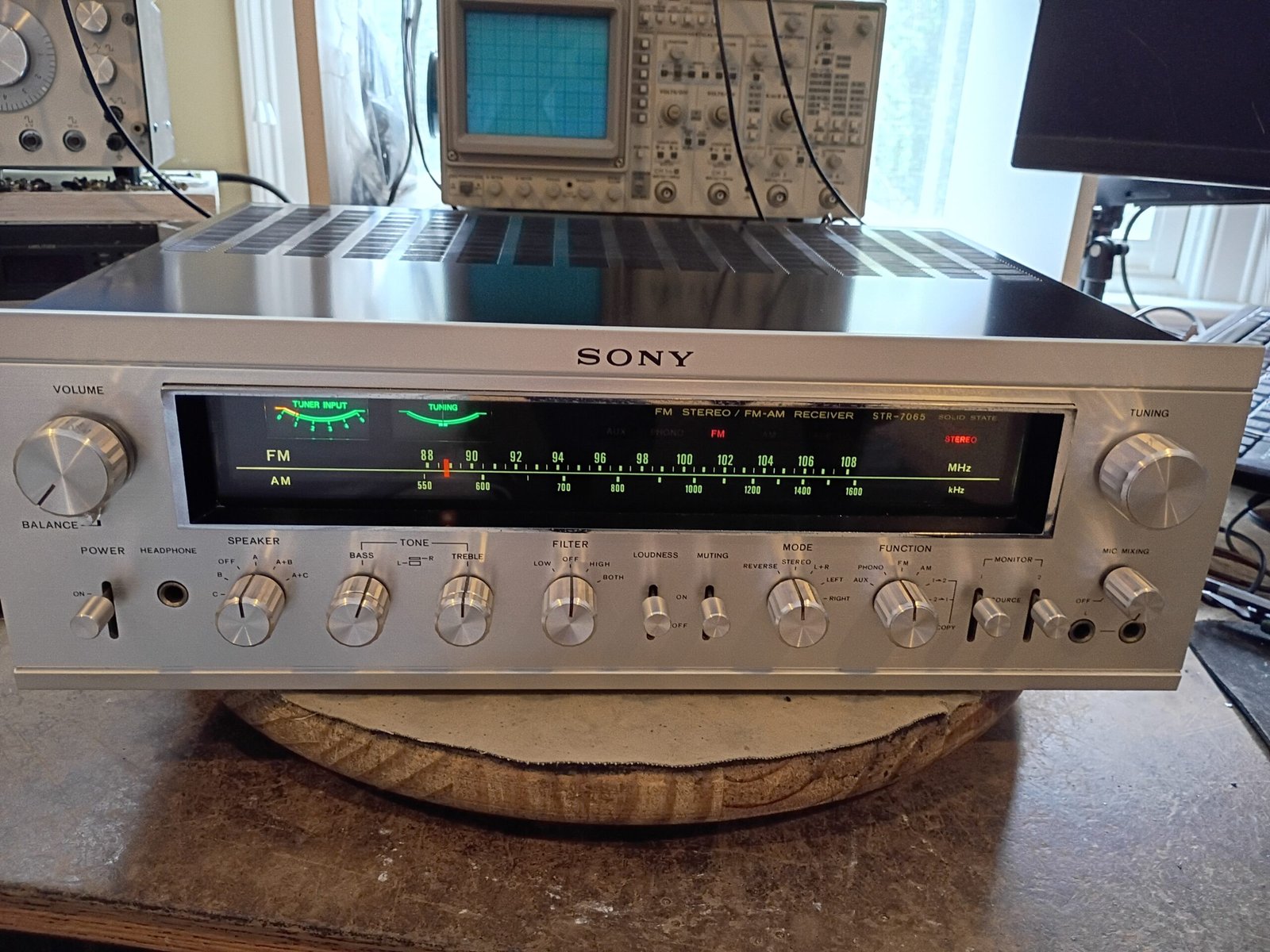
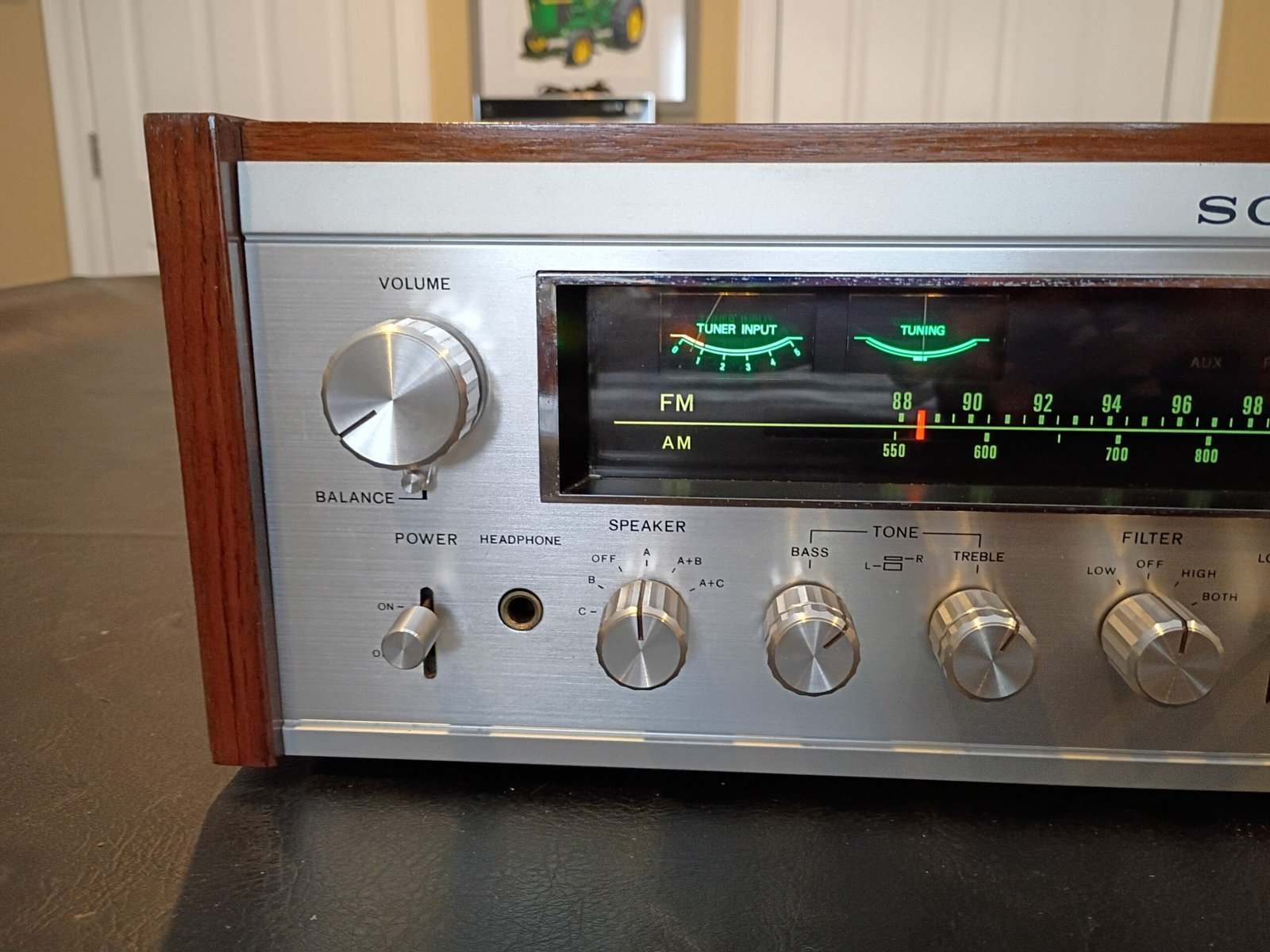
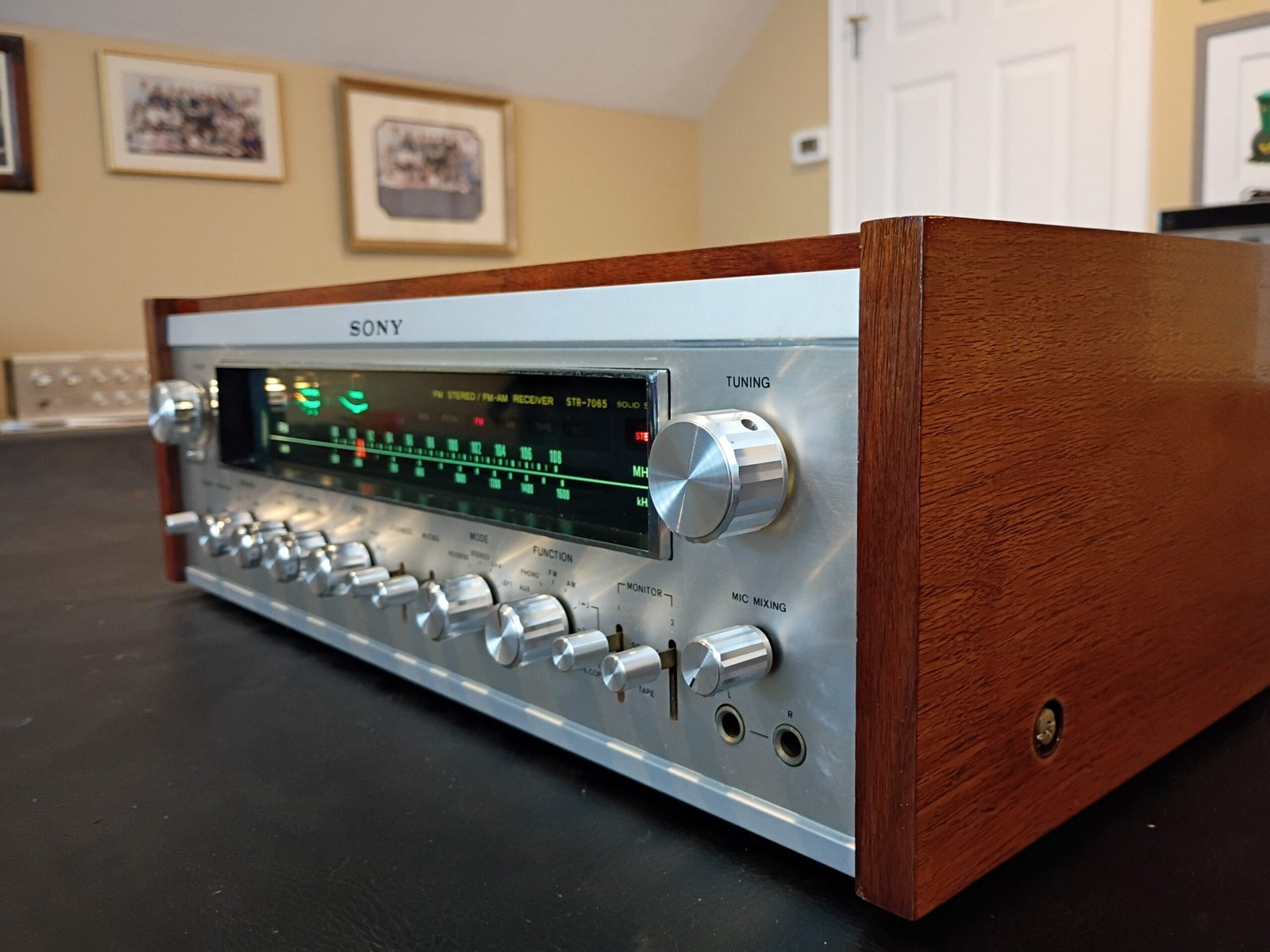
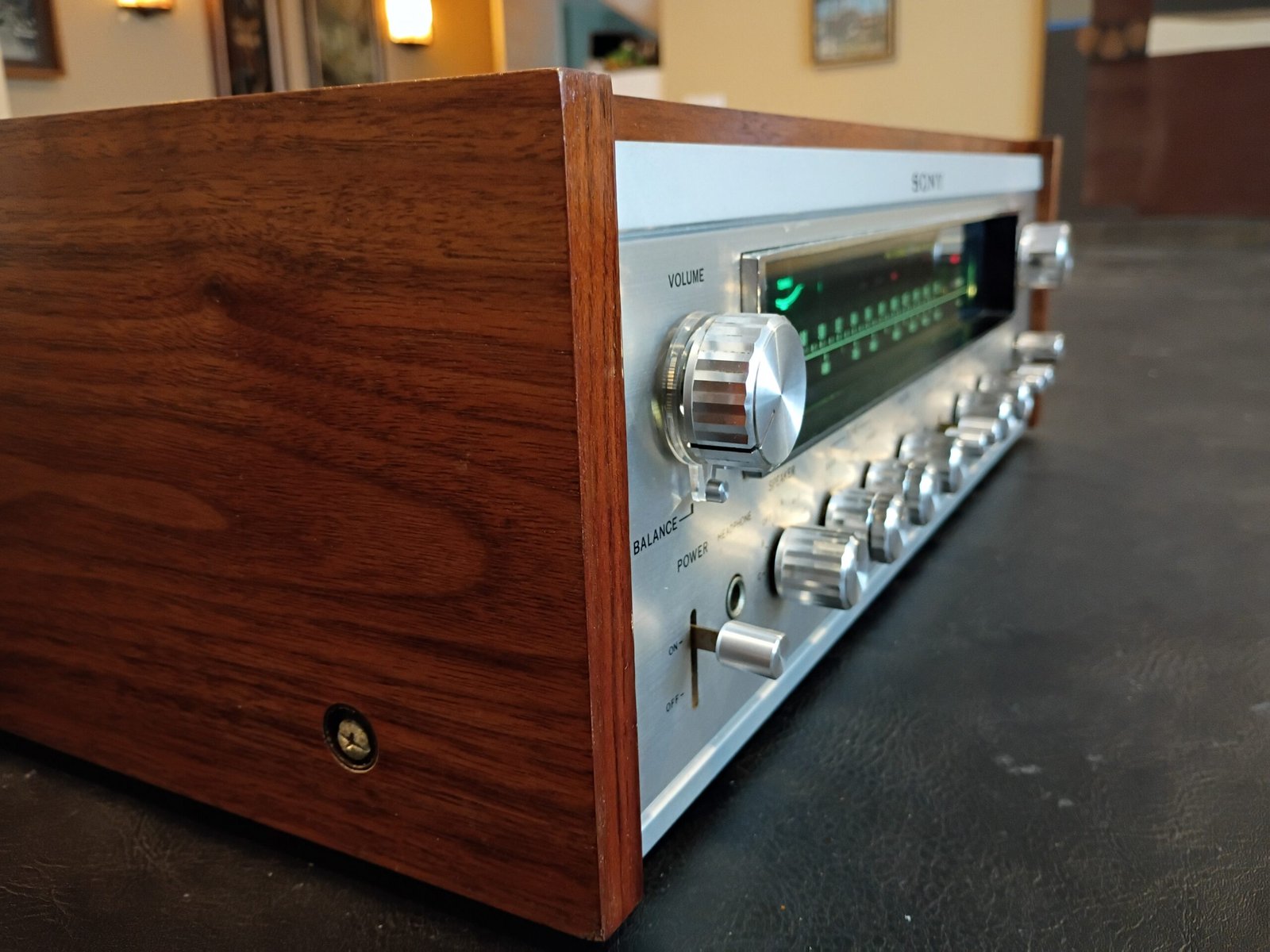
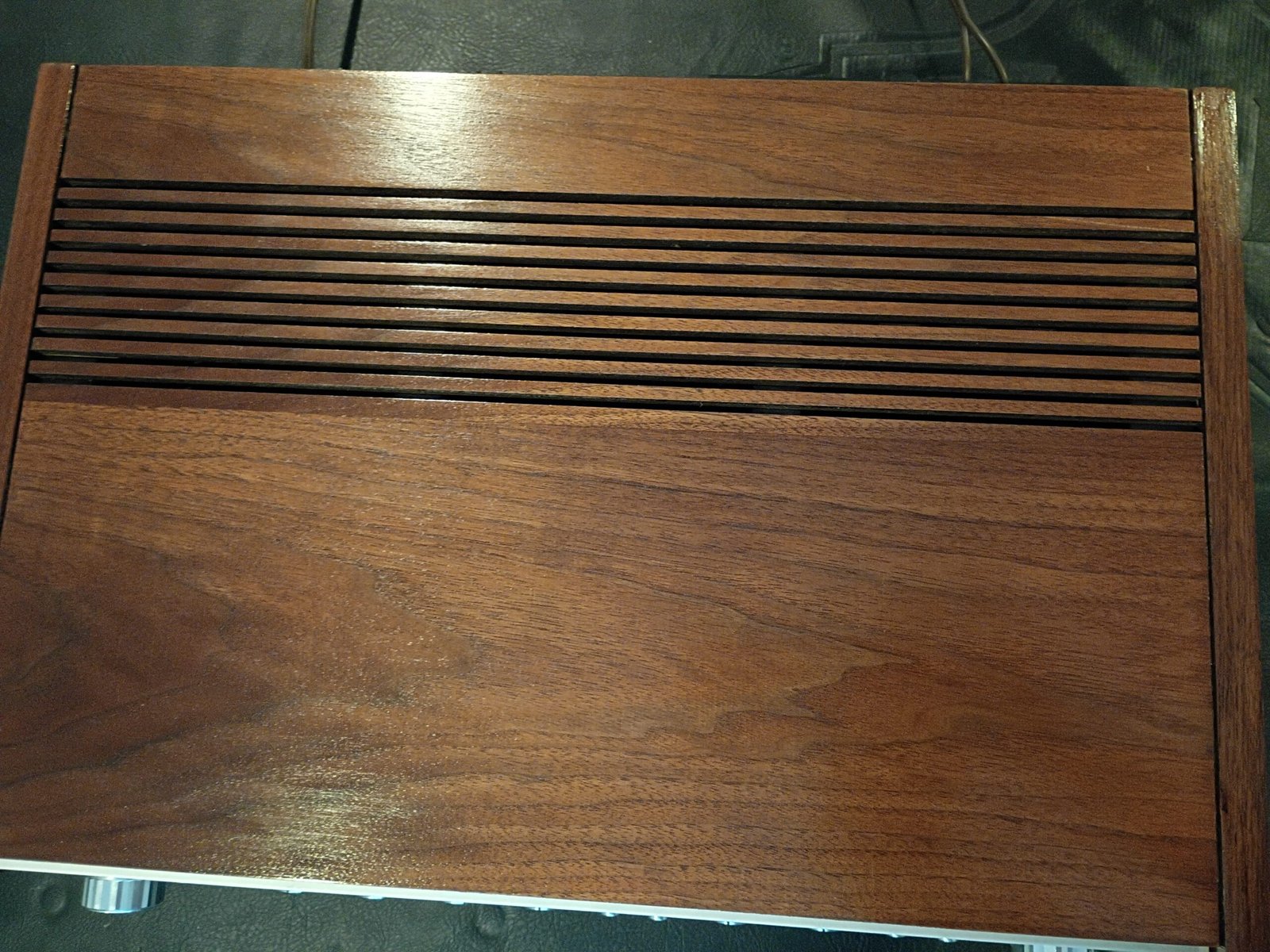
I bought this receiver from Goodwill based on excellent cosmetics and assurance it “powered on”. The Sony wood cabinets of this era had wood slats on the top which are often mangled/missing after 50 years. This example was complete and undamaged.
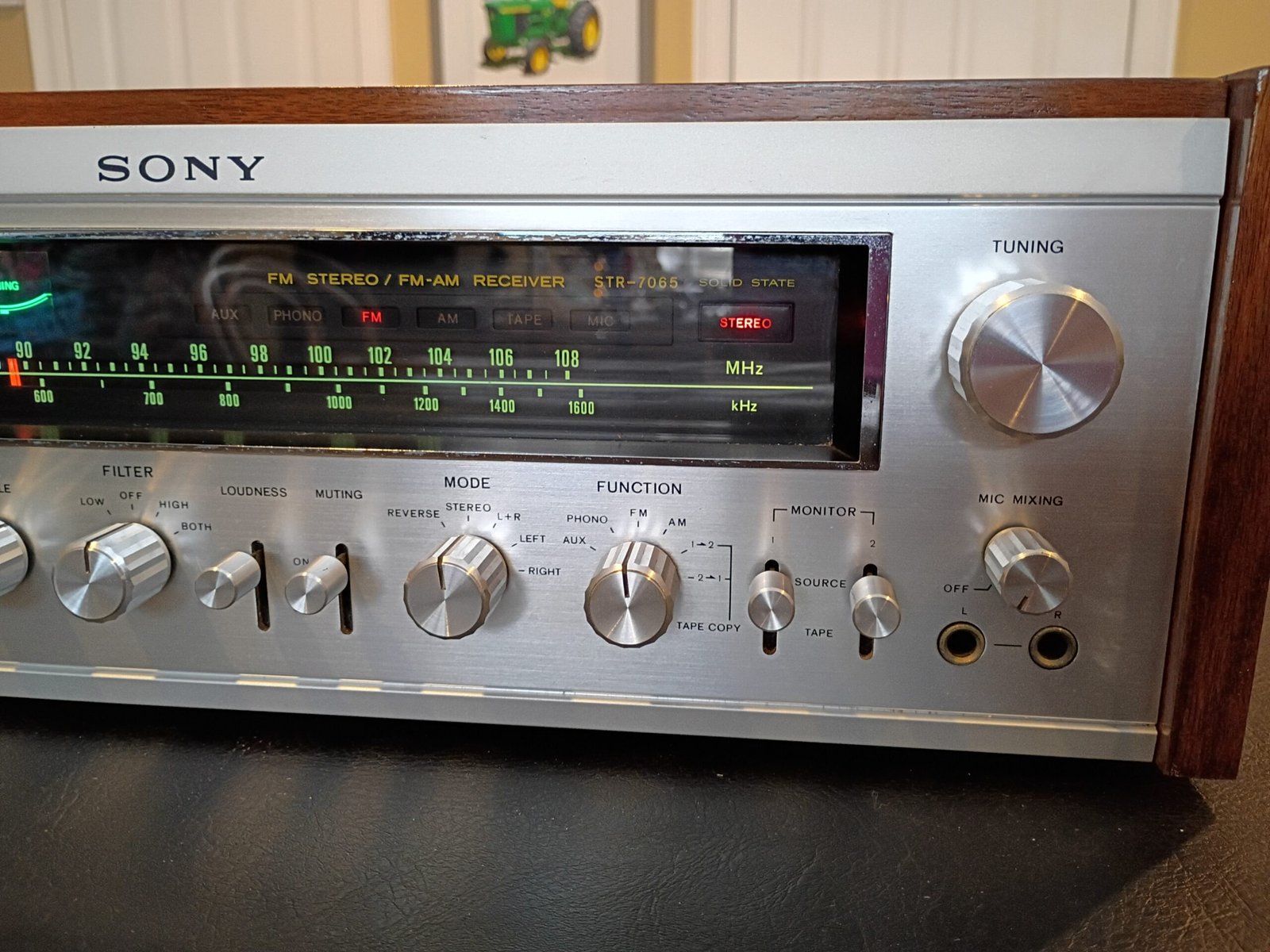
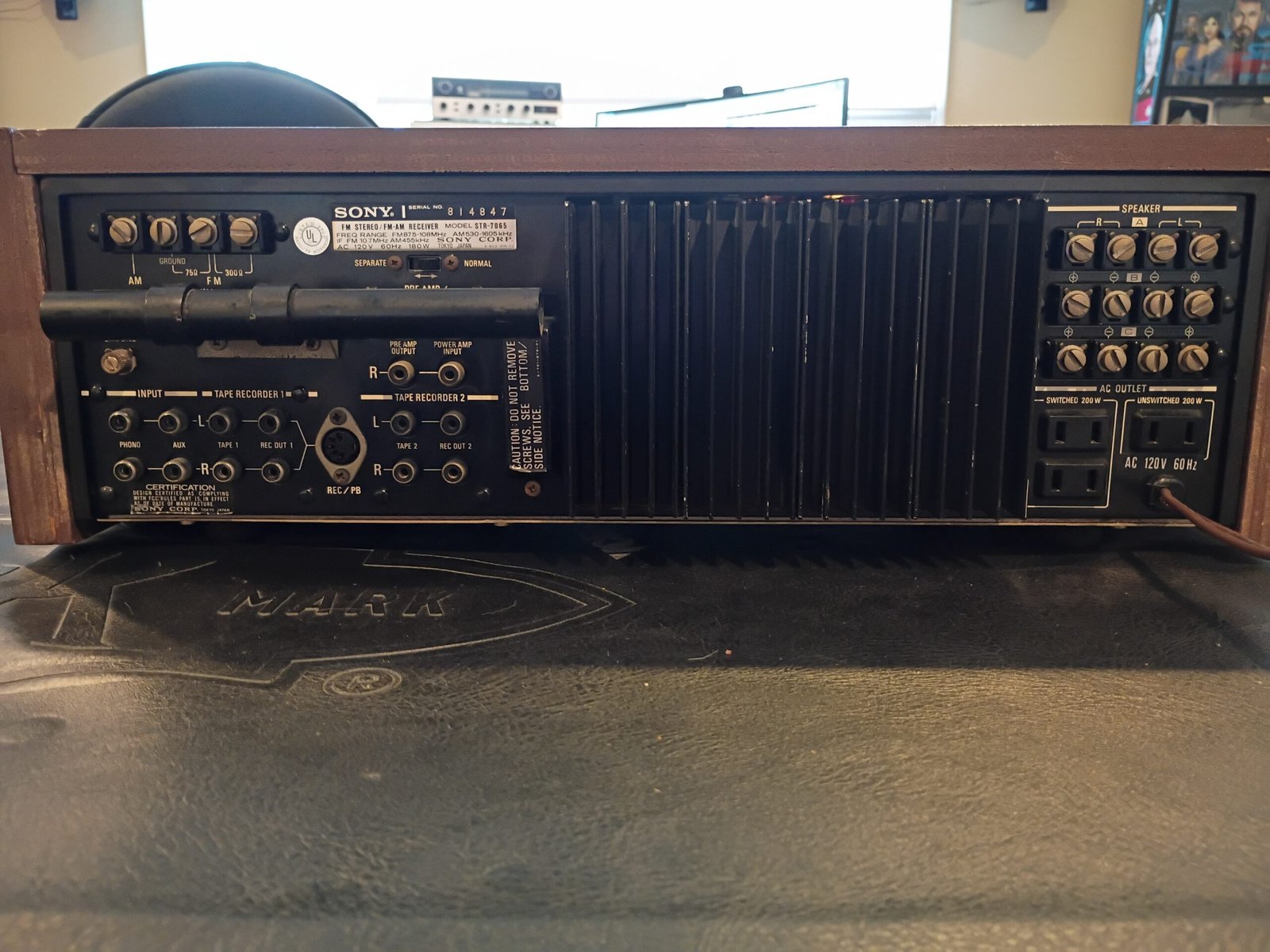
The STR7065 was Sony’s top-of-the-line receiver from 1972 to 1974. IMHO, this was the apex of Sony design before they changed styling and build quality started suffering.
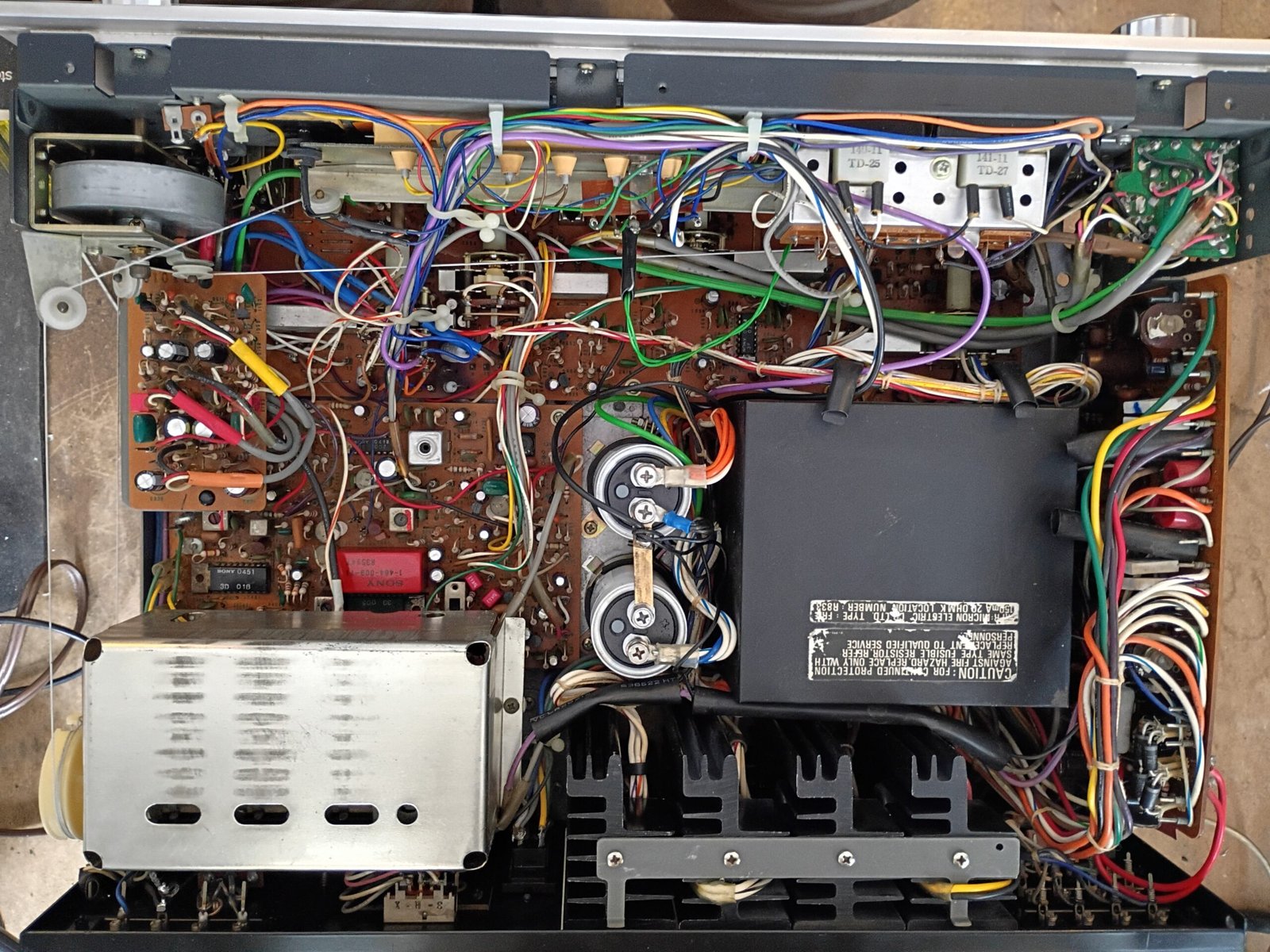
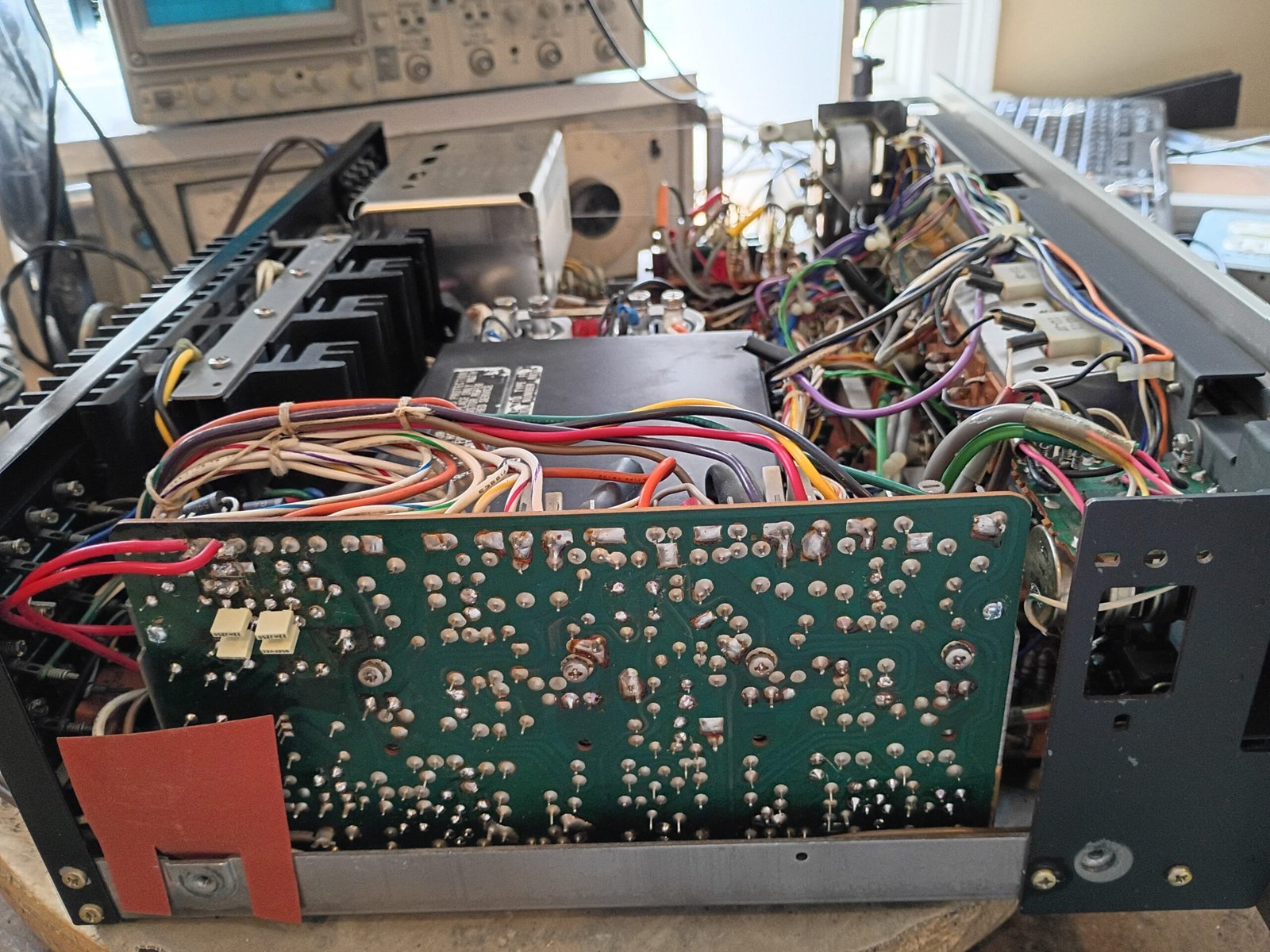
Initial visual inspection revealed what is a typical overheating issue in the power supply section. Sony engineers put a rather hot 5W resistor right next to 4 small rectifier noise filter caps. After decades, the constant heating fries these caps and chars the top of the board. This looks worse than it is as the backside of the board (where the copper traces are) was undamaged. I removed the bad caps and mounted replacements on the back side of the board to shield them from heat damage going forward. I also replaced the 4 large rectifier diodes for good measure and reflowed all the solder joints in the power supply section.
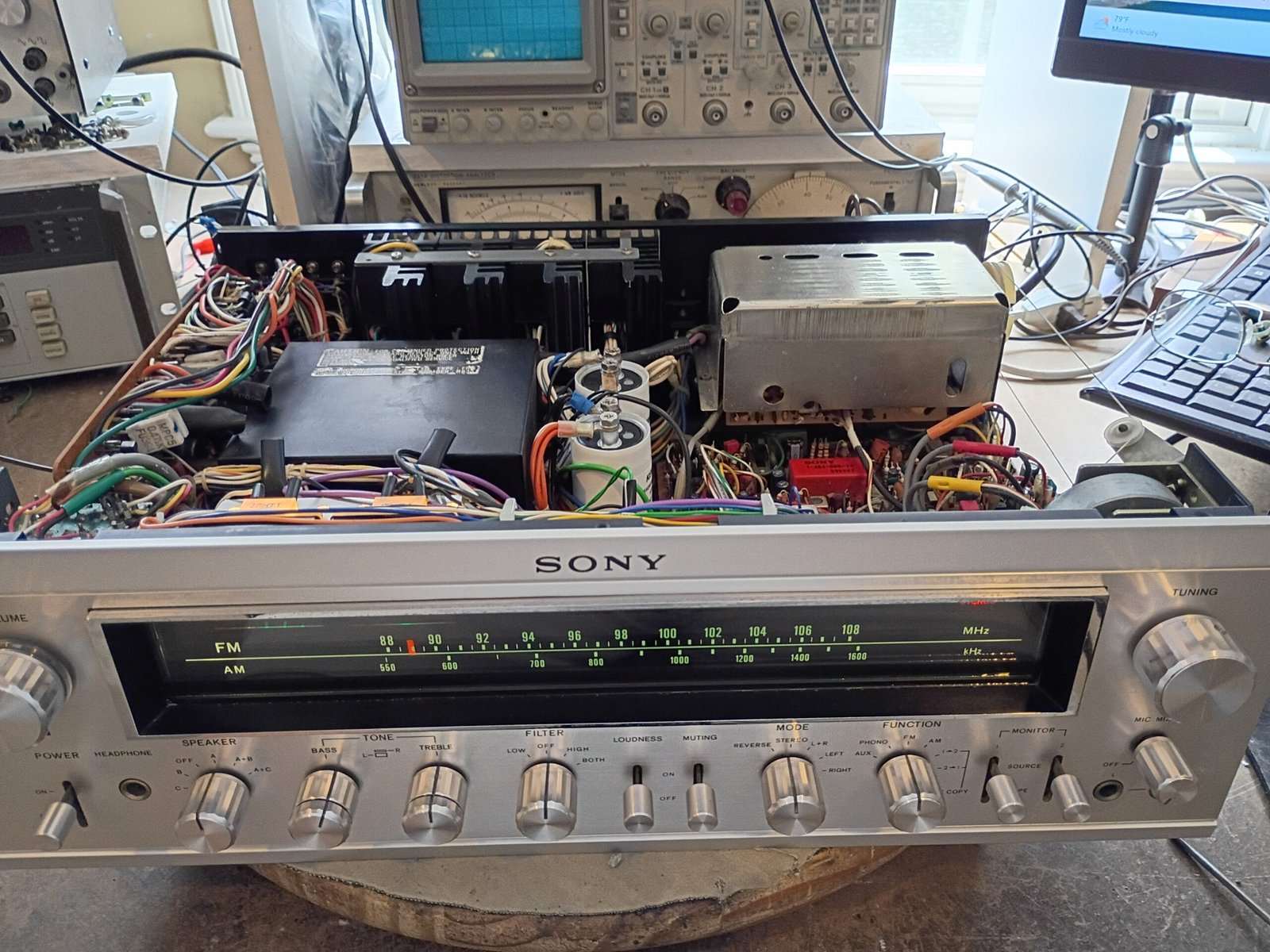
After cleaning all the pots and switches, initial power up testing was then done with high functionality demonstrated. Dial, meter and “stereo” lamps were faulty and were replaced. FM tuning had “crunchy” regions which were eliminated by carefully cleaning the axle in the tuning cap assembly to re-establish a good ground as the axle turns.
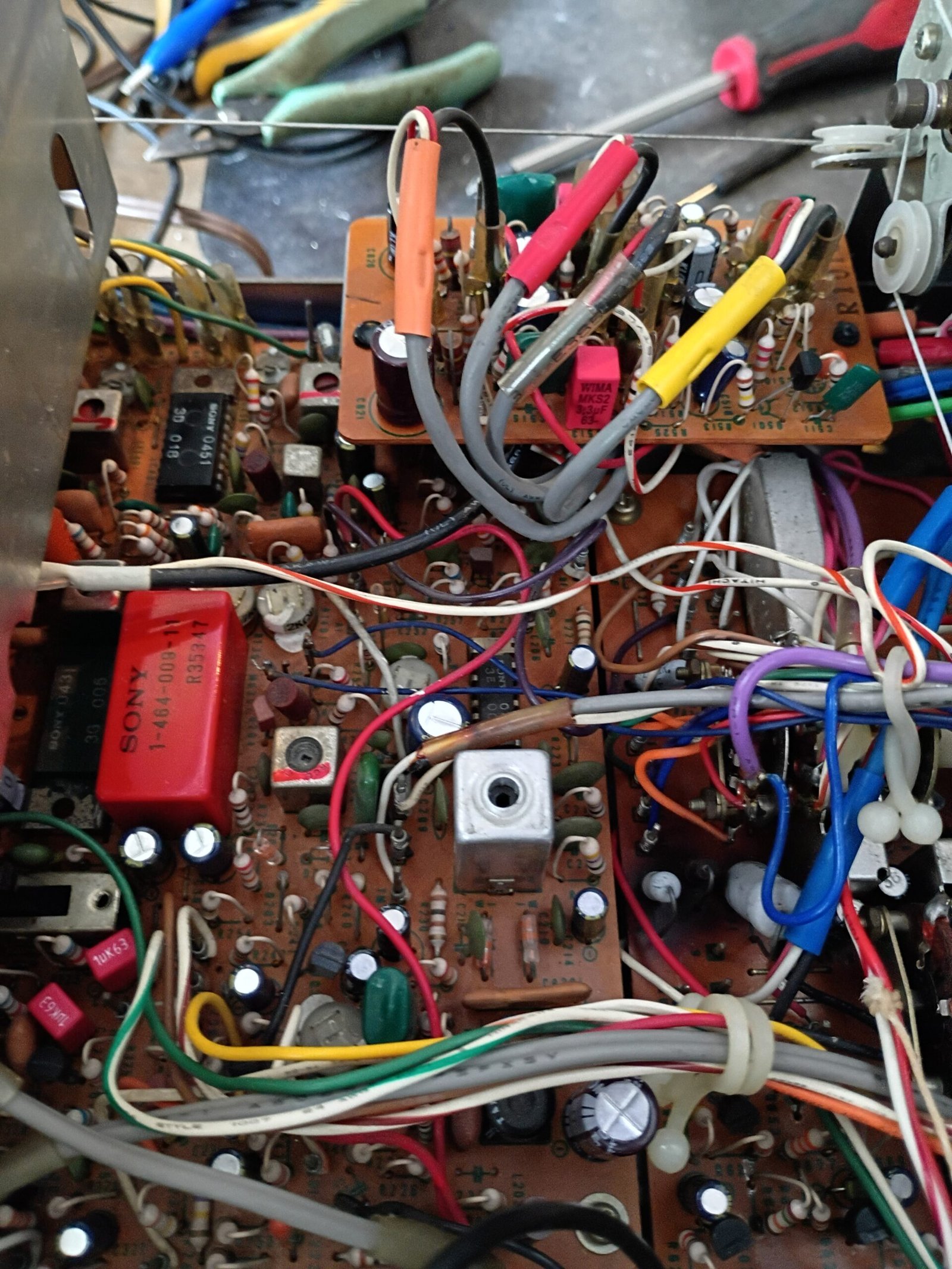
The recap went smoothly and the FM section performance dramatically improved after recap and alignment. I really like the sound of these Sony amplifiers and this one is a great example.
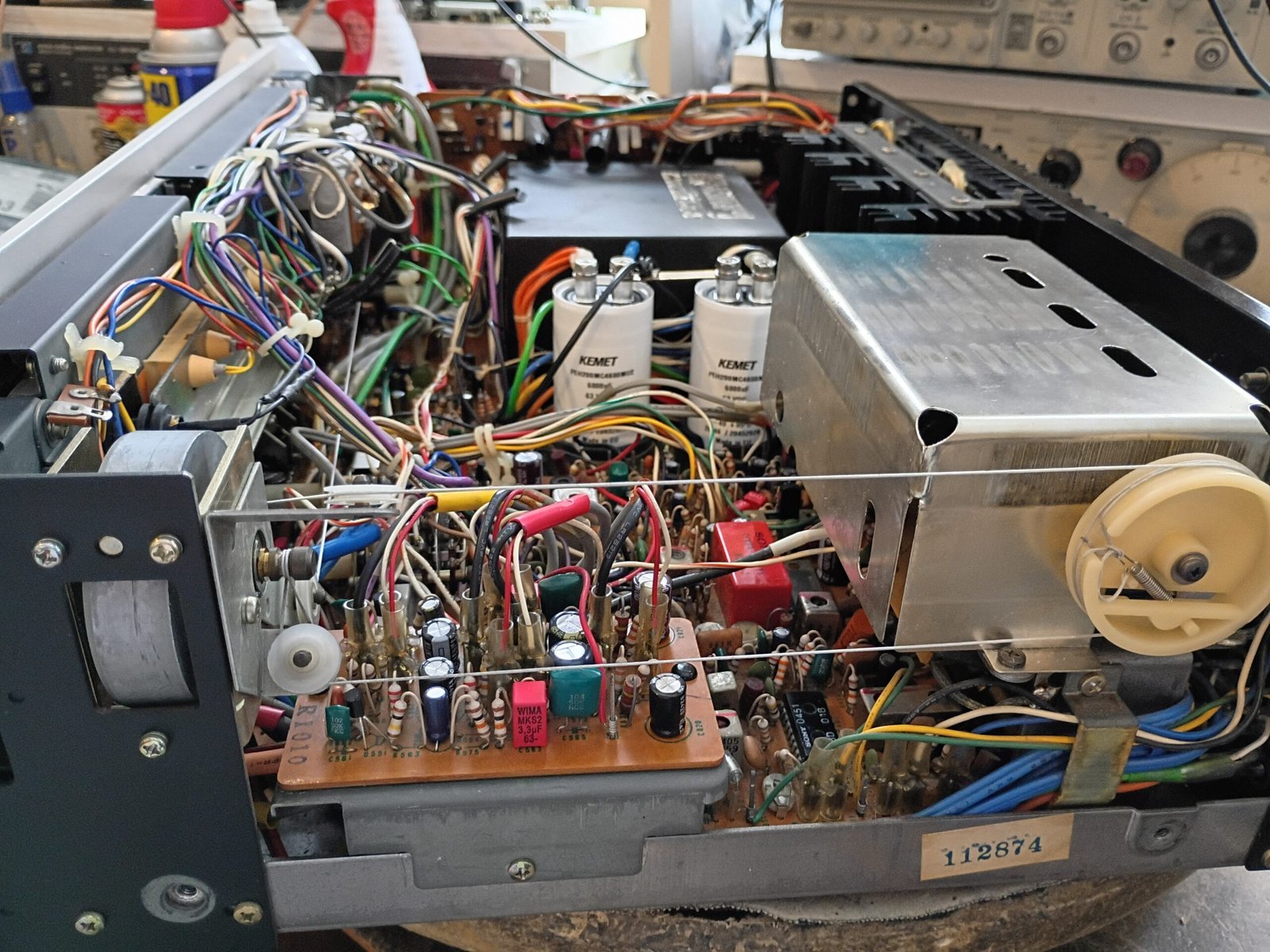
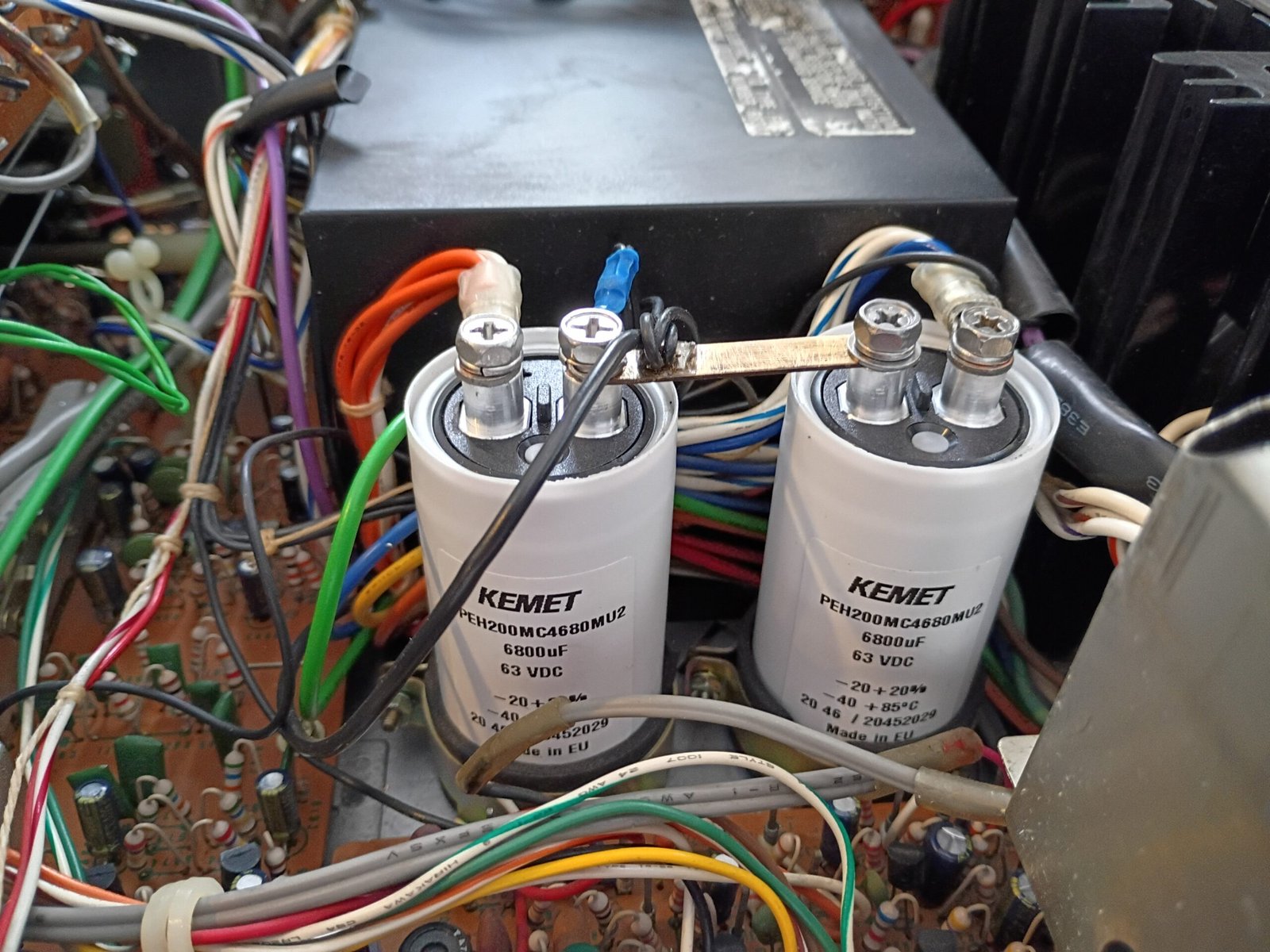
Note that the new main amplifier caps I installed are the excellent/expensive “PEH” series from Kemet. I was able to use these as Sony has the caps standing “connectors up” vs normal amplifier chassis mounts where the caps are inverted (not allowed for PEH caps).
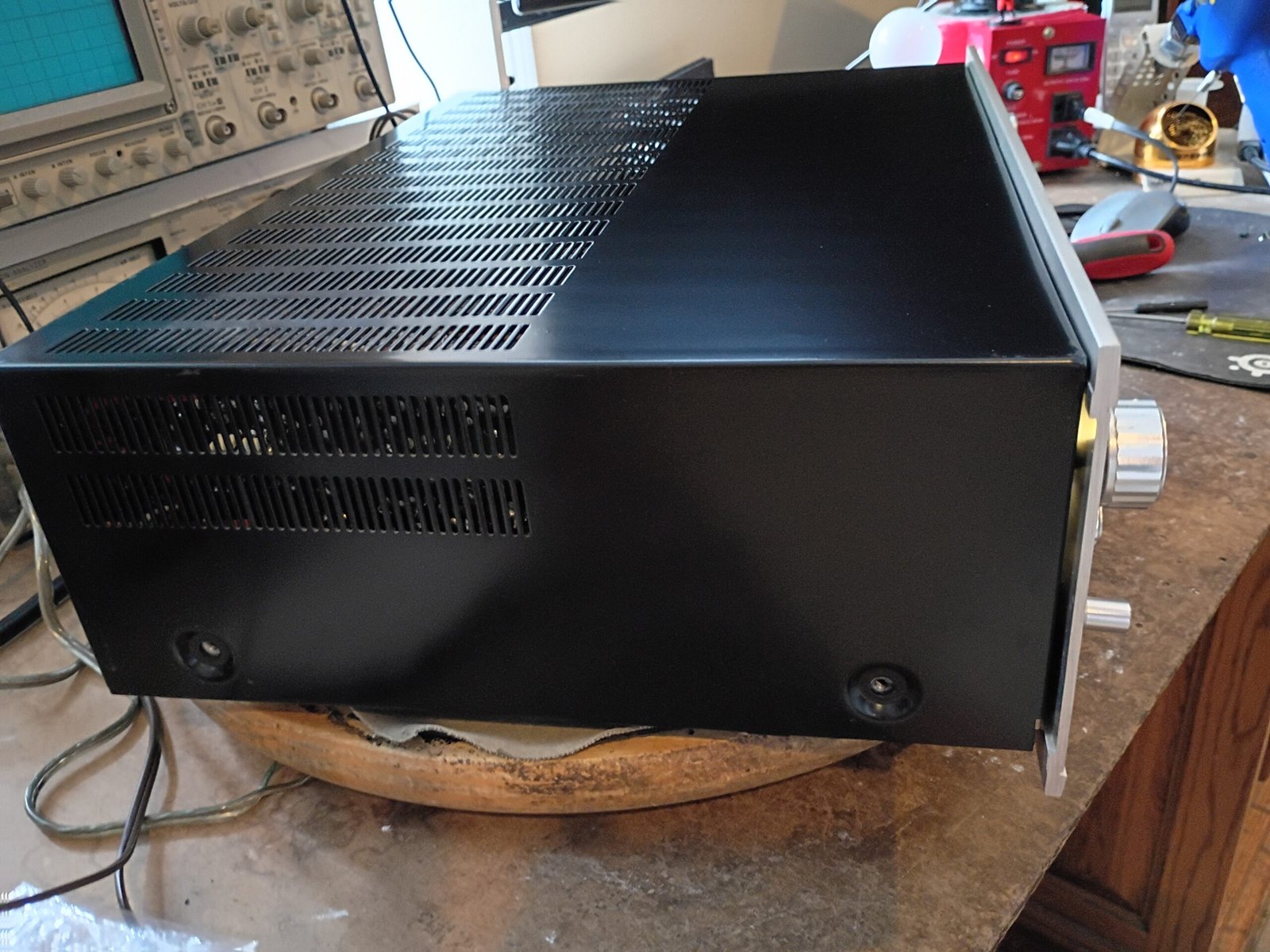
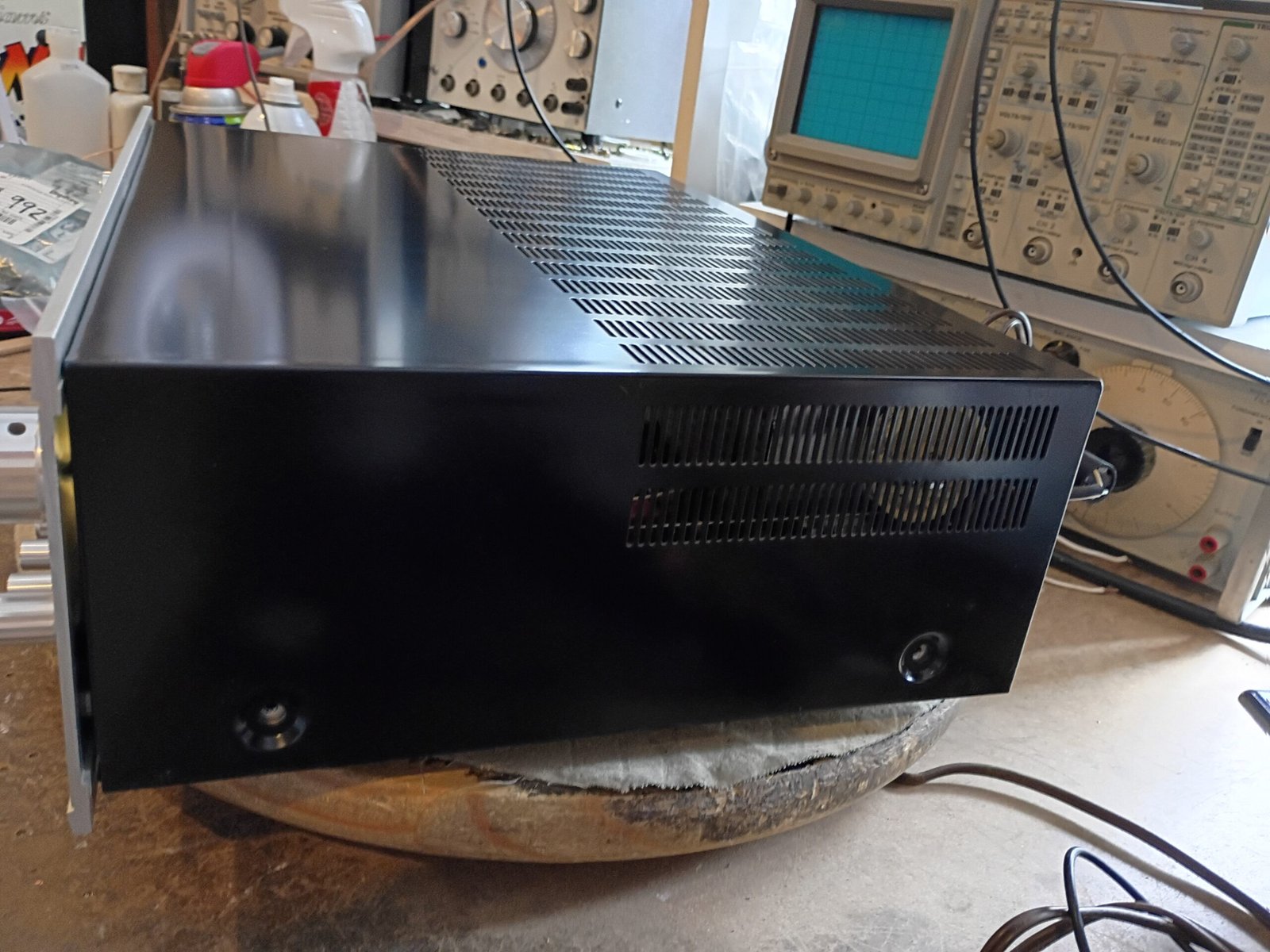
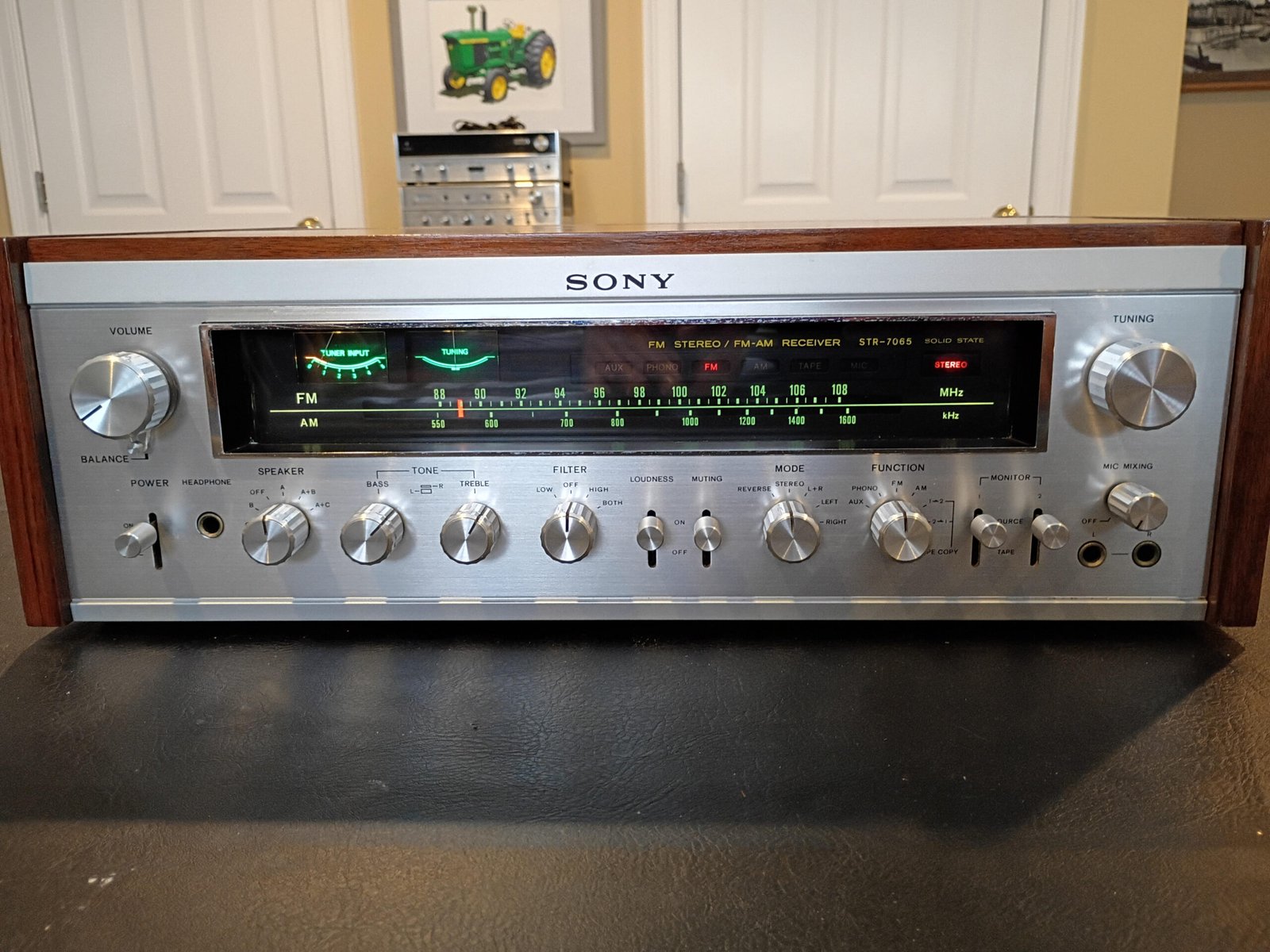
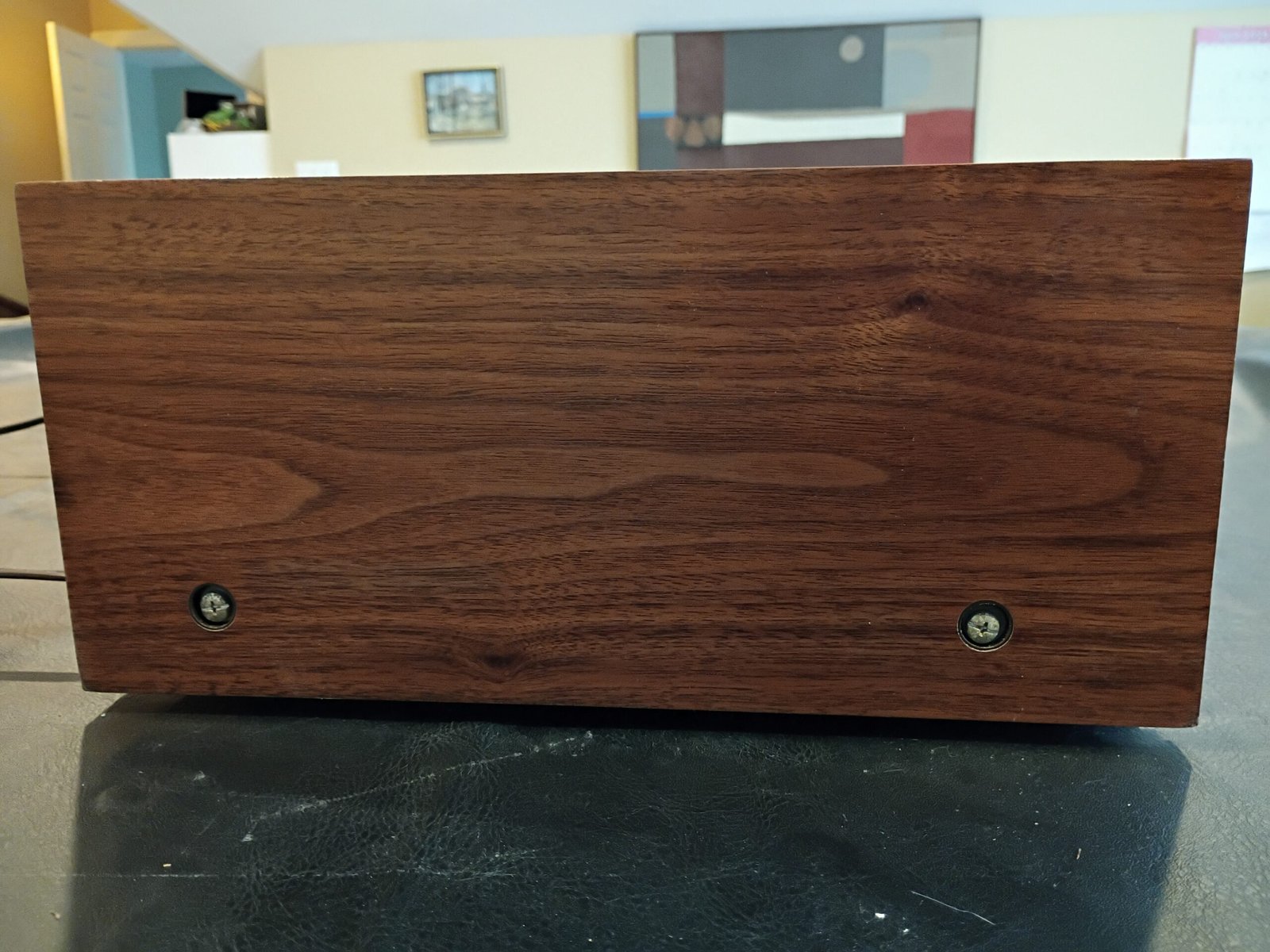
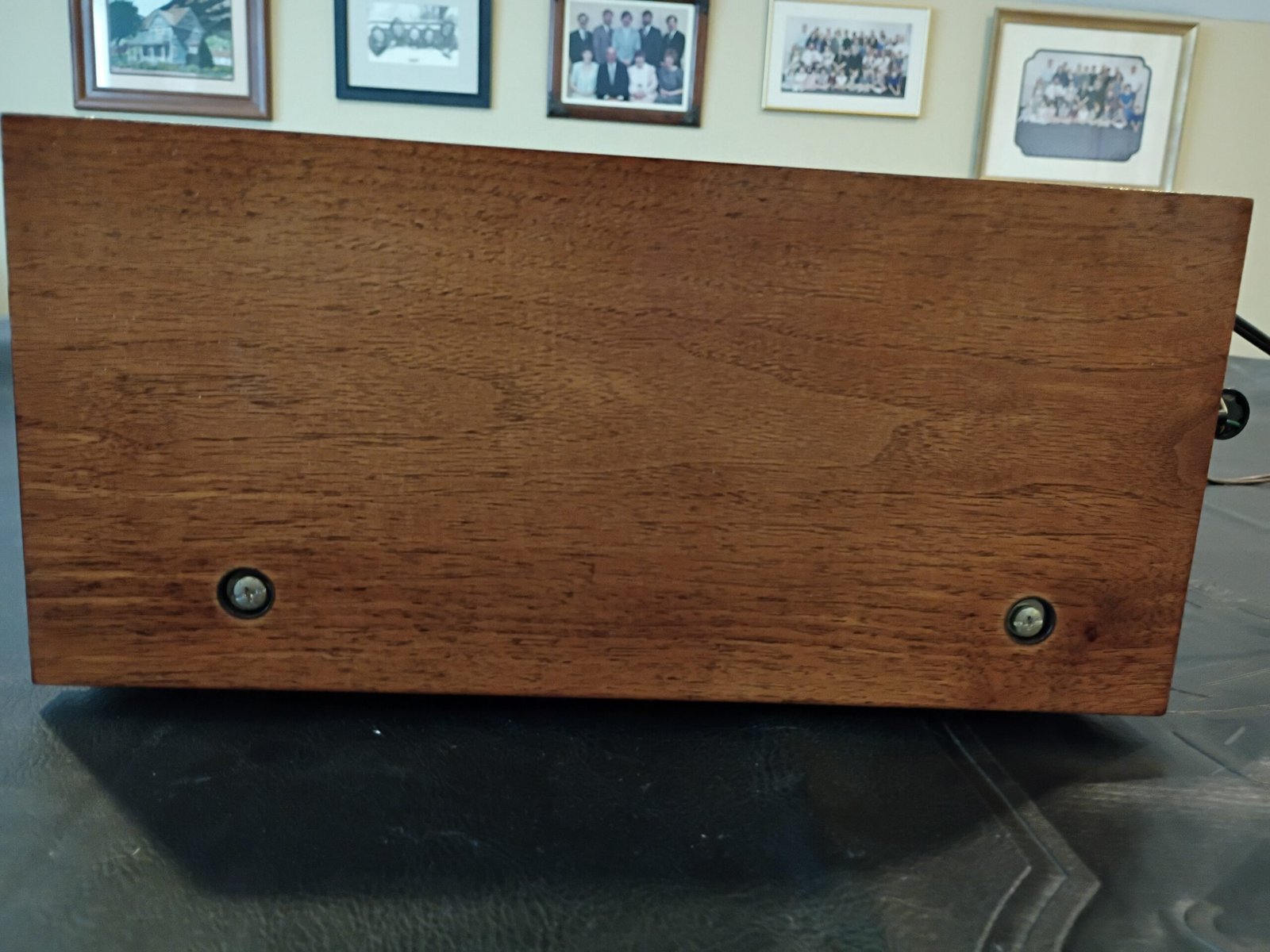
The wood cabinet finish was worn. I carefully sanded down to the original walnut veneer before applying fresh stain and sealant. This, plus the disassembly and cleaning of the faceplate, dial glass and knobs created a finished product with excellent cosmetics. The metal cabinet which is flawless – in large part due to being protected by the wood cabinet that fits over it.
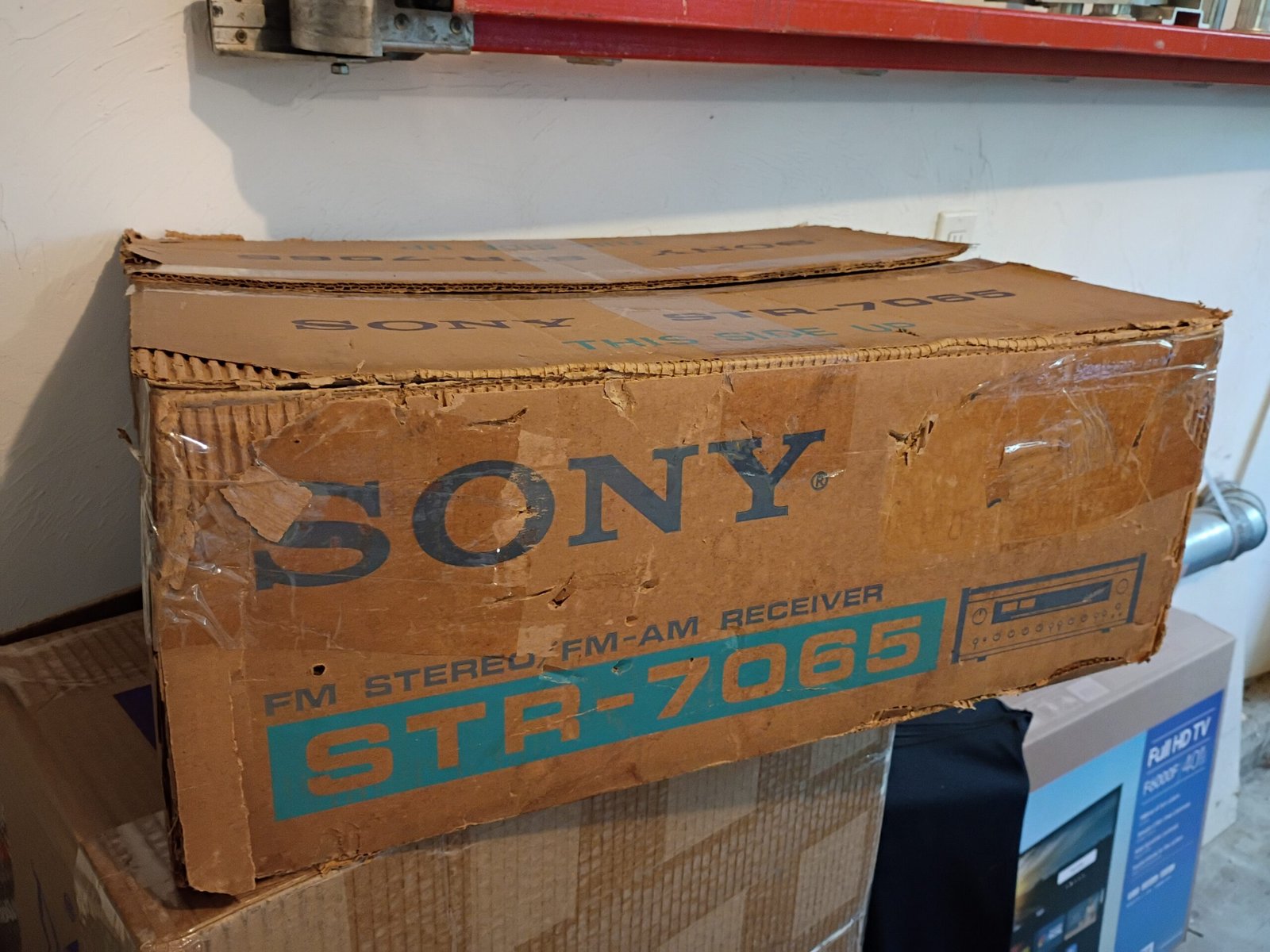
I also have the original box (see last photo). It is in rough shape (needs some tape to be usable), but the fact it was still with the receiver speaks on the unusual care taken by owners over the decades, IMHO.