Beyond the list of standard restoration steps detailed on the main page, here are some added notes for this unit :
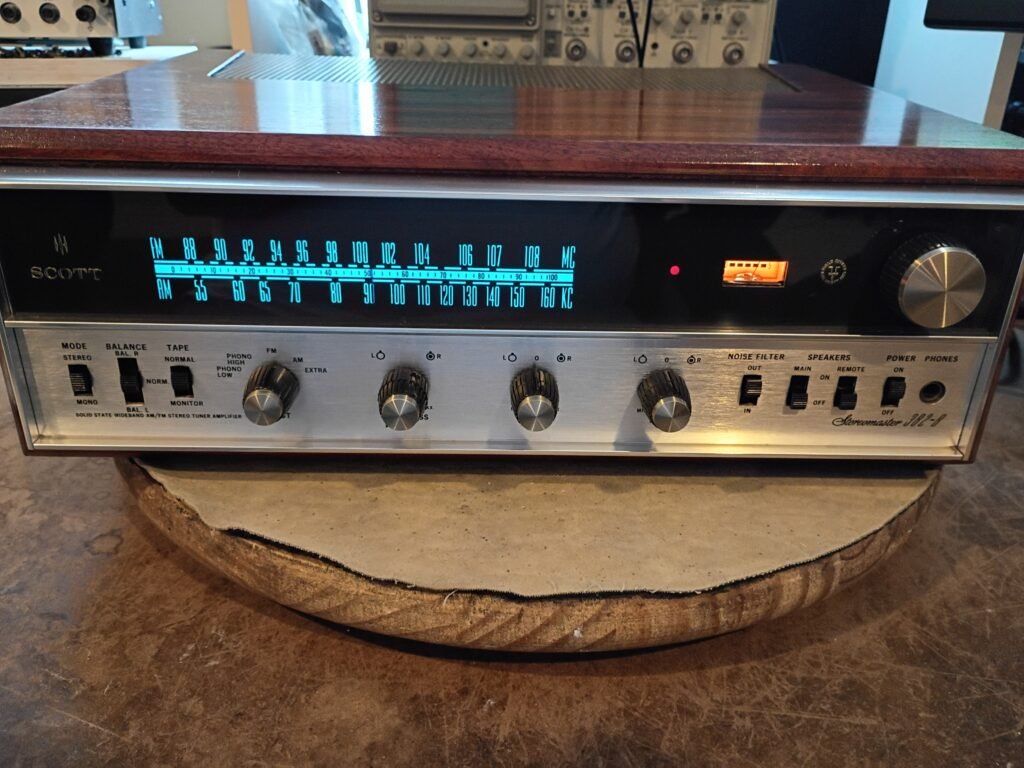
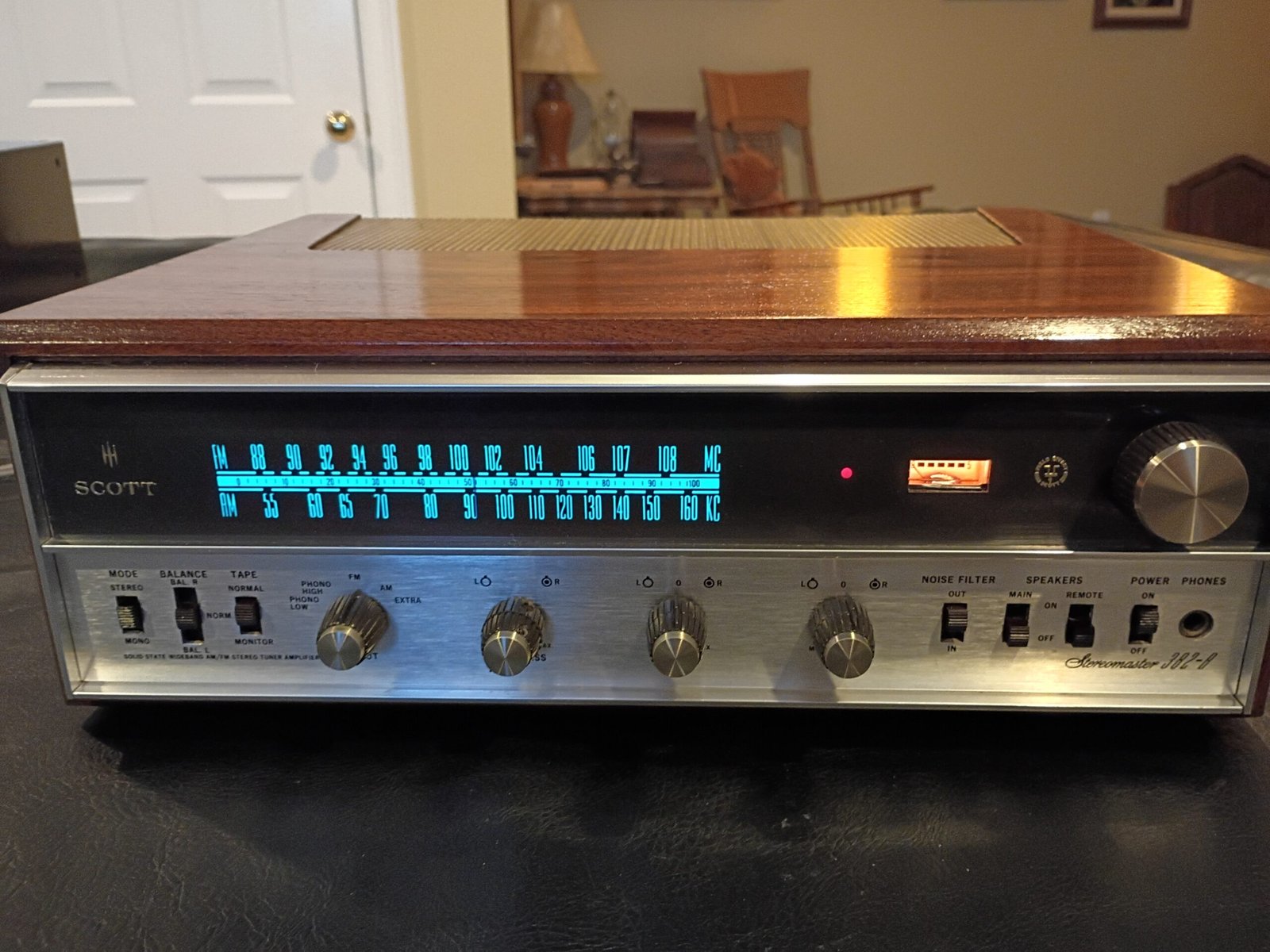
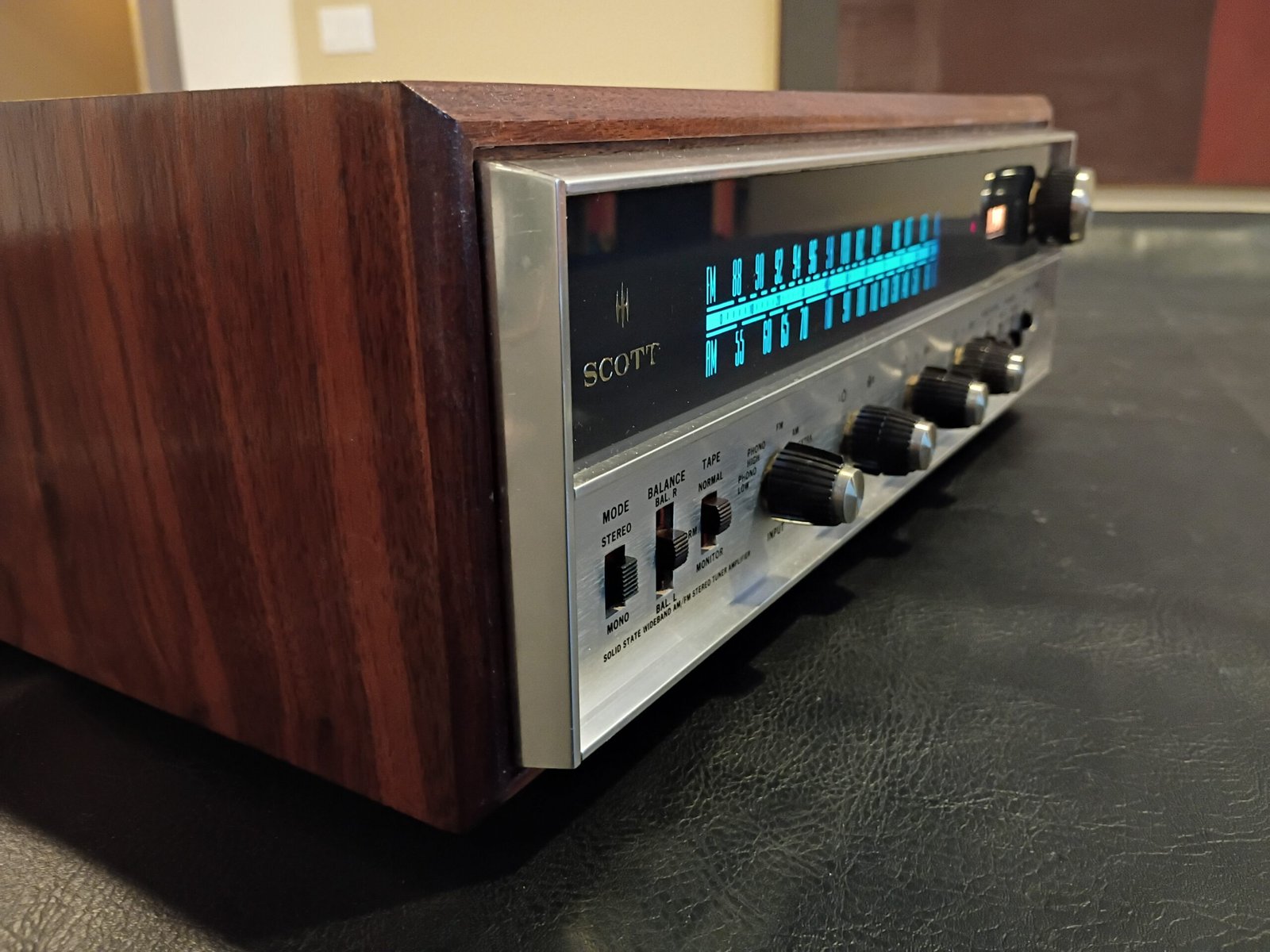
I purchased this receiver from Goodwill, so no background on any issues, etc. Exterior condition was very good and came with correct Scott wood cabinet.
The Scott 382b was was designed and manufactured in Maynard, MA hitting the market in 1967. It combines a nice sounding cap-coupled amplifier with a superior FM stereo tuner.
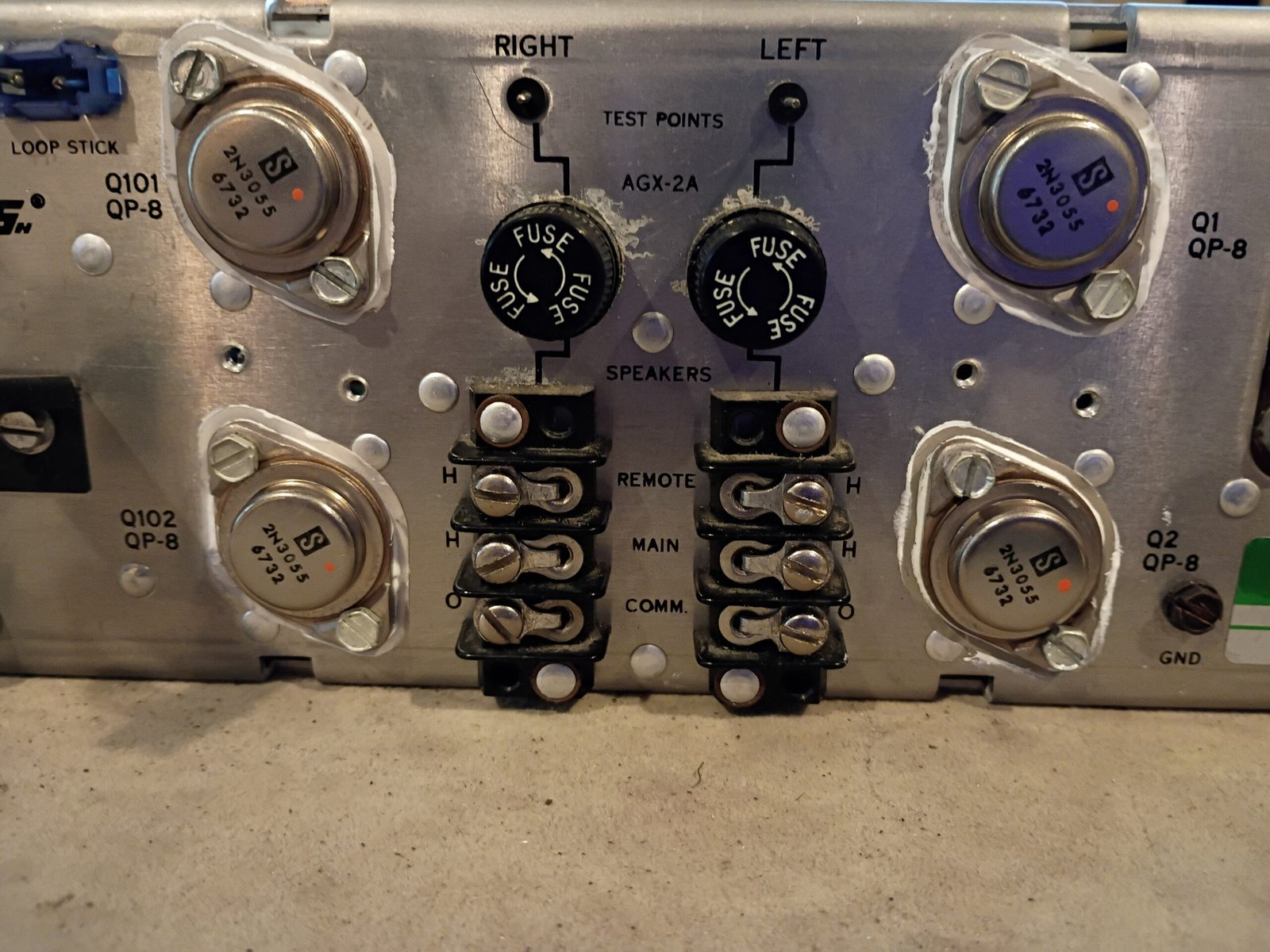
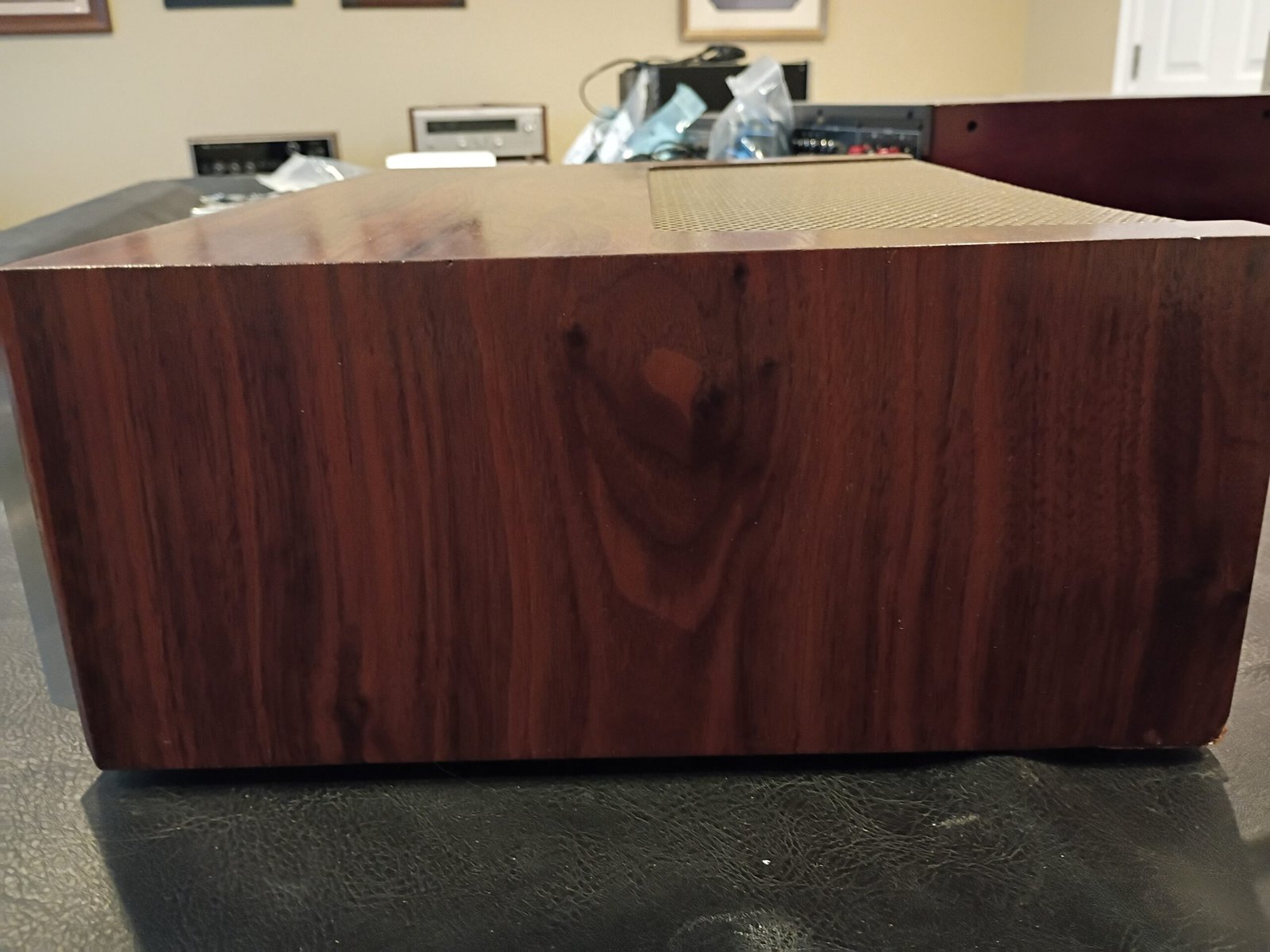
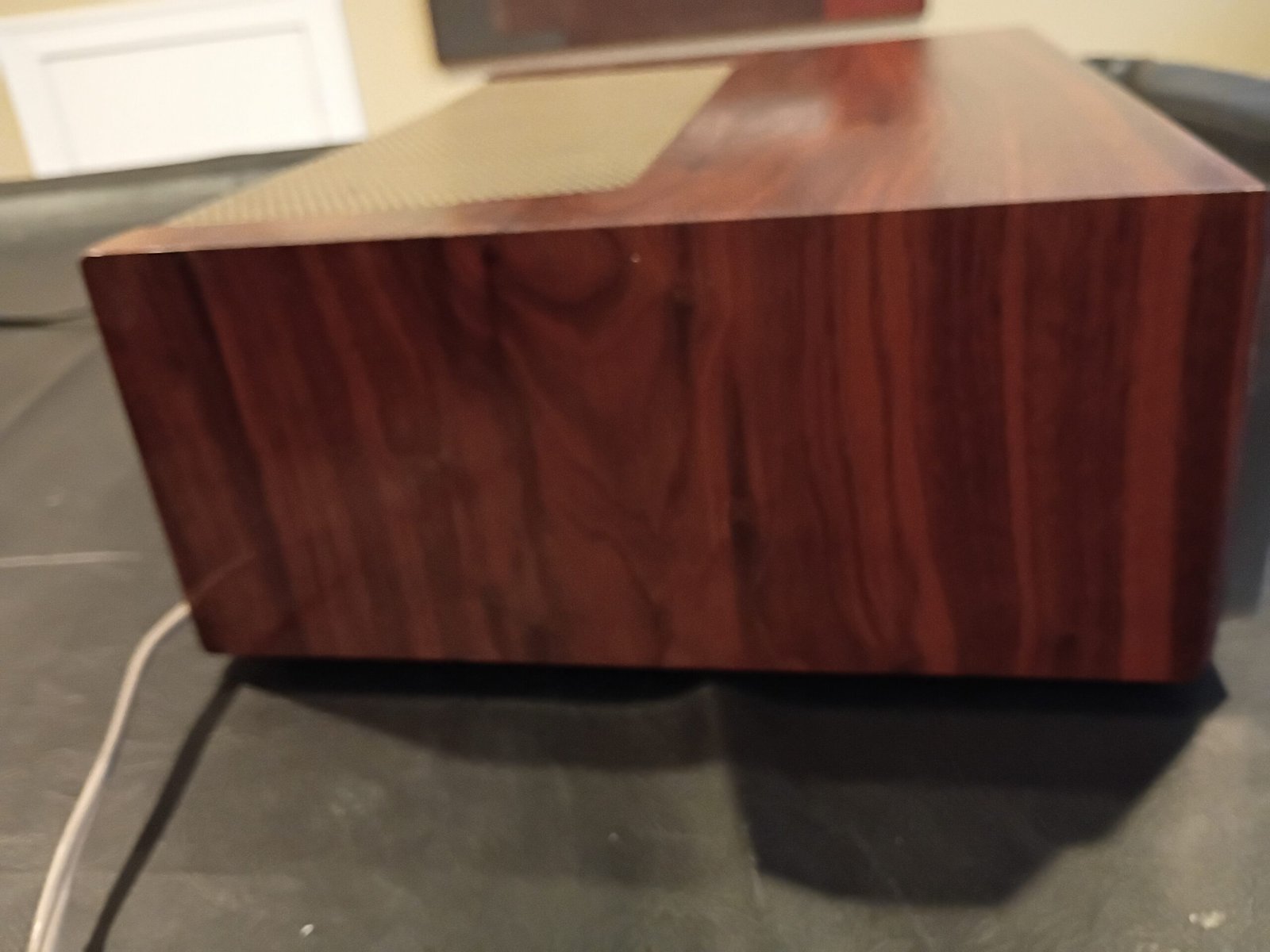
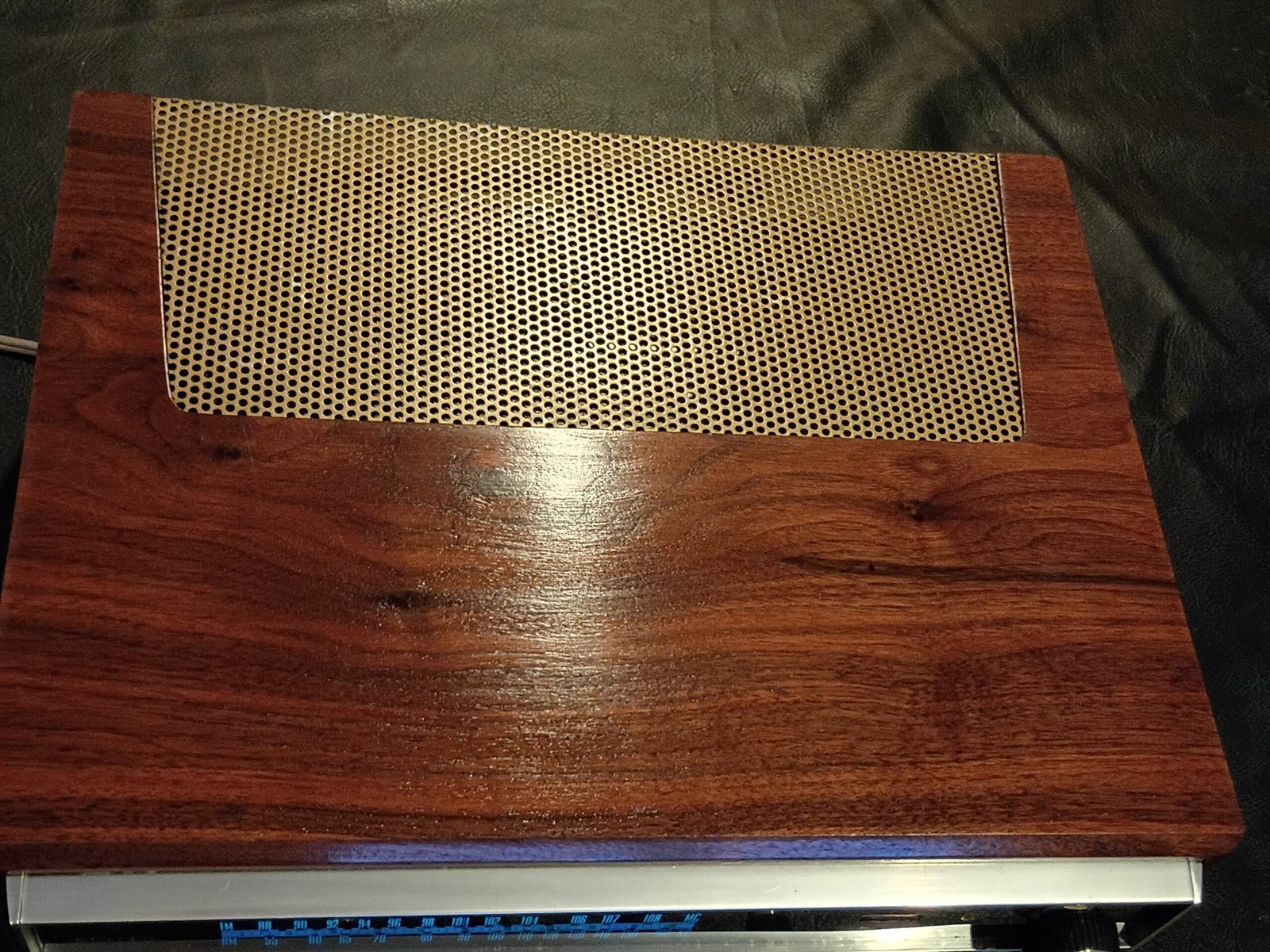
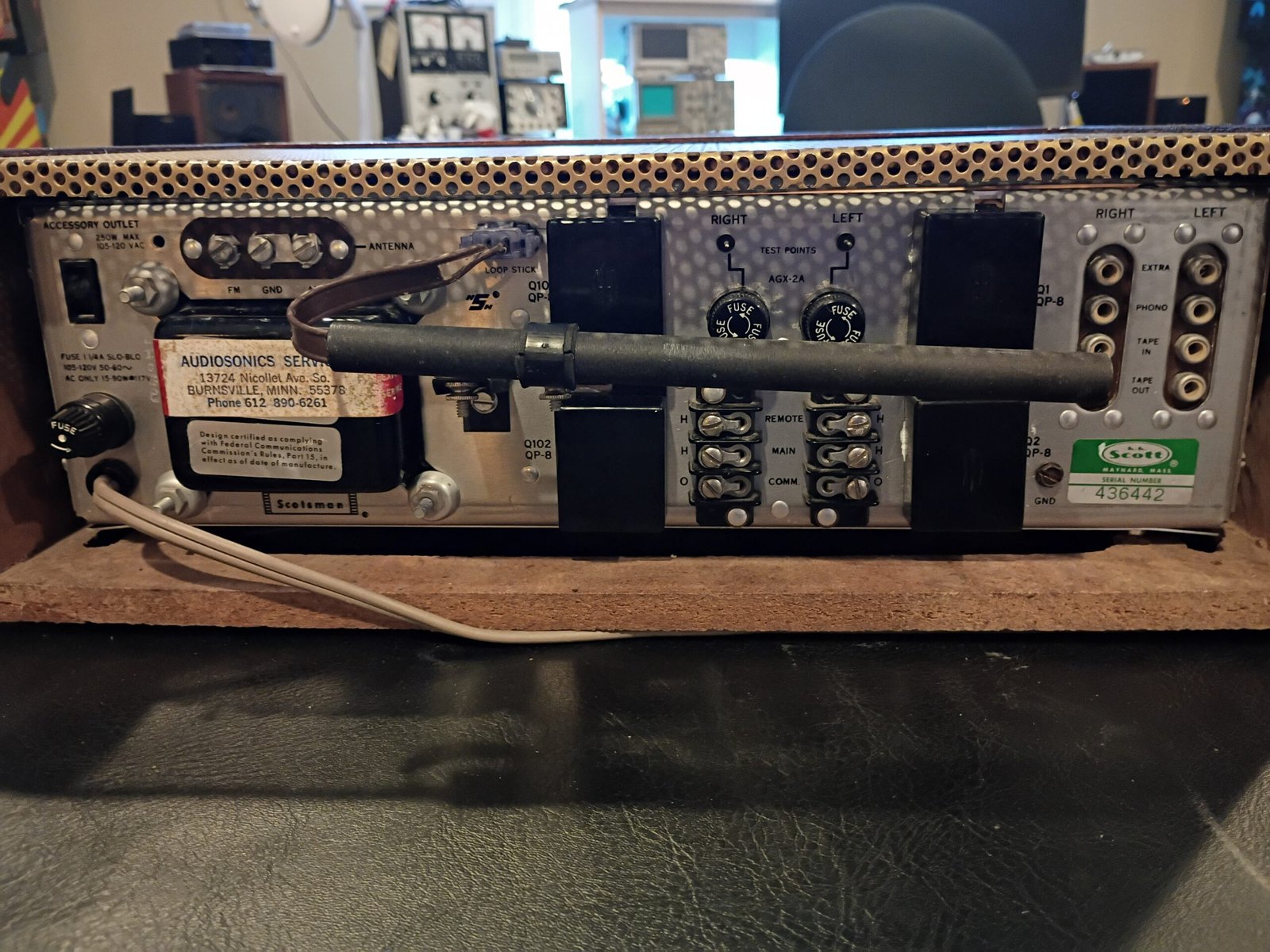
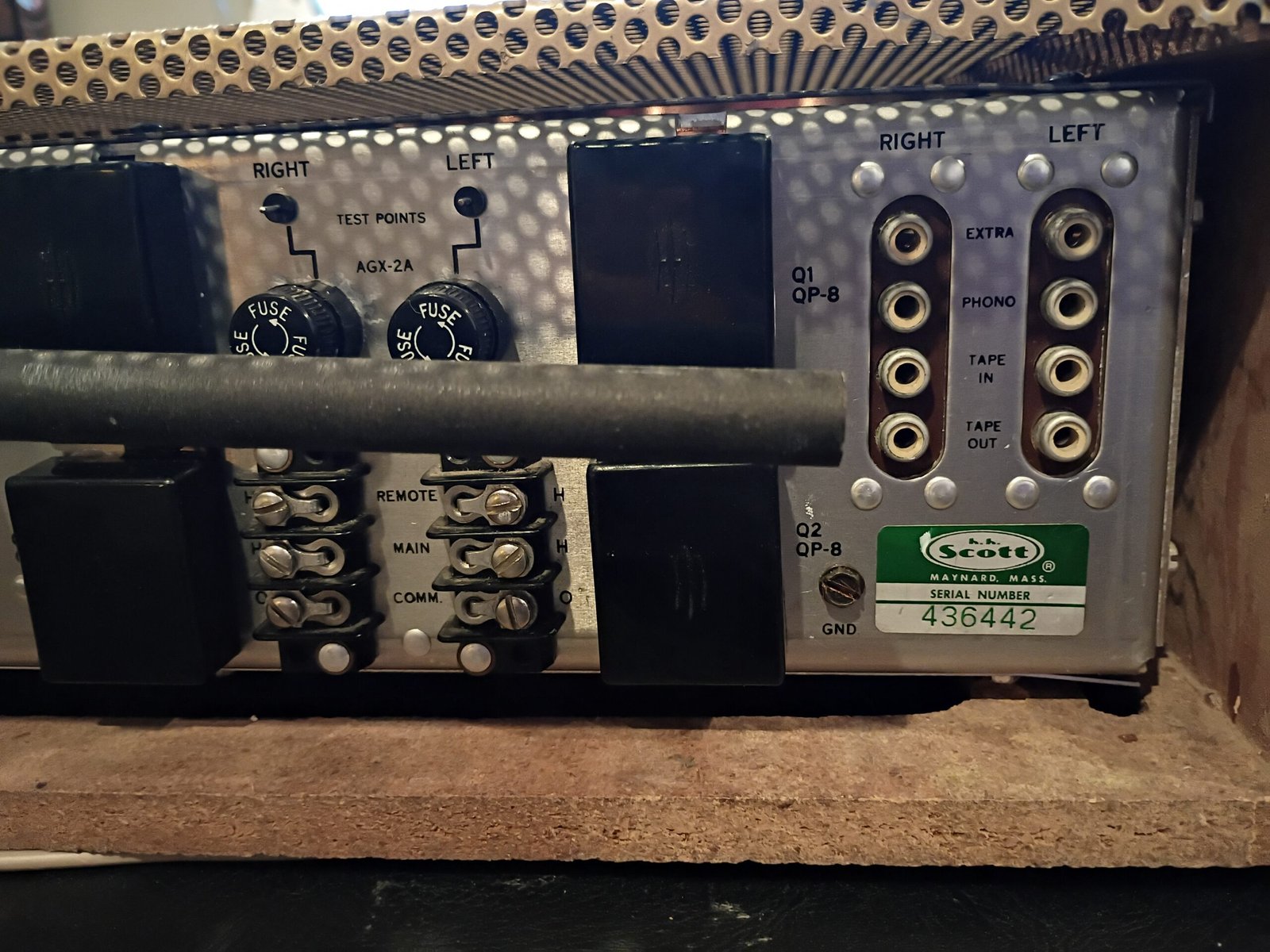
Initial inspection revealed an incorrect fuse. Scott used the unusual AGX-2 fuses for protecting the left and right channel outputs. These are shorter than the standard AGC fuses and someone had used tin foil to jury-rig an 3rd fuse type. I installed a new ACX2 2A fuse. The finish on the wood case was pretty rough and the base was cracked in the back. I used wood glue and clamps to stabilize the base. I then carefully sanded down to the walnut veneer surface before applying new stain and sealer.
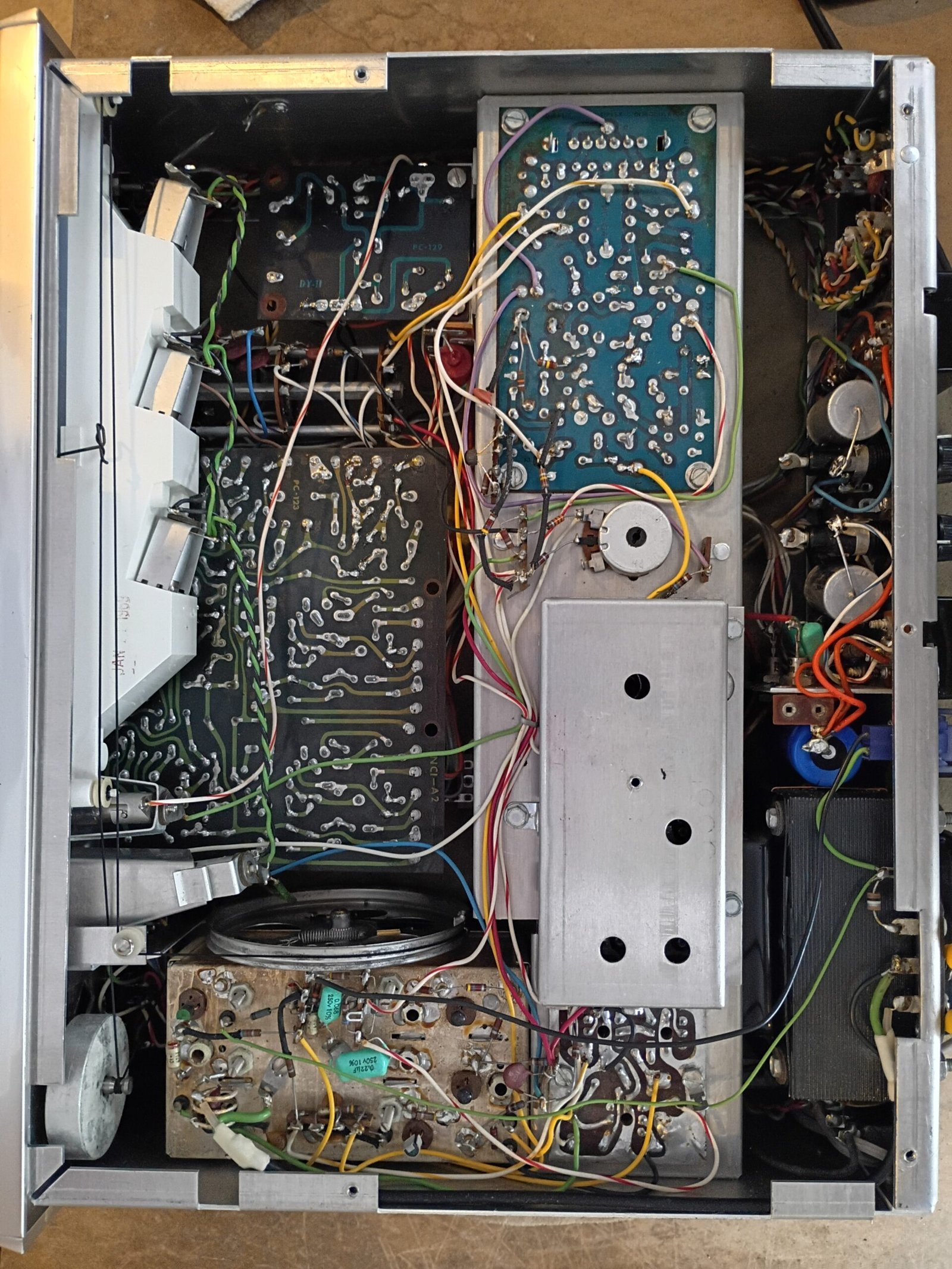
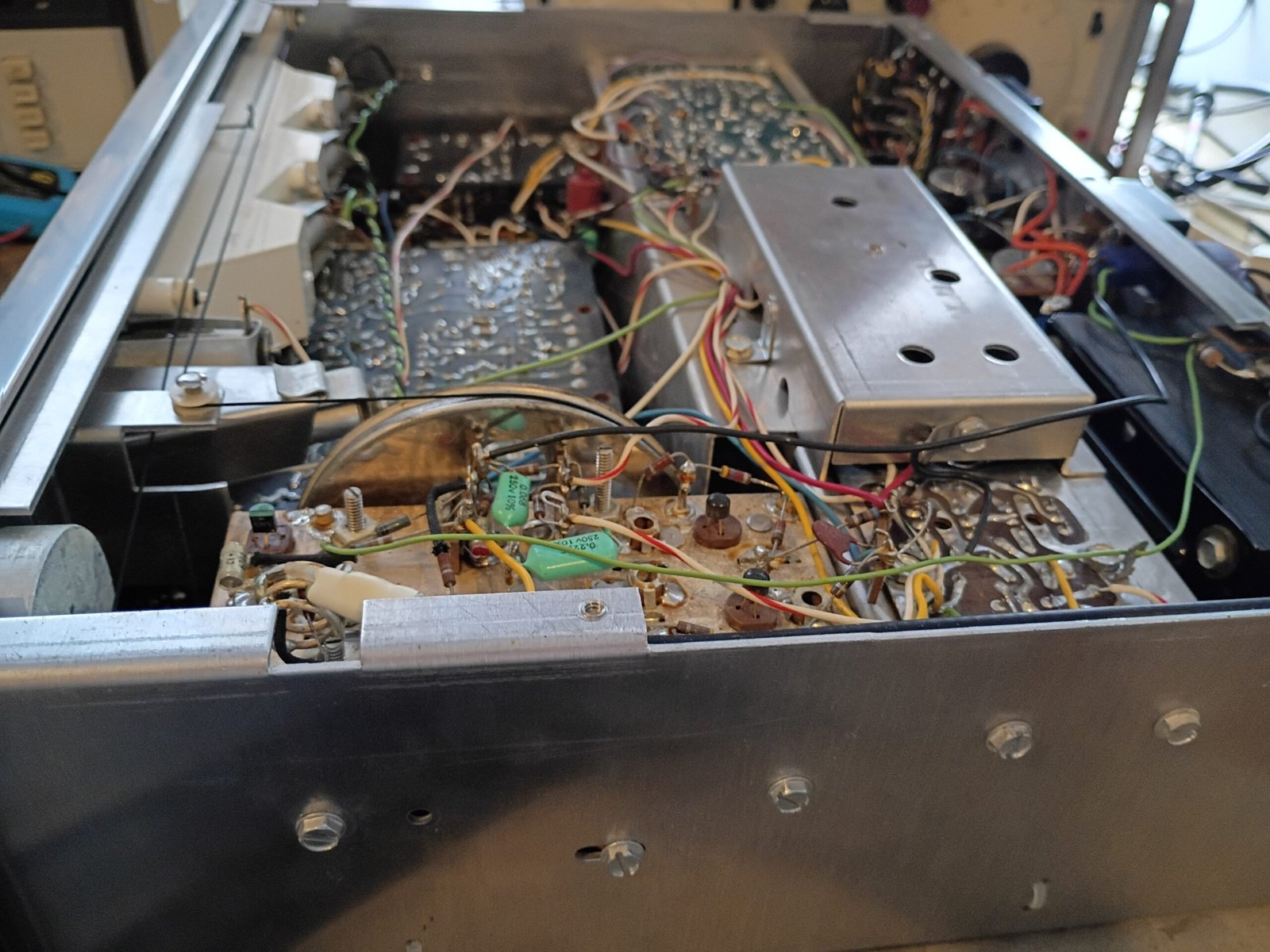
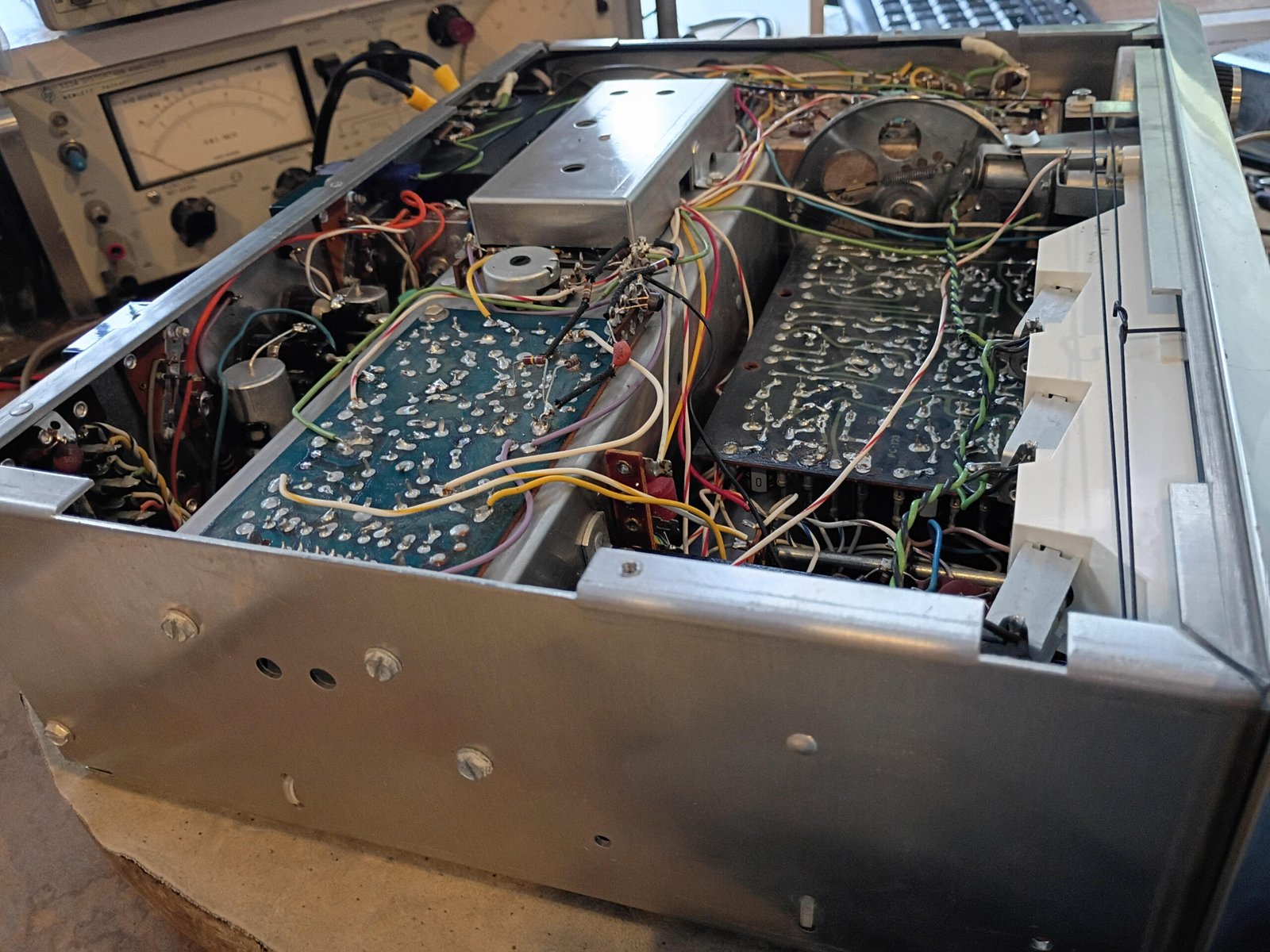
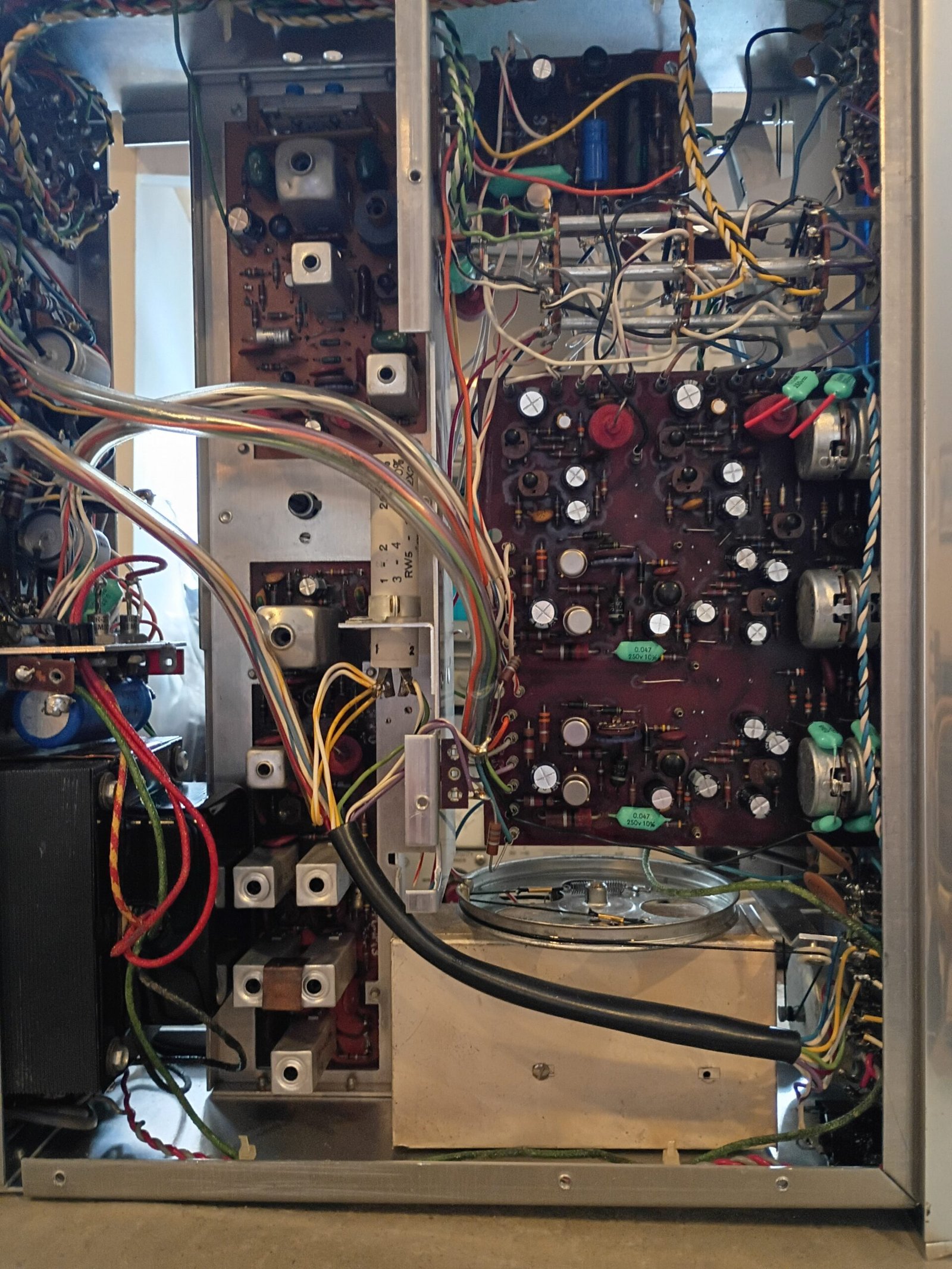
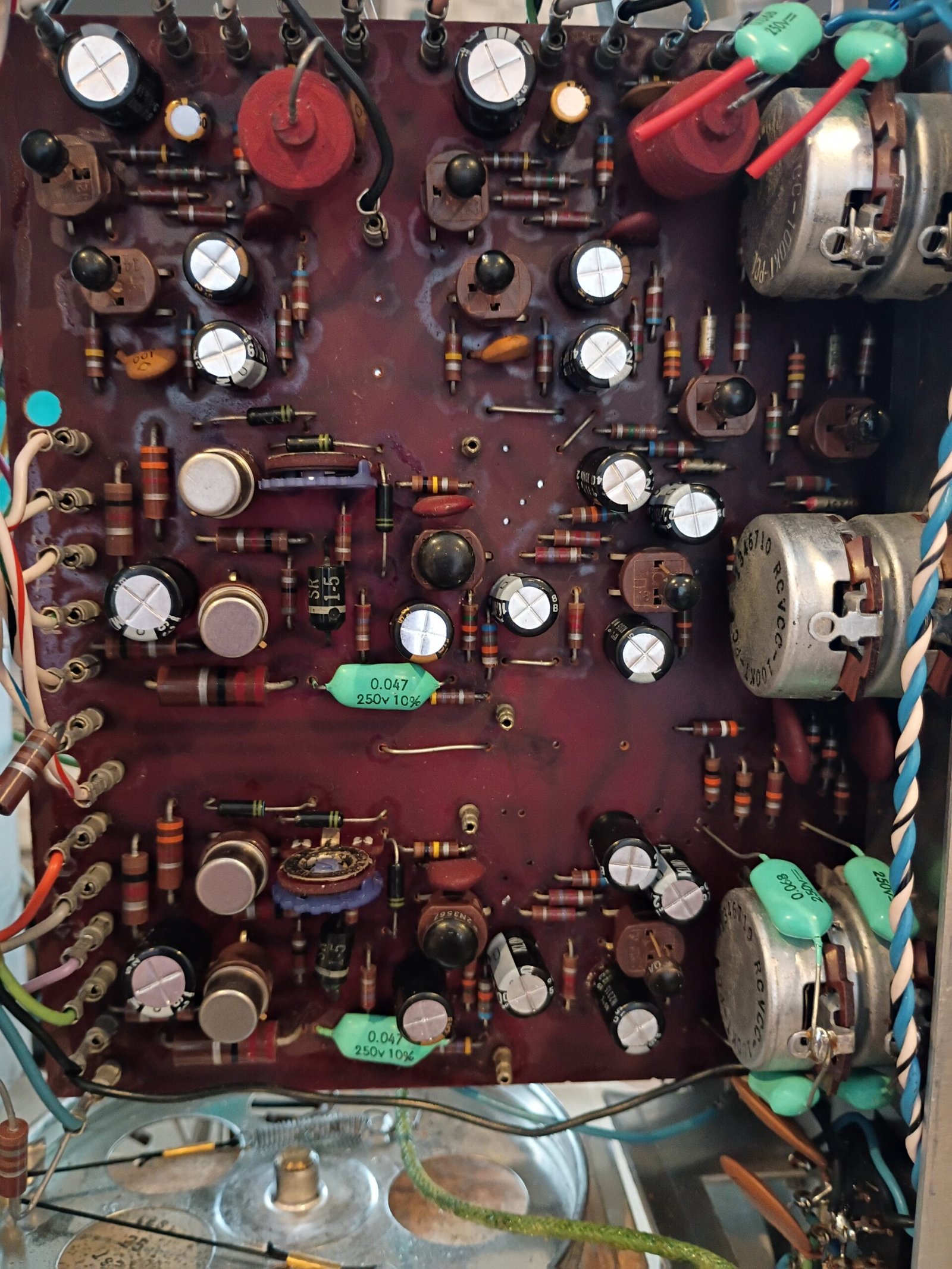
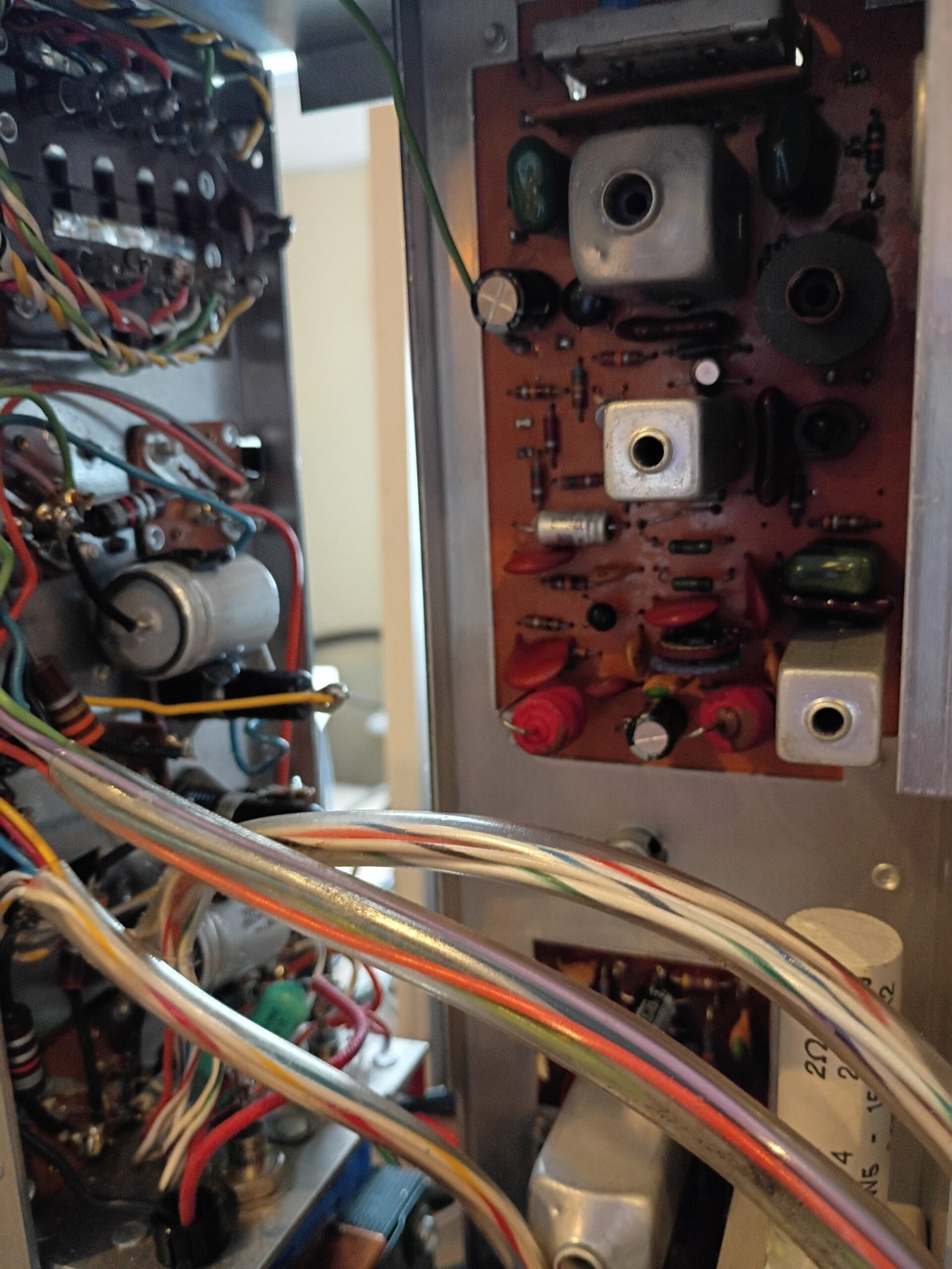
On powering up the unit, I noted rather high ripple on the 50V amplifier supply. Initial functional testing showed the FM section working fine, but the preamp/amp outputs were totally dead. I saw several Tennessee Electronics electrolytic caps and, based on my recent experience on the Scott LK60, immediately suspected these were the culprits. Sure enough, a full recap brought the amplifier back to life and the main supply ripple was also much lower.
Aside : Given the initial inoperability of the LK60 and 382B due to massive cap failures, I have to wonder how any Scott amplifier from the late 60s functions if these original Tennessee caps are still installed. Buyer beware!
The capacitance in the main amplifier supply and left/right output paths were increased ~70% to improve low-end bass performance.
All the lamps were out, so they were replaced with new bulbs exactly matching the originals (same part numbers still being manufactured).
This receiver does not have a switch for “loudness” (bass/treble boost). Scott decided to hard-wire loudness mode which makes the sound a bit boomy. Per a tip on AudioKarma, 2 caps were disconnected to disable loudness boosting and the boomy sound was eliminated. Note that the bass and treble controls can set to replicate this boost if a user desires it.
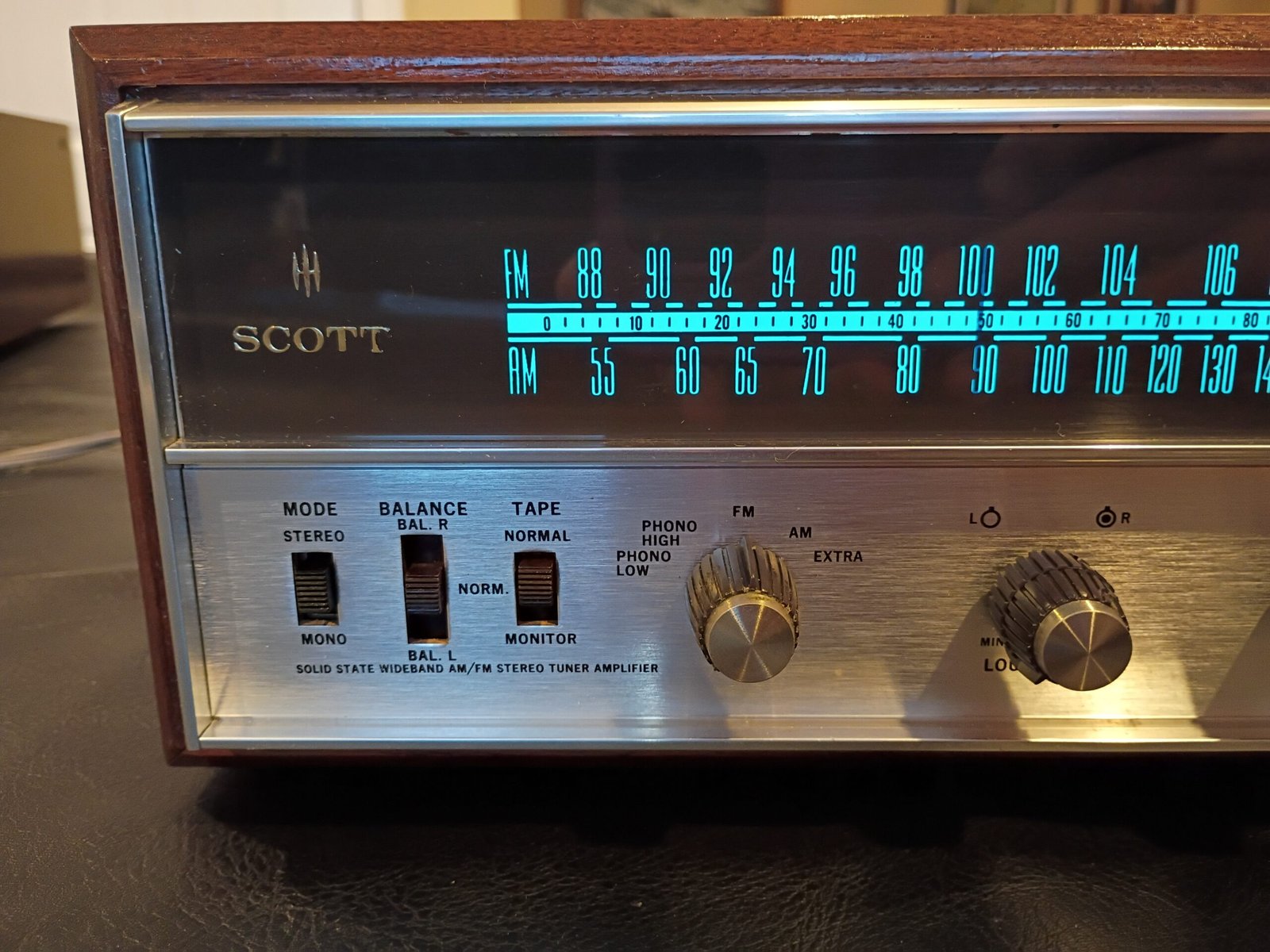
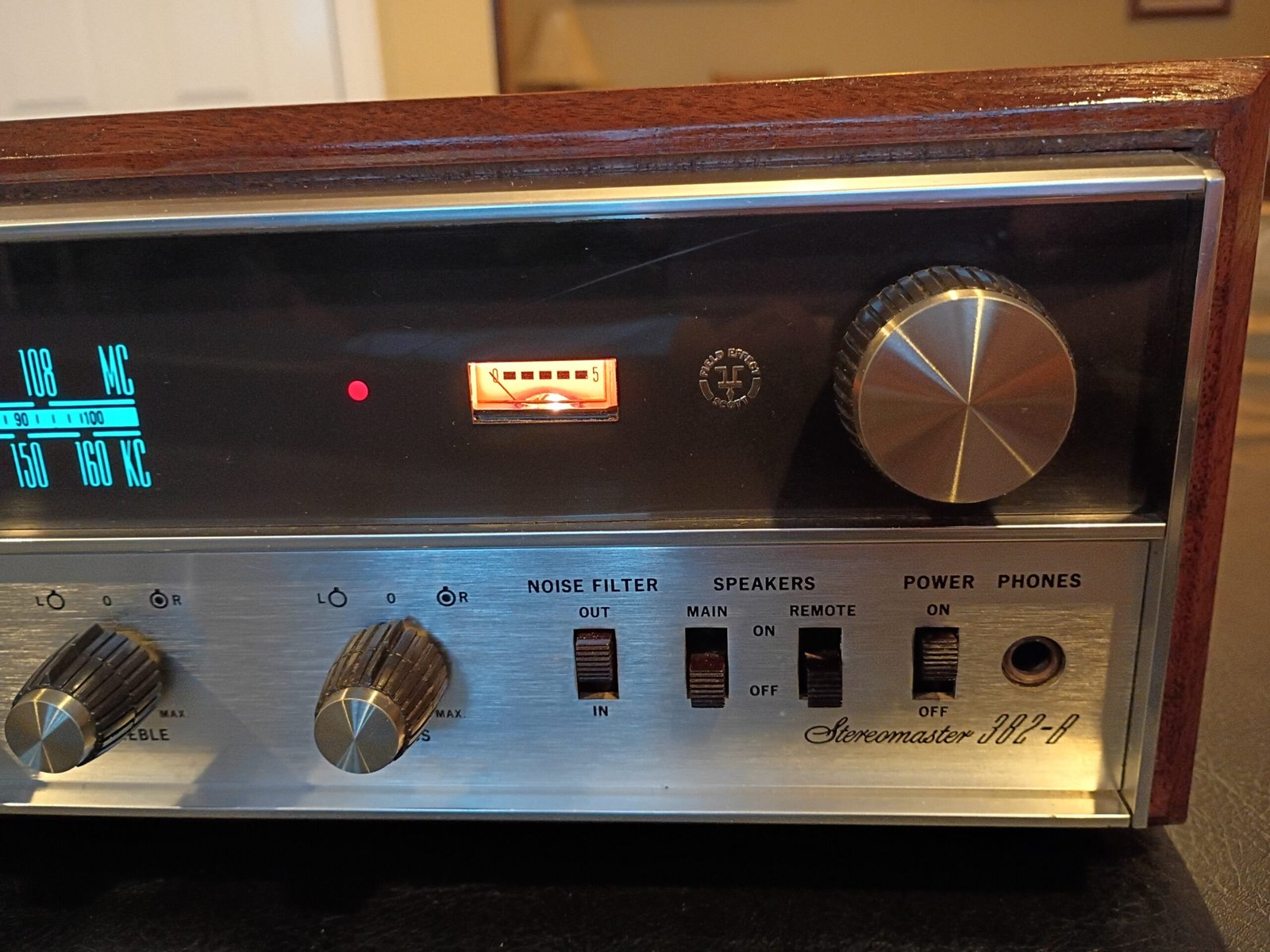
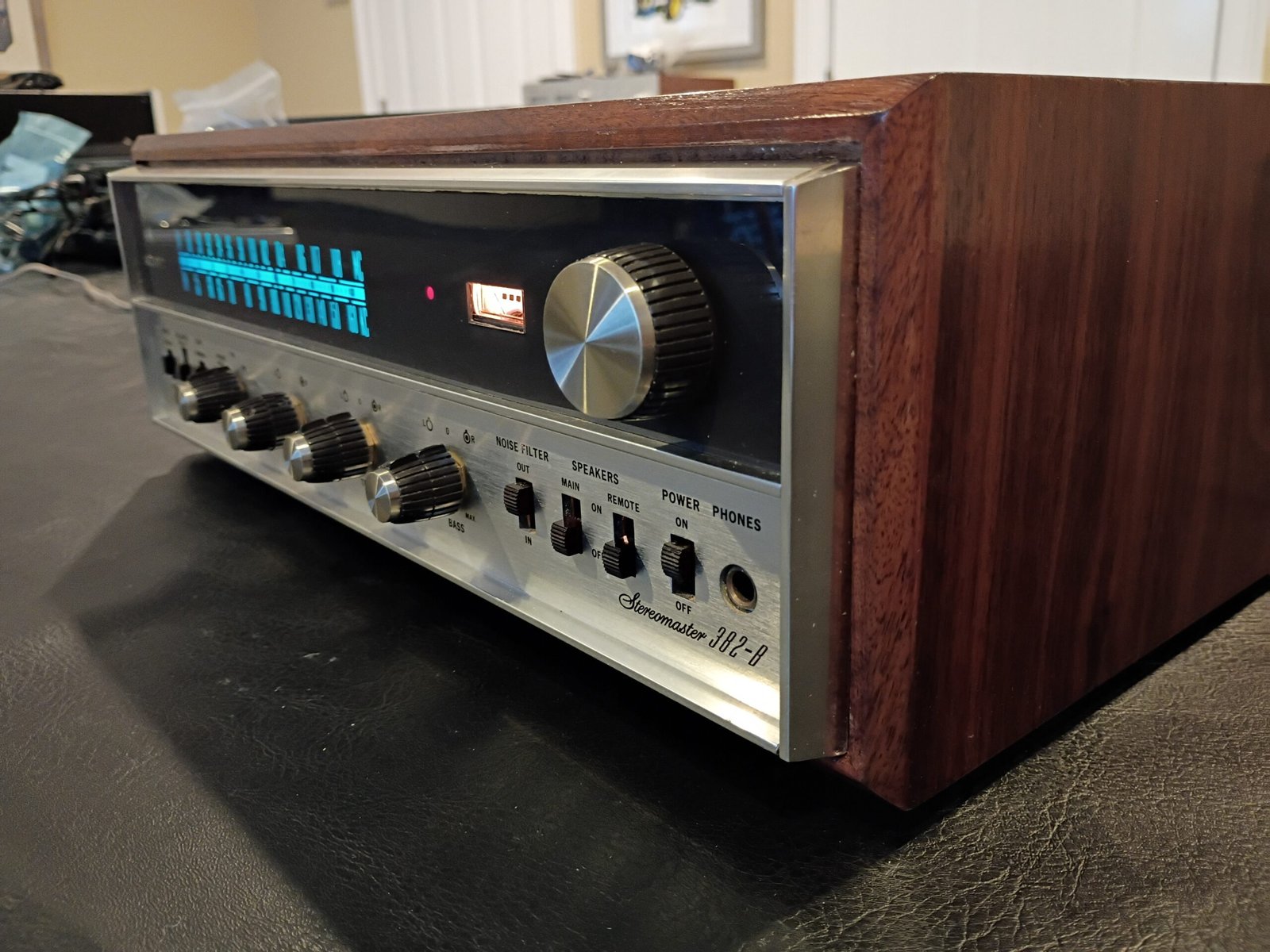
After refinishing the wood cabinet, I would rate the overall cosmetics as excellent. The faceplate and knobs are in great shape as is all the lettering.