Beyond the list of standard restoration steps detailed on the main page, here are some added notes for this unit :
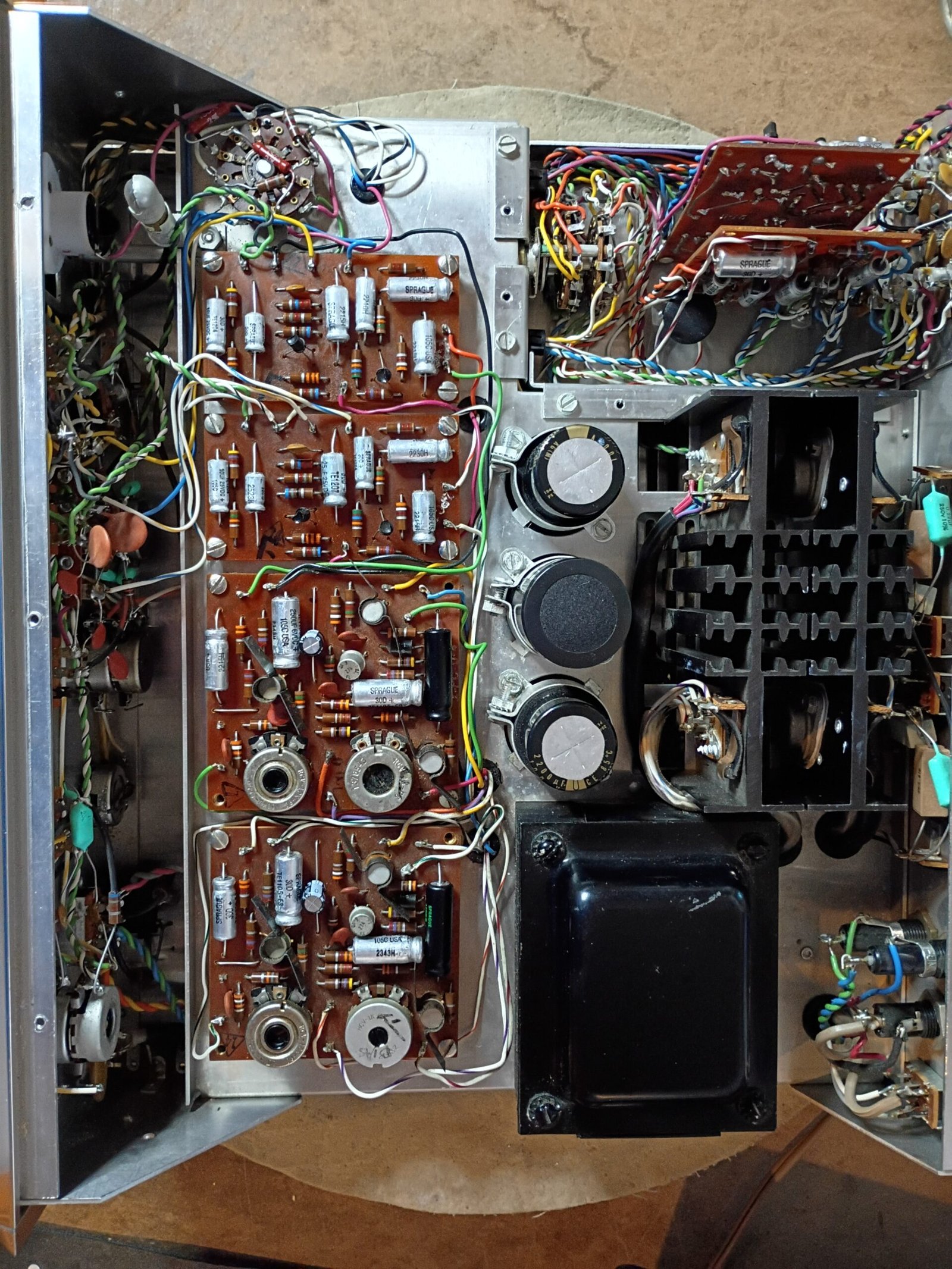
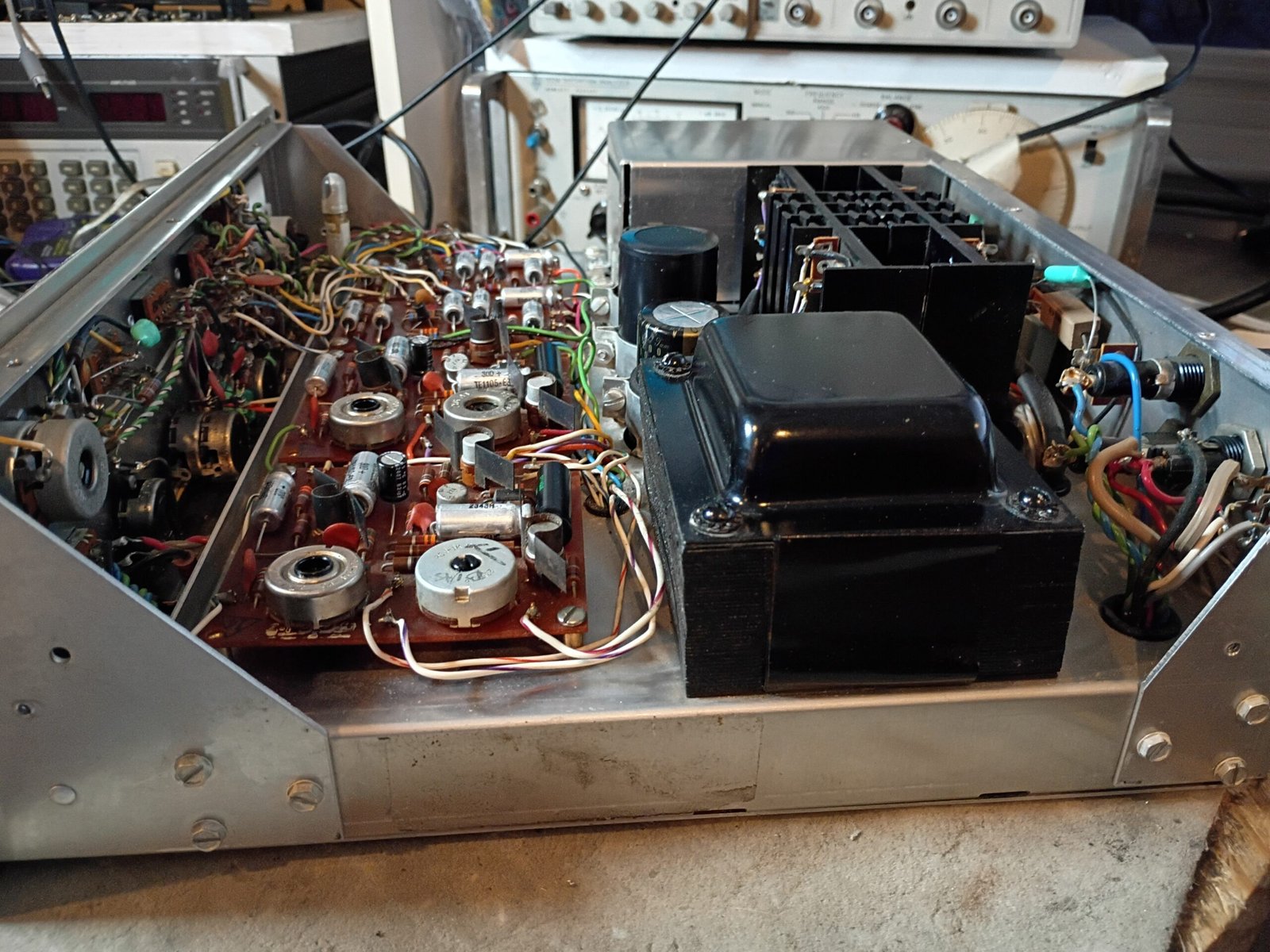
LK60
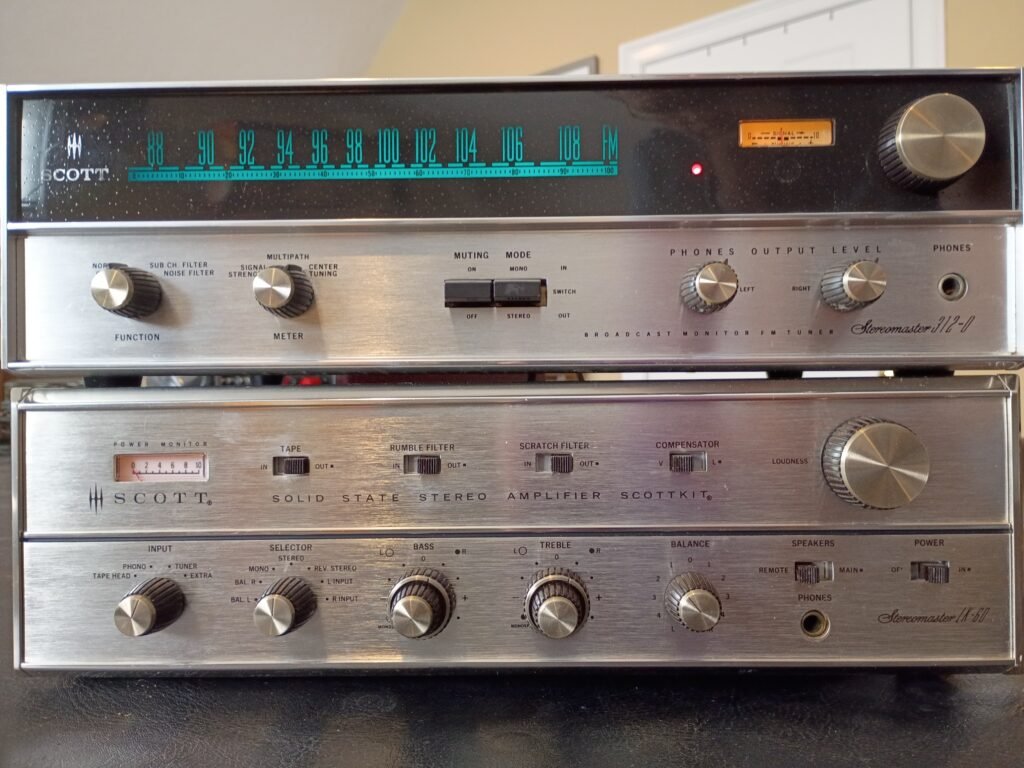
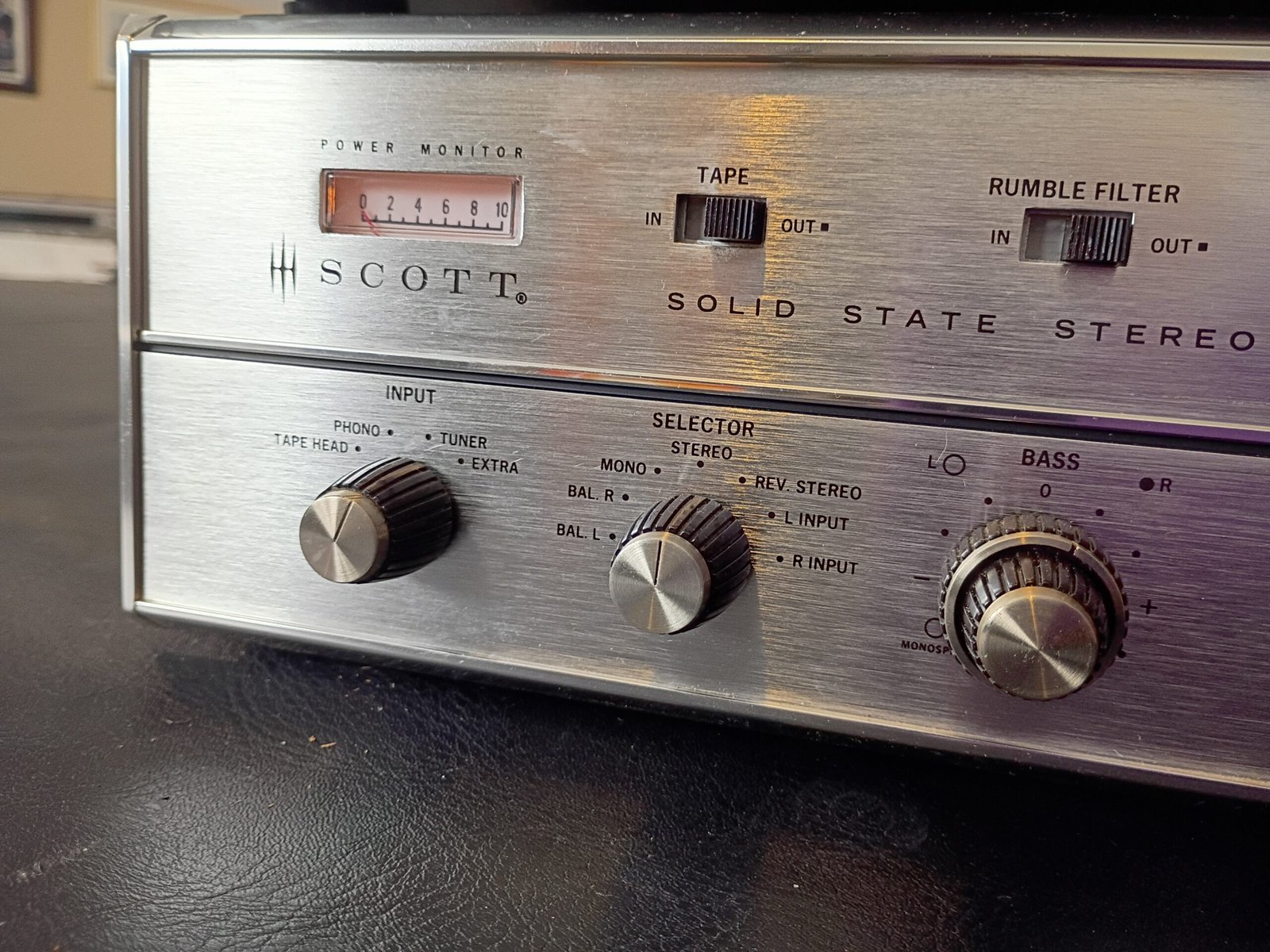
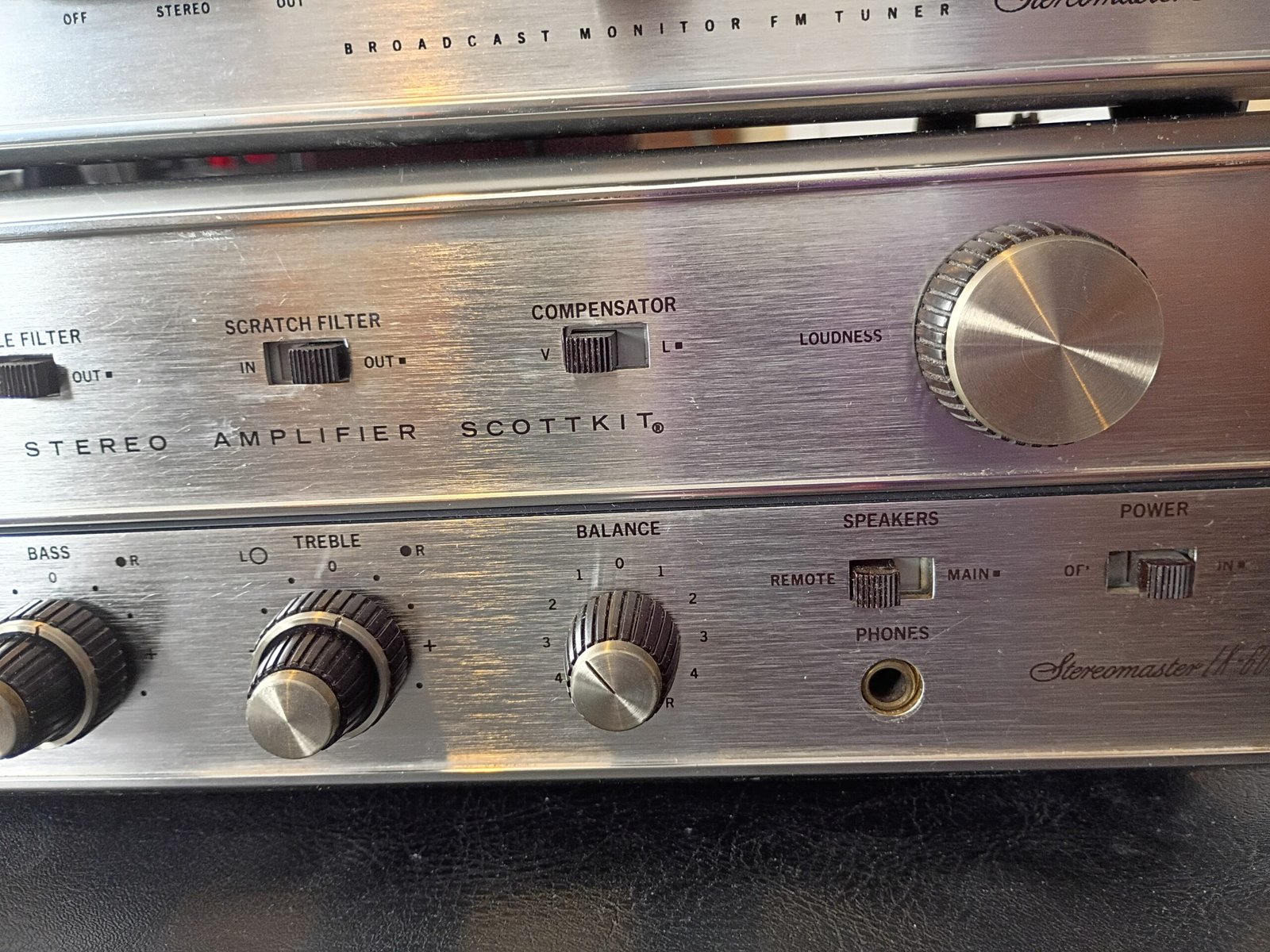
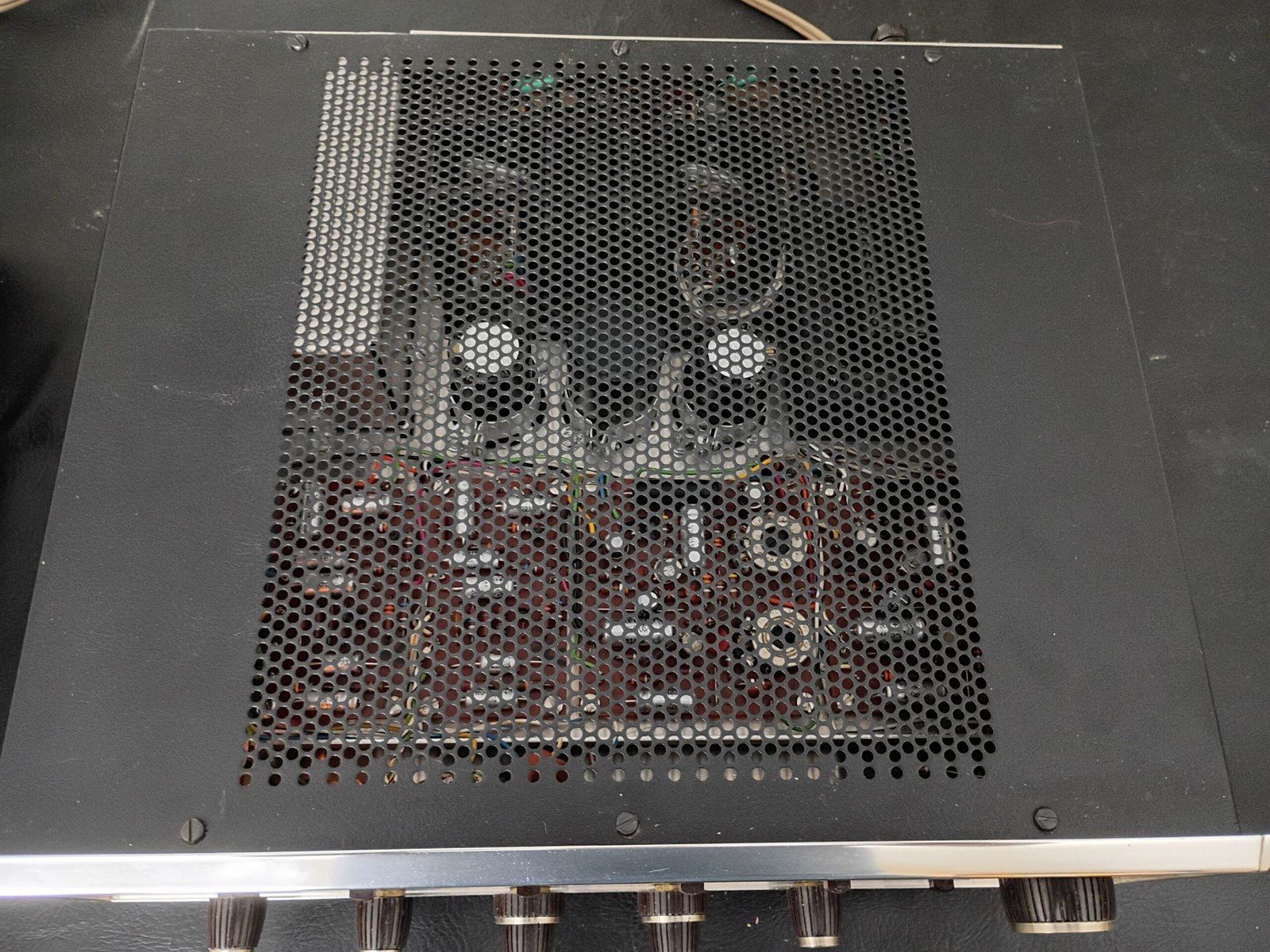
I bought the LK60 integrated amplifier from Goodwill, so no background on any issues, etc. Exterior condition was very good.
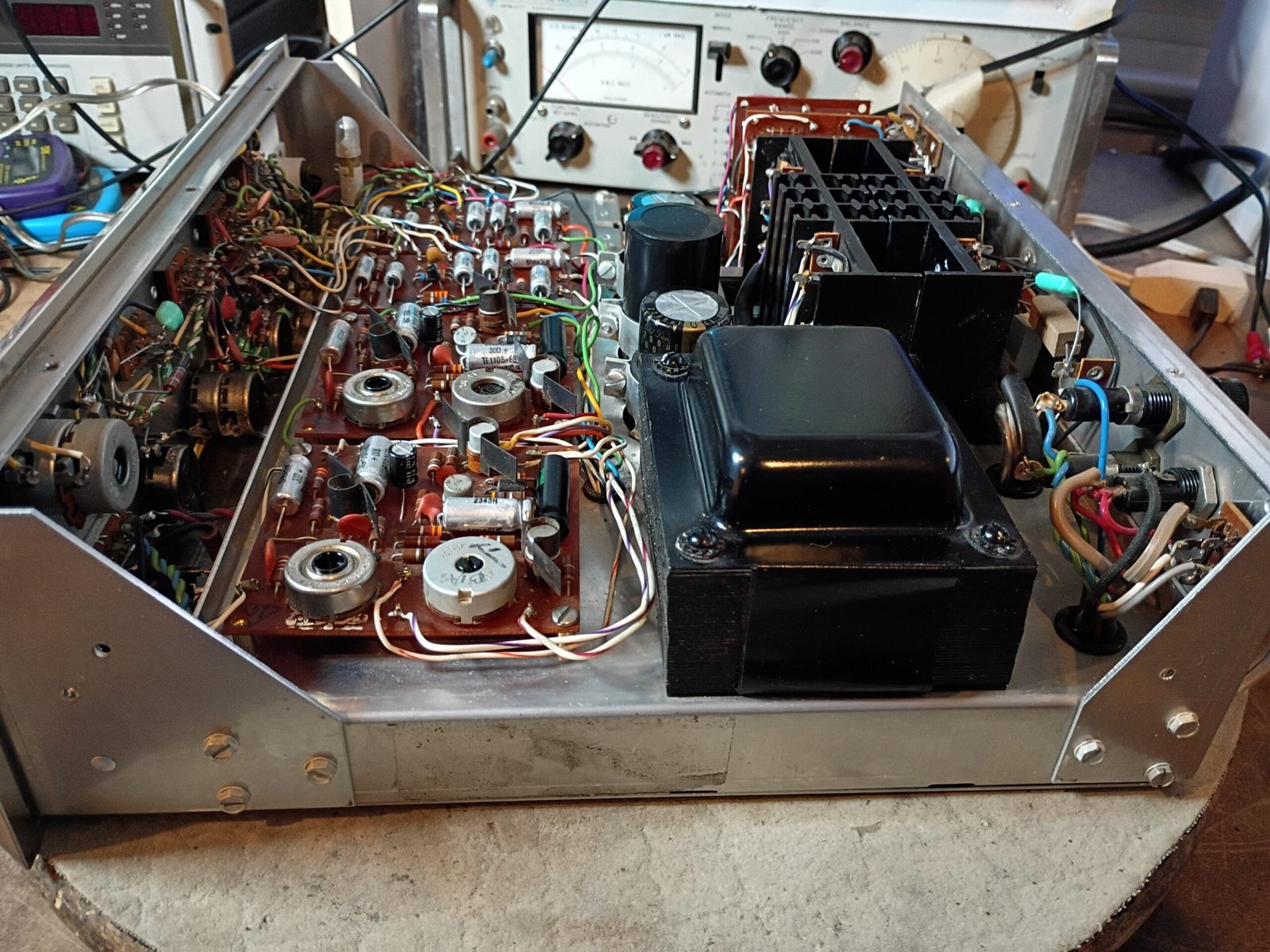
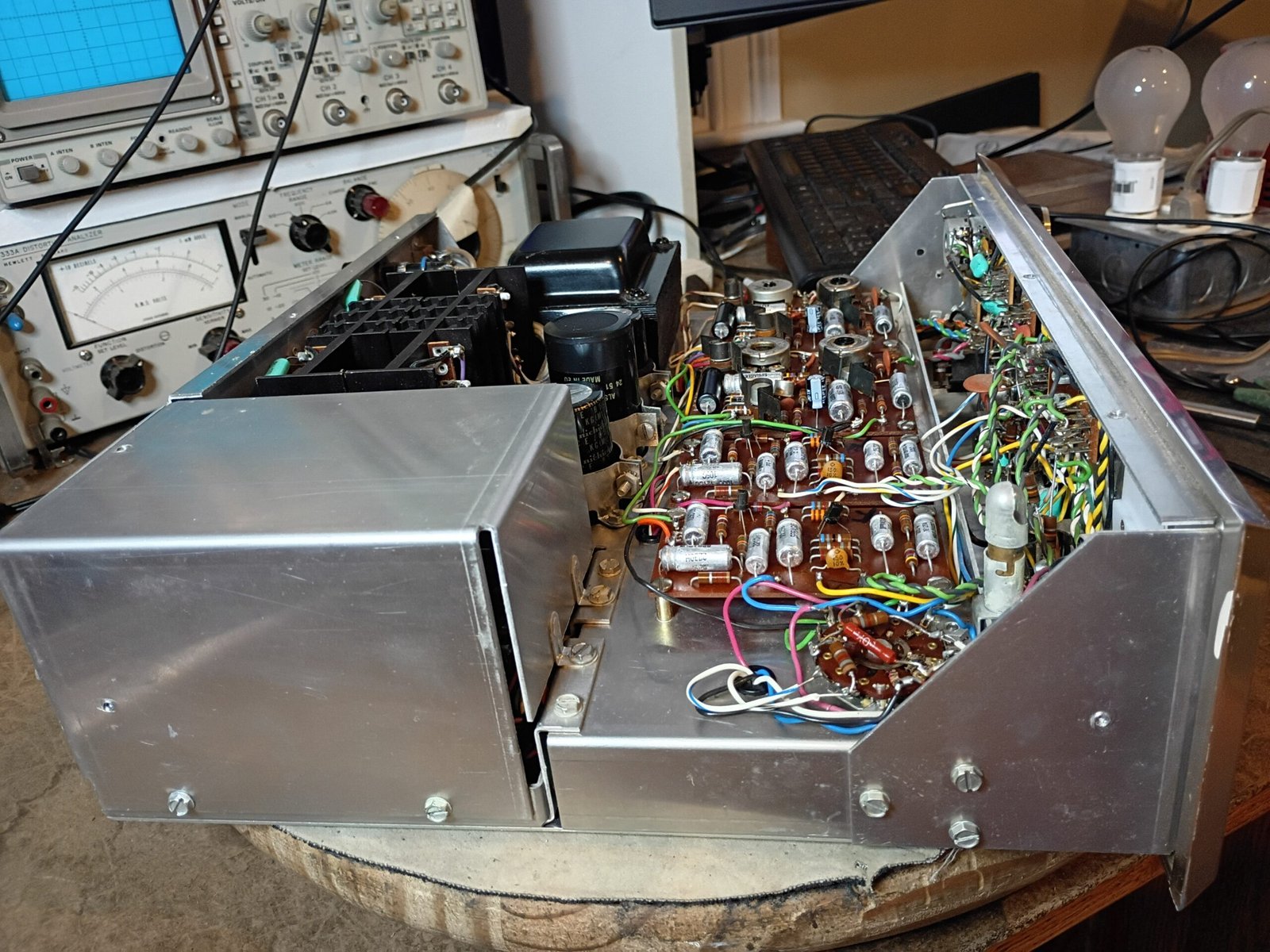
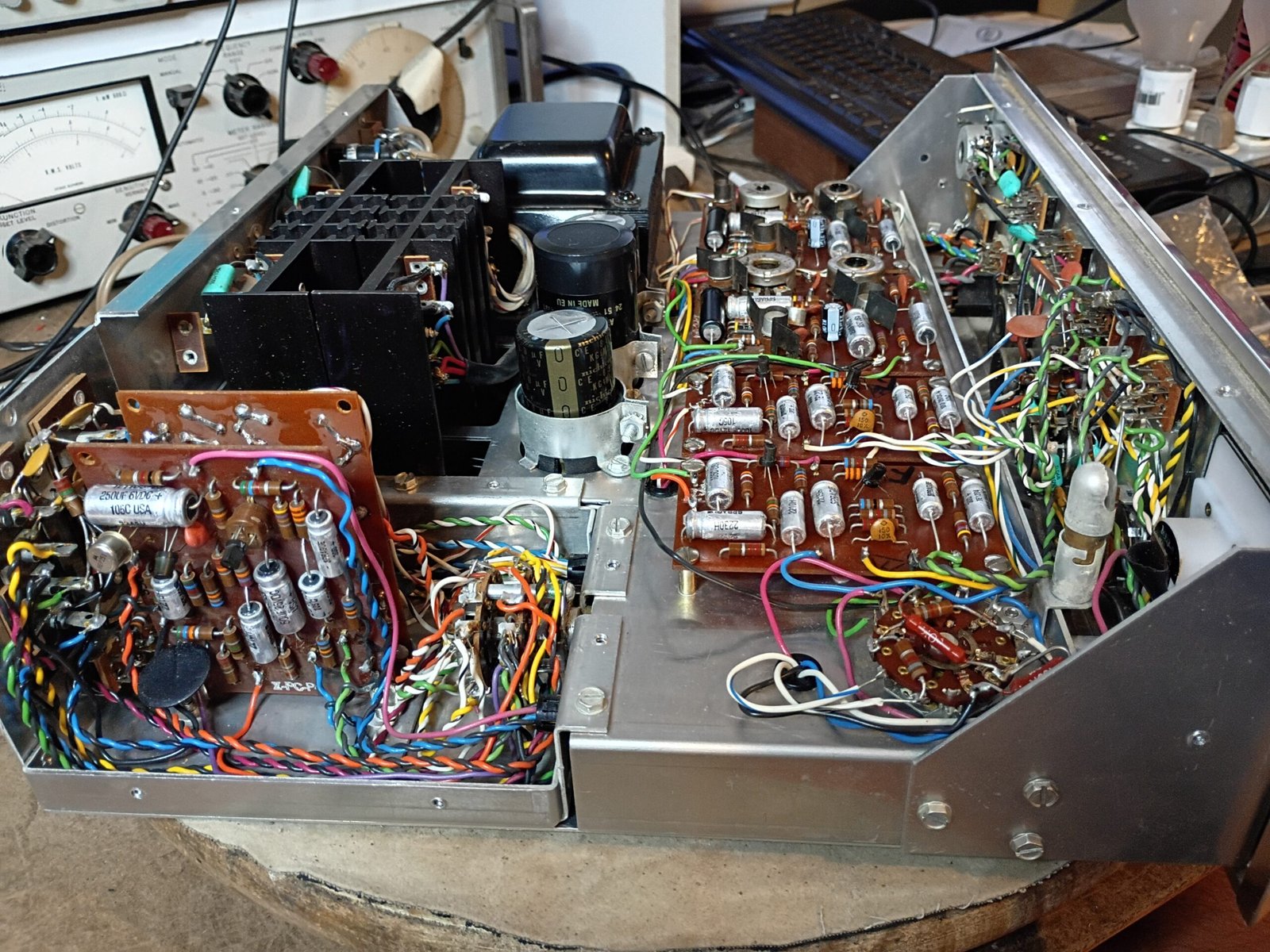
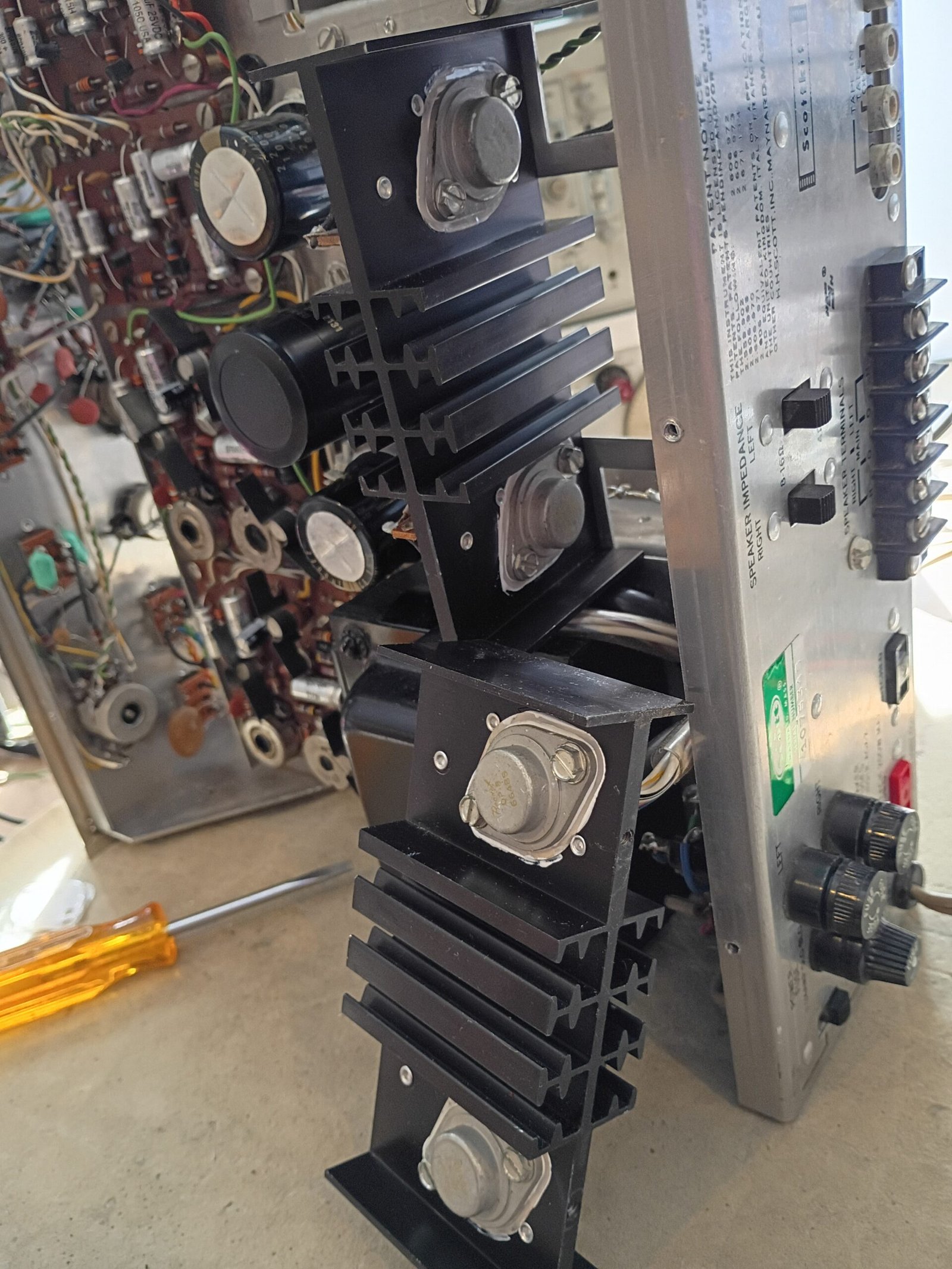
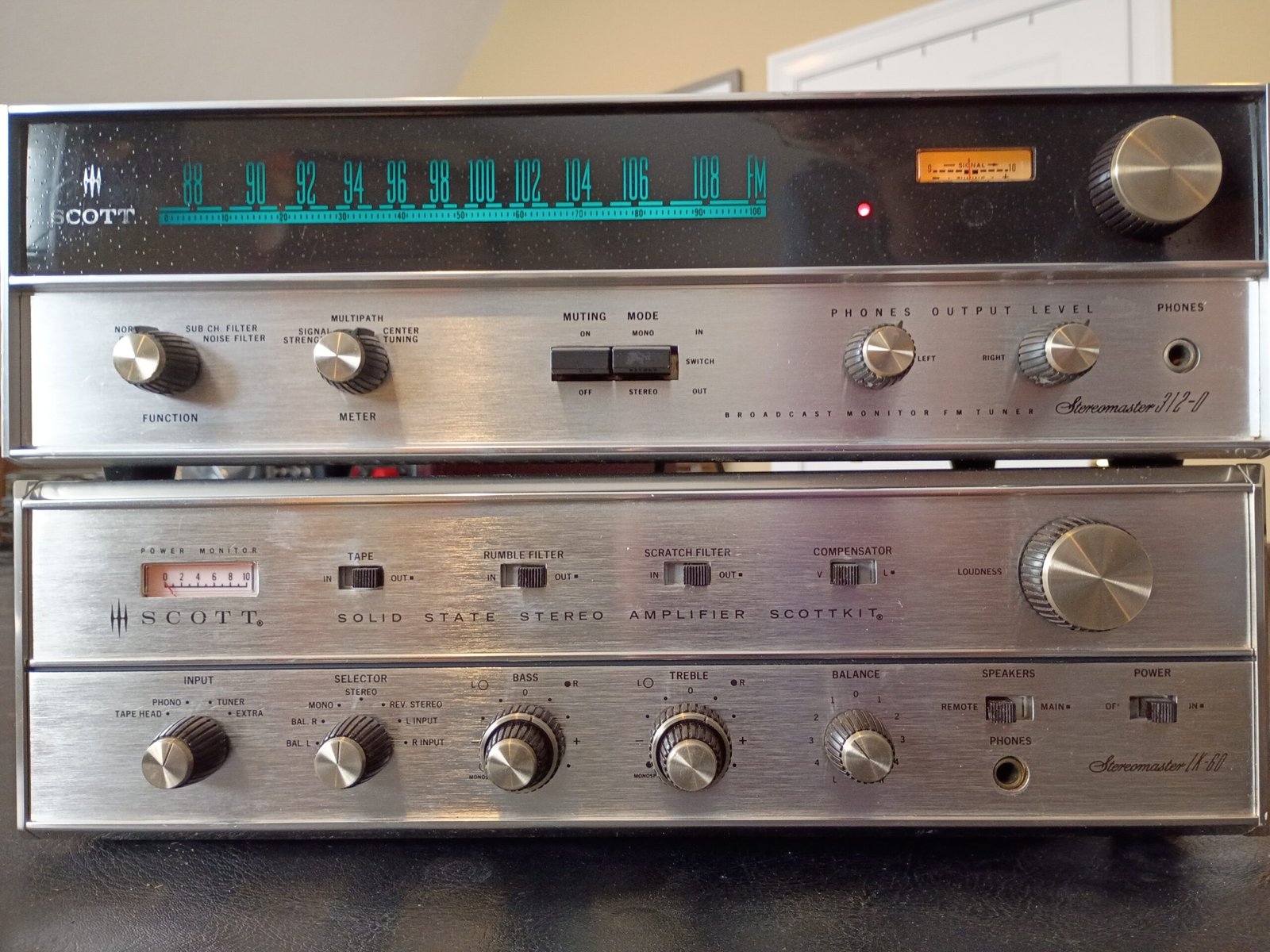
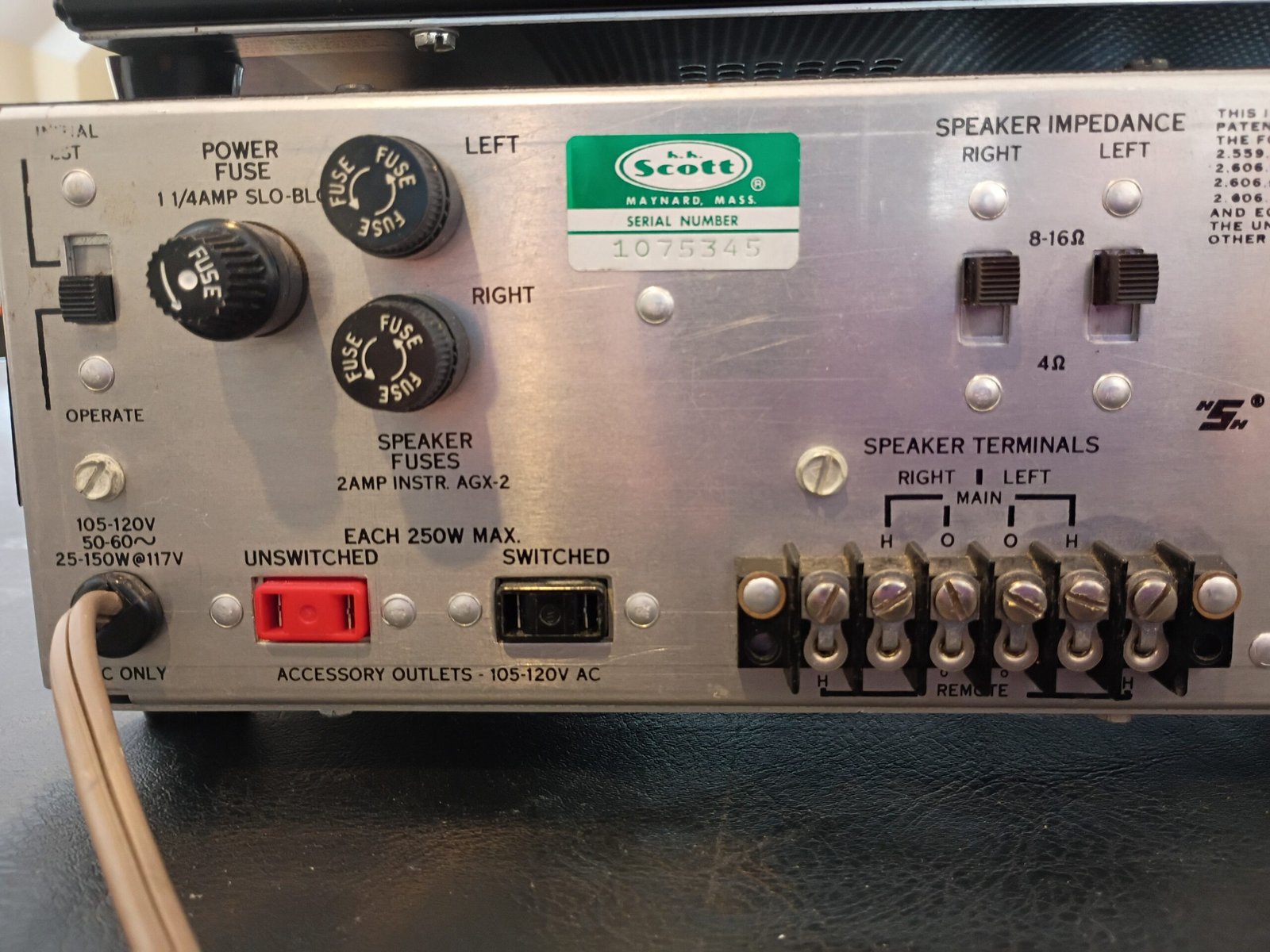
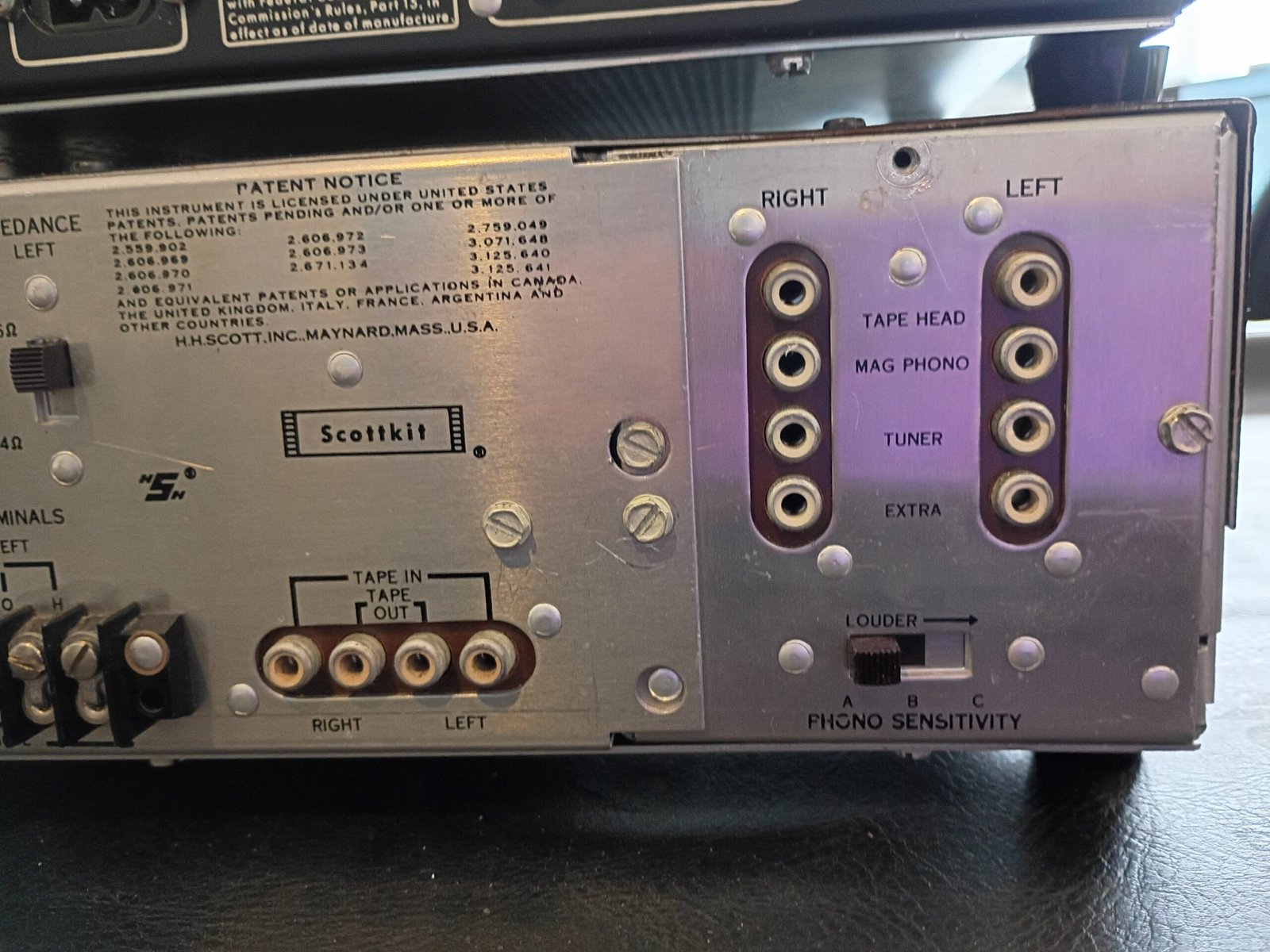
The LK60 was sold by Scott as a kit. My understanding is that the boards were fully populated, but the customer had to do all the wiring, etc to assemble it. The little meter on the left side is used for measuring DC current/power to set idle currents and output power without needing special test gear. Its actually very clever, and it was pretty accurate when I compared to what I was measuring using my DVM and scope.
Initial inspection revealed that the power switch impedance was flaky (easily resolved by a thorough cleaning). First functional test showed that both channel outputs were dead. I tracked this down to caps failing “open” in the preamp (on both channels).
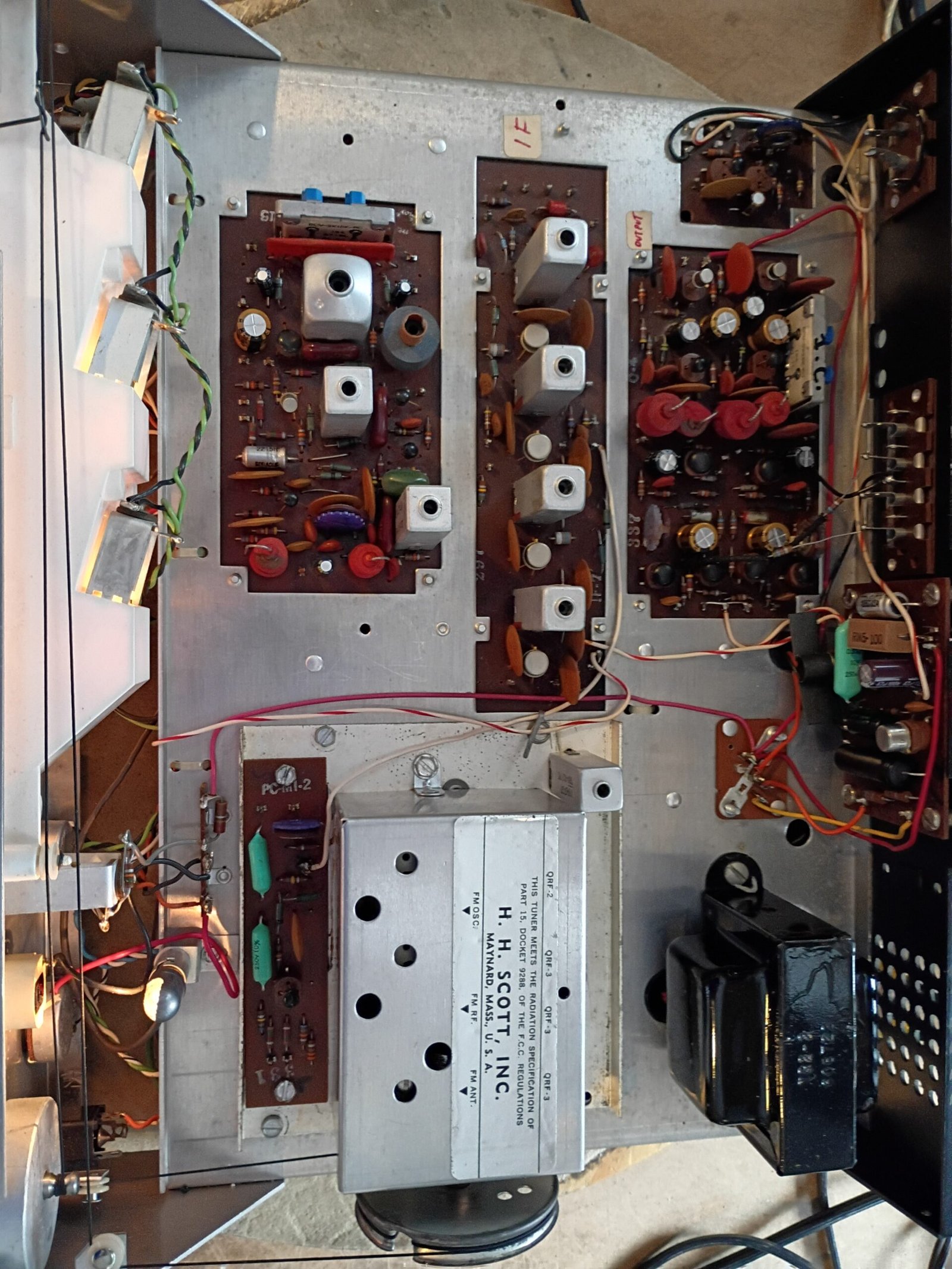
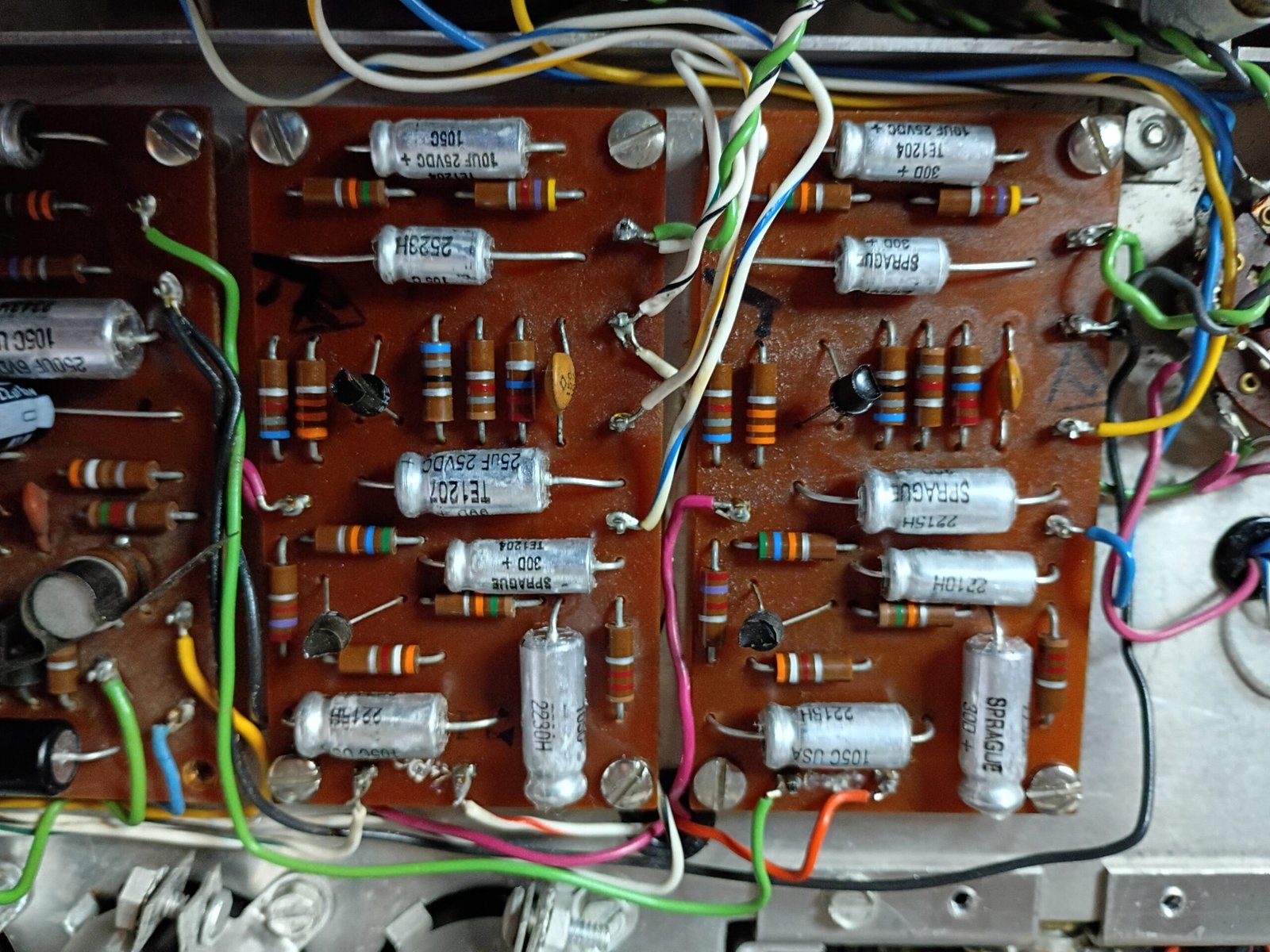
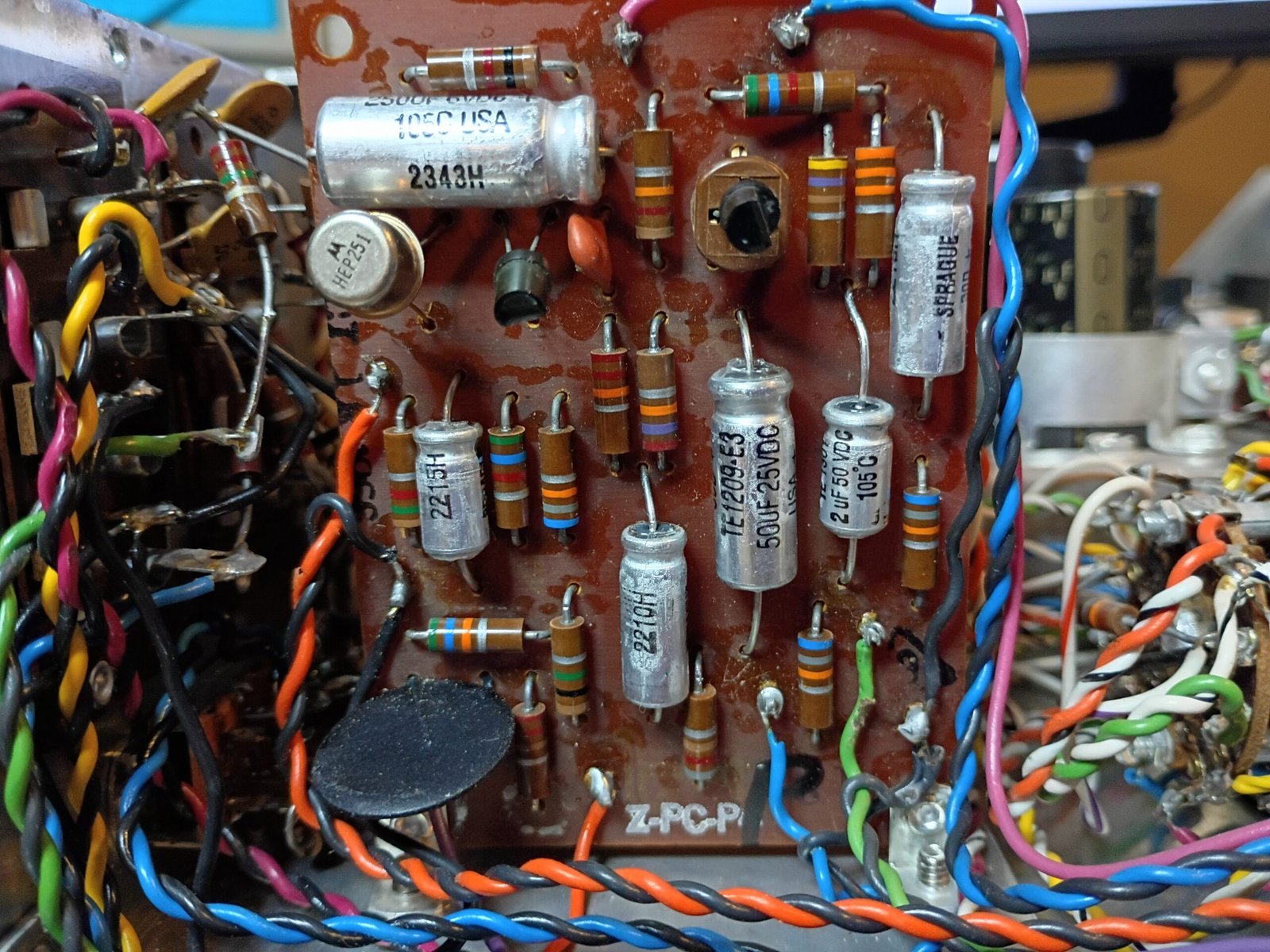
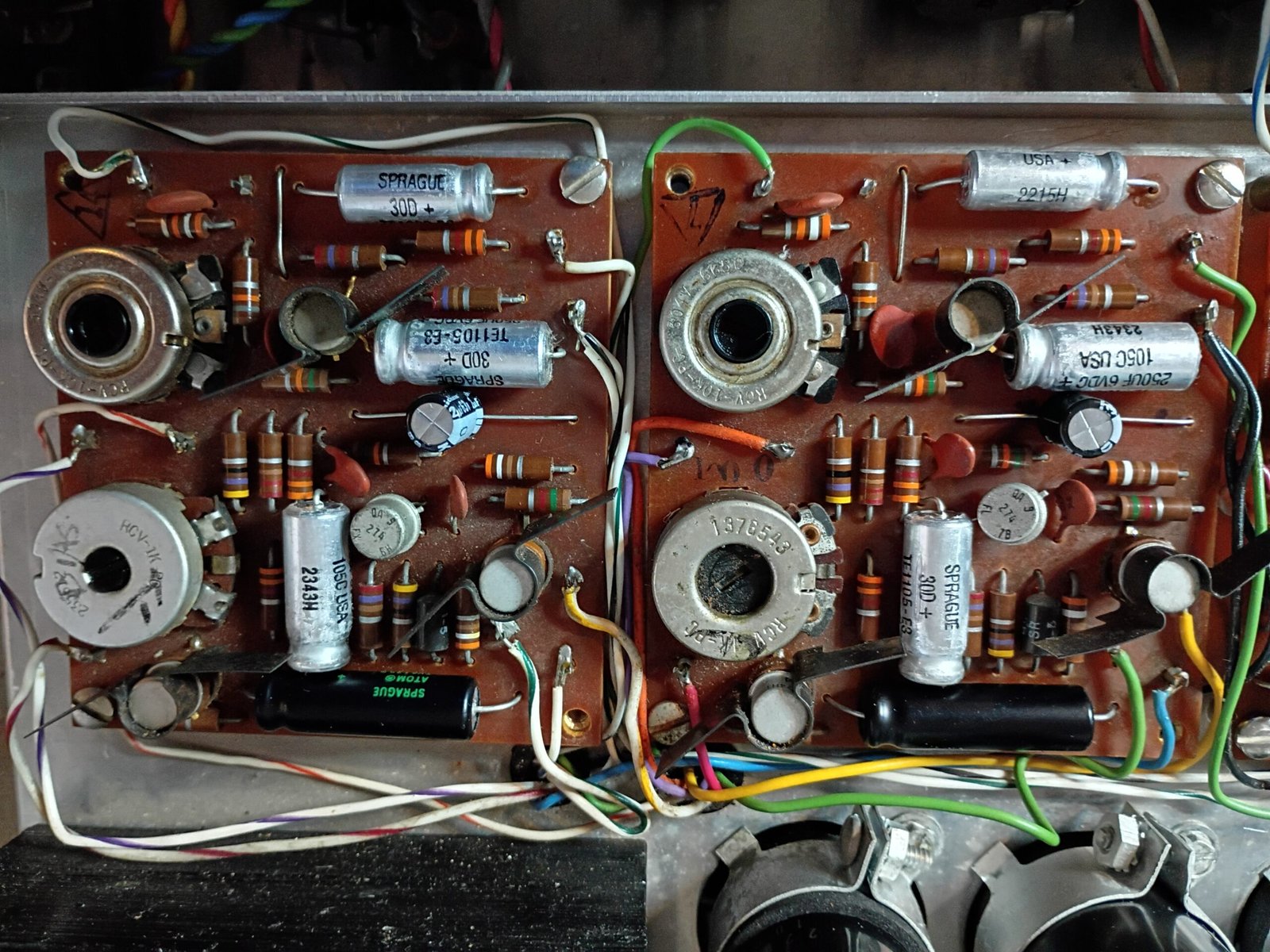
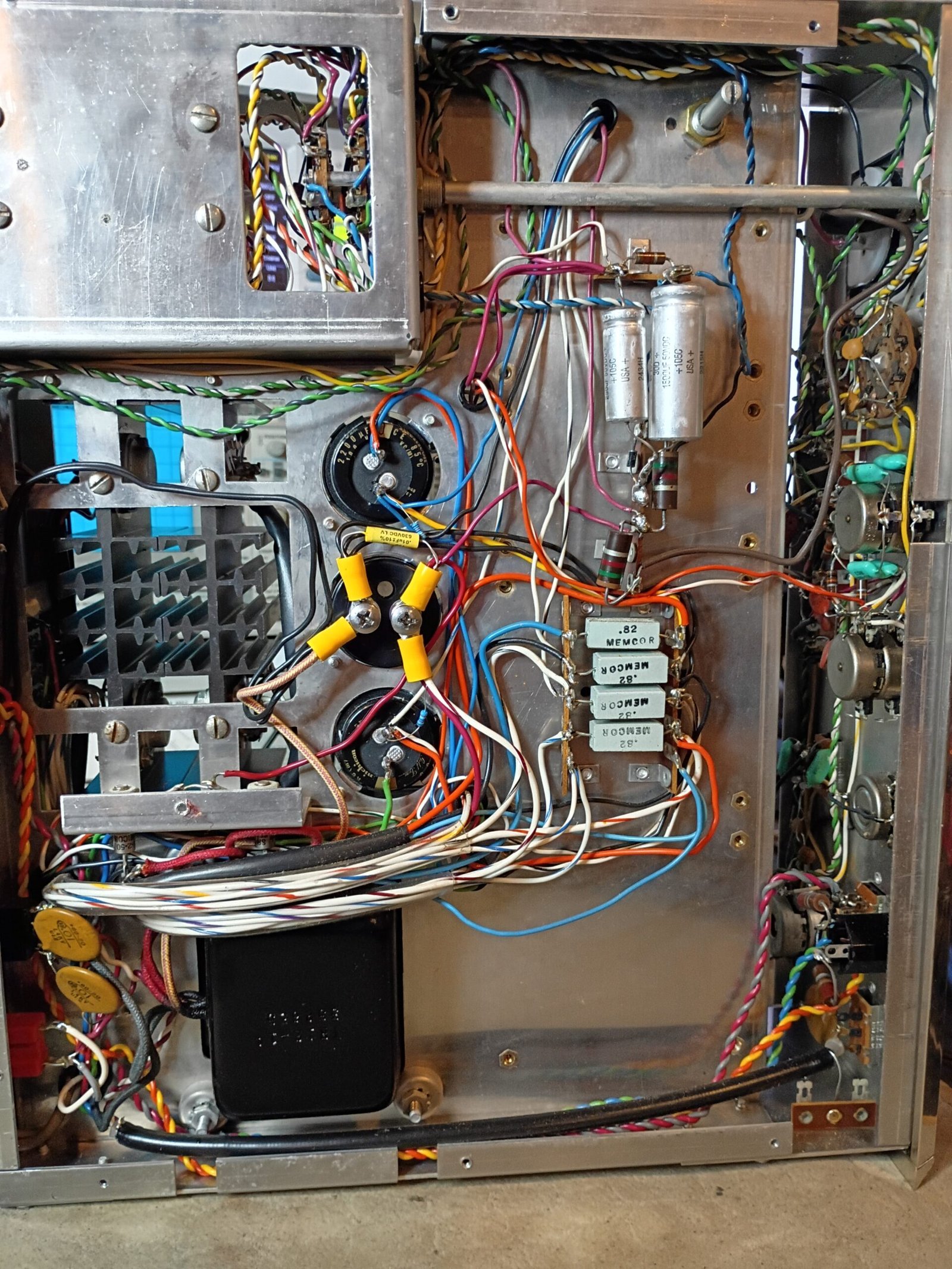
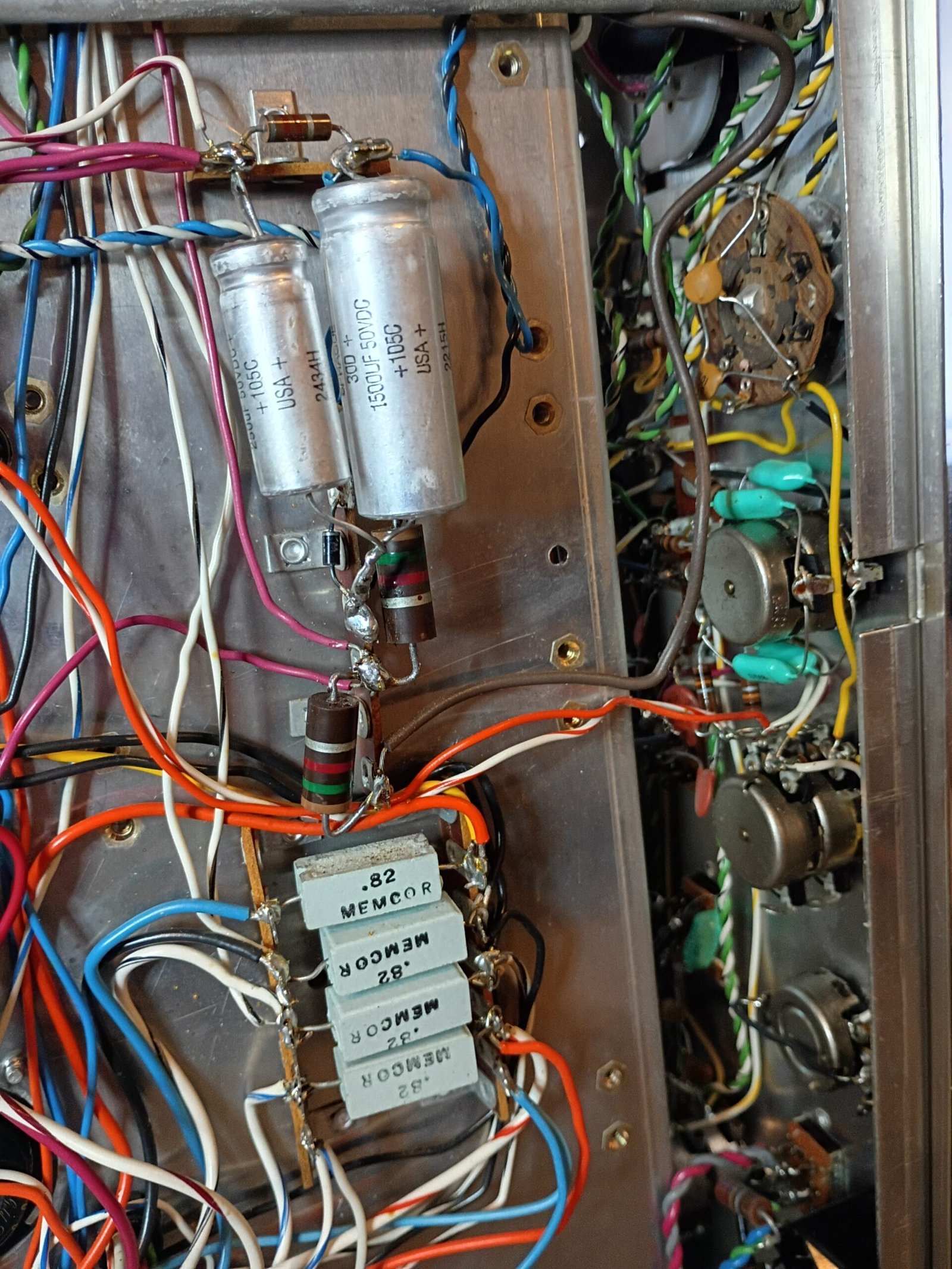
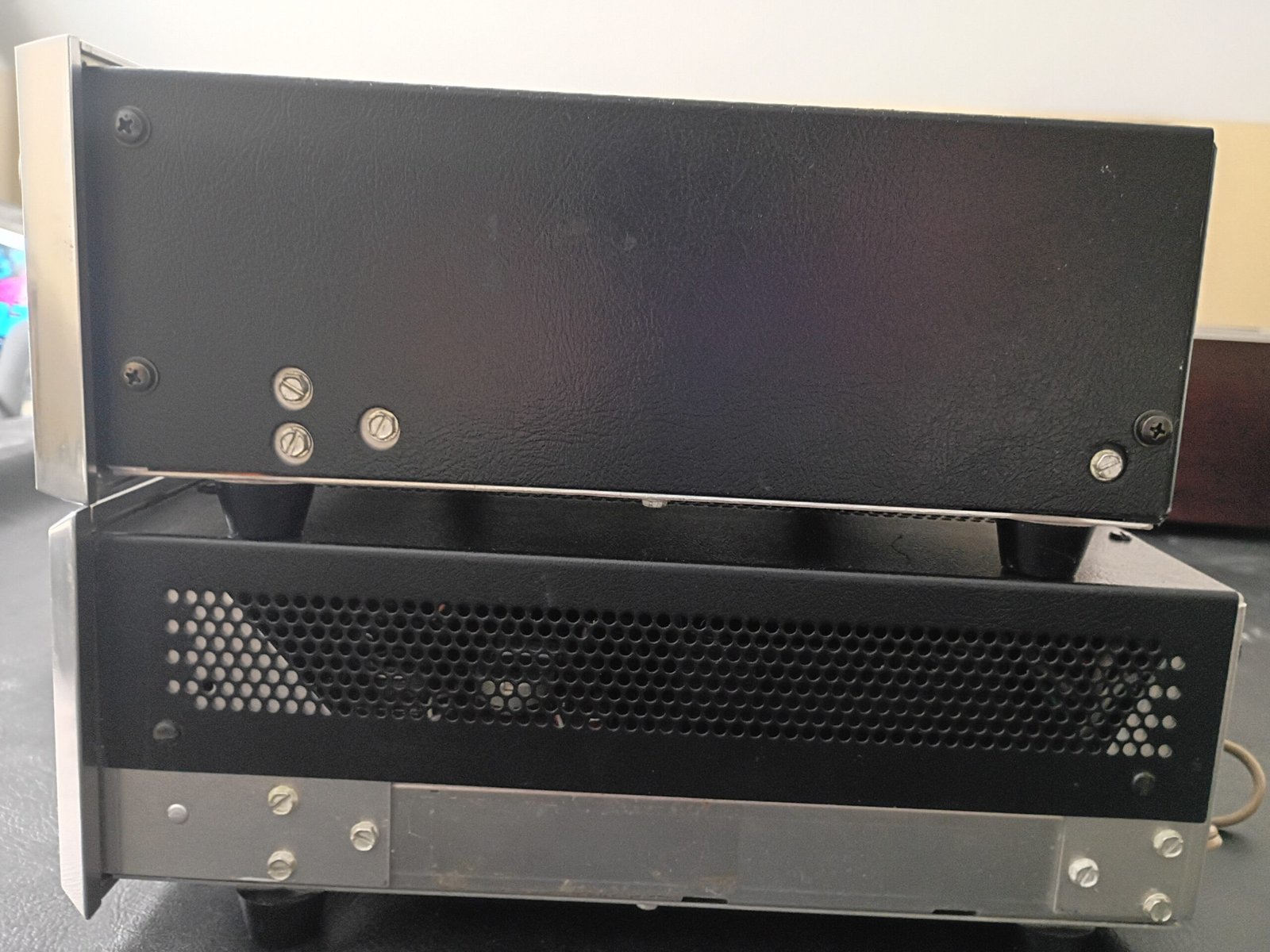
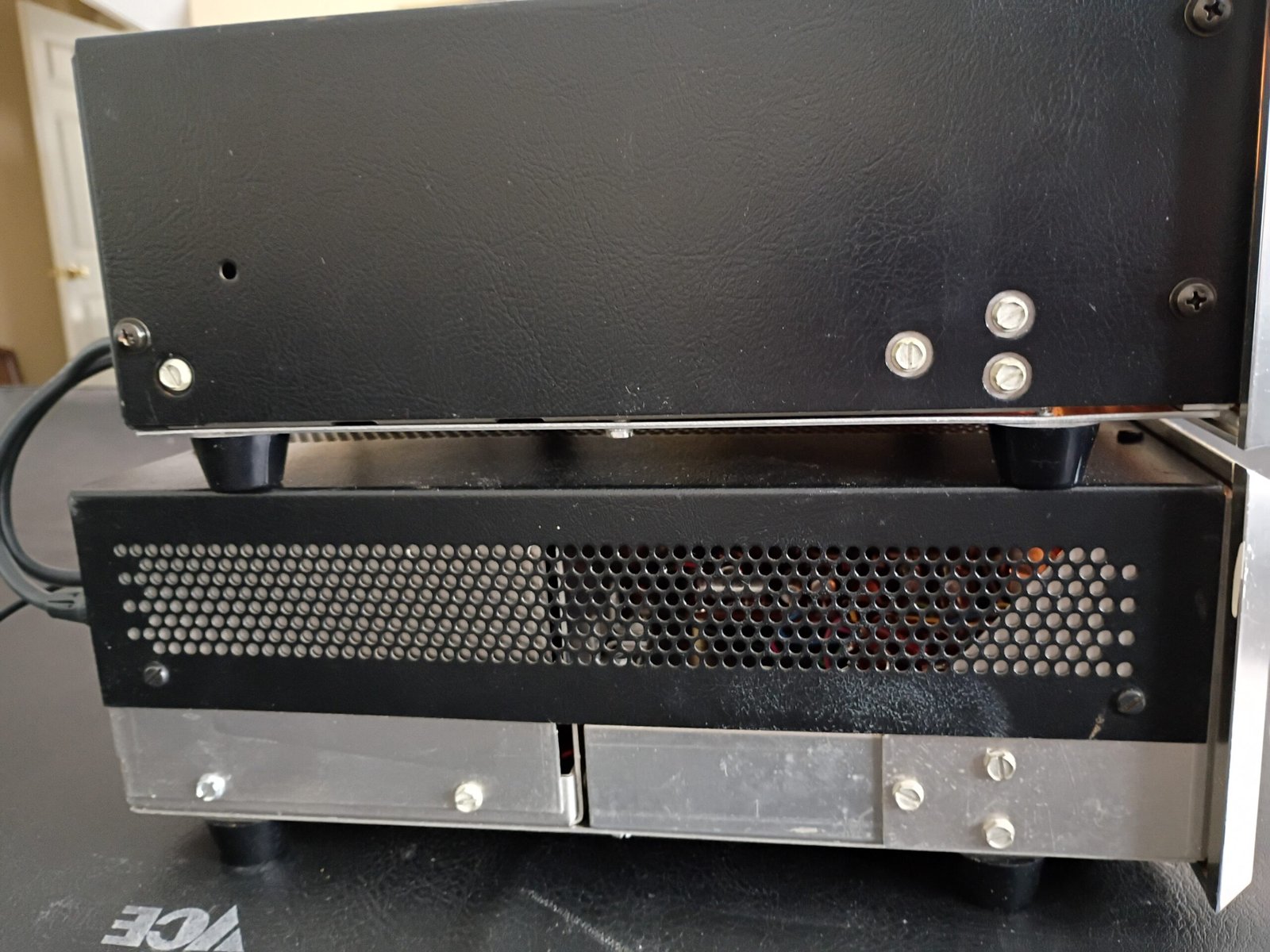
Aside : back in the late 60s, Scott used some unusual electrolytic capacitors made by Tennessee Electronics and these aged especially badly. They were mostly axial caps, and I decided to replace all of them with modern axial equivalents rather than using the more common (and much, much cheaper!) radial caps (which would look unprofessional IMHO). Even though going axial added $250 to my cost, I think the result looks great as you can see in the photos.
After recapping the preamp and main amp sections, both channels came alive, but the sound was muddy. This turned out to be due to excessive noise on the main amplifier supply (another Tennessee cap that was underperforming). It was replaced with a 3100uF cap (nice increase vs original 2000uF) and the amplifier was finally delivering the pleasant cap-coupled sound these units are known for.
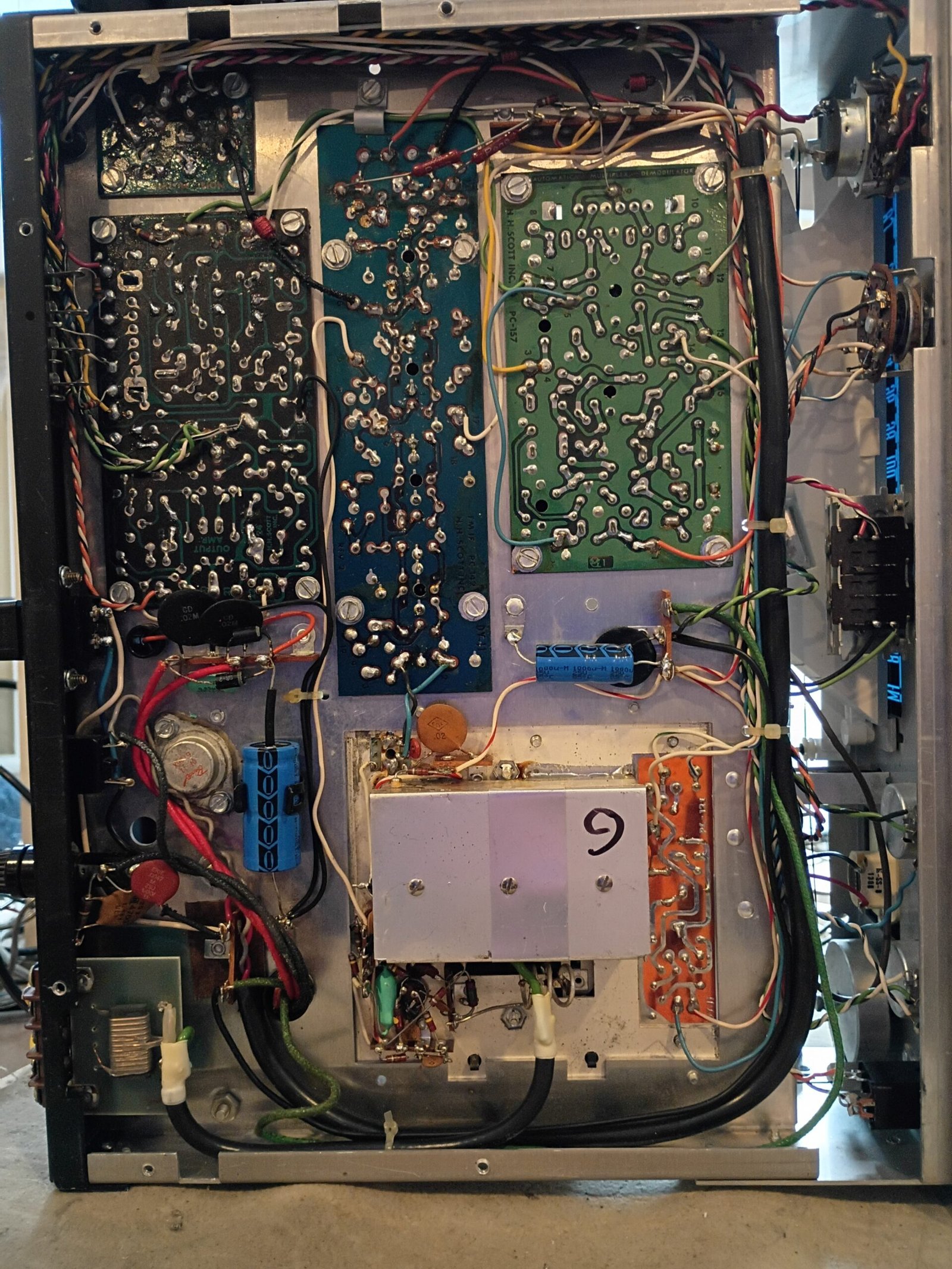
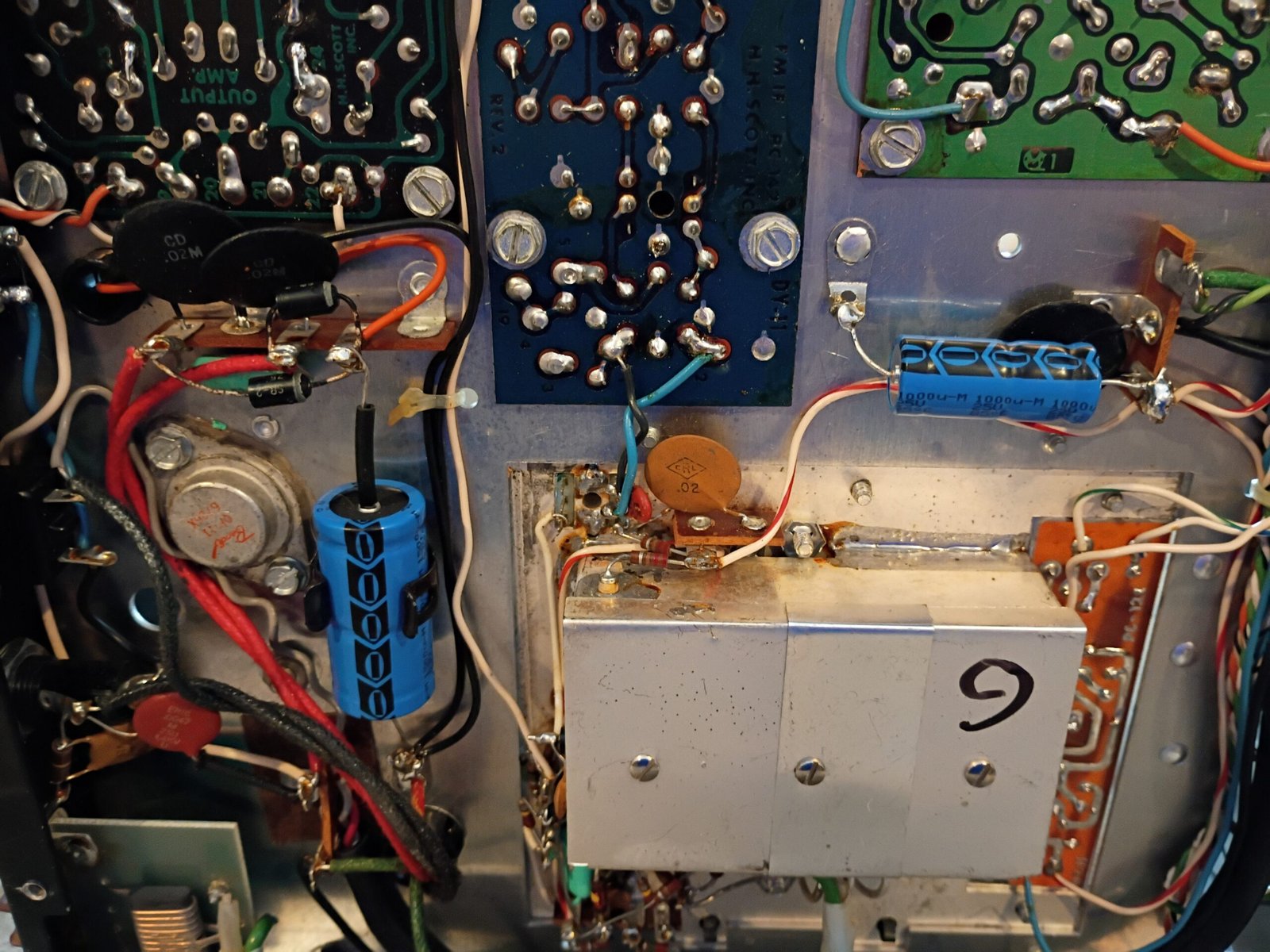
312D
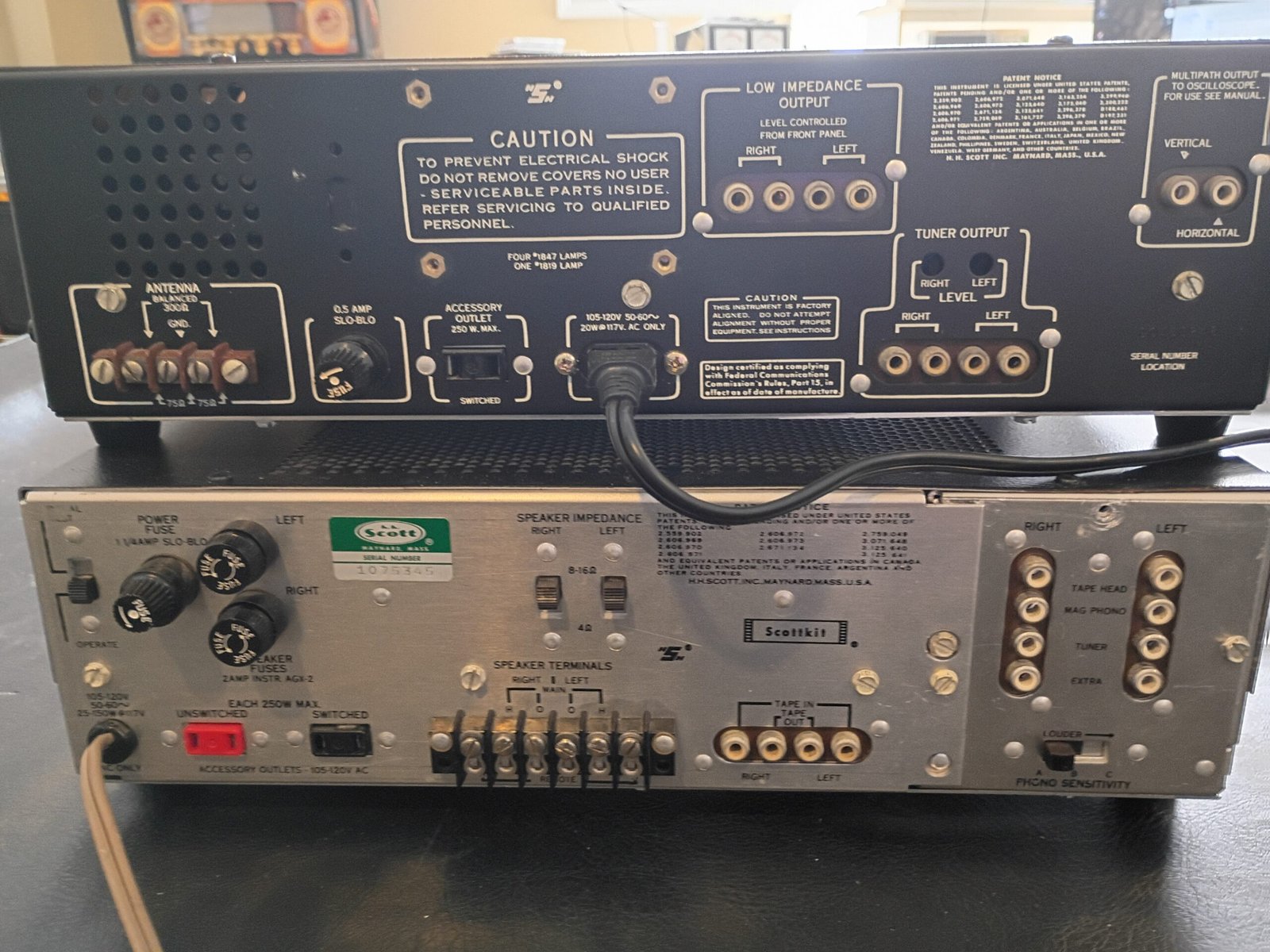
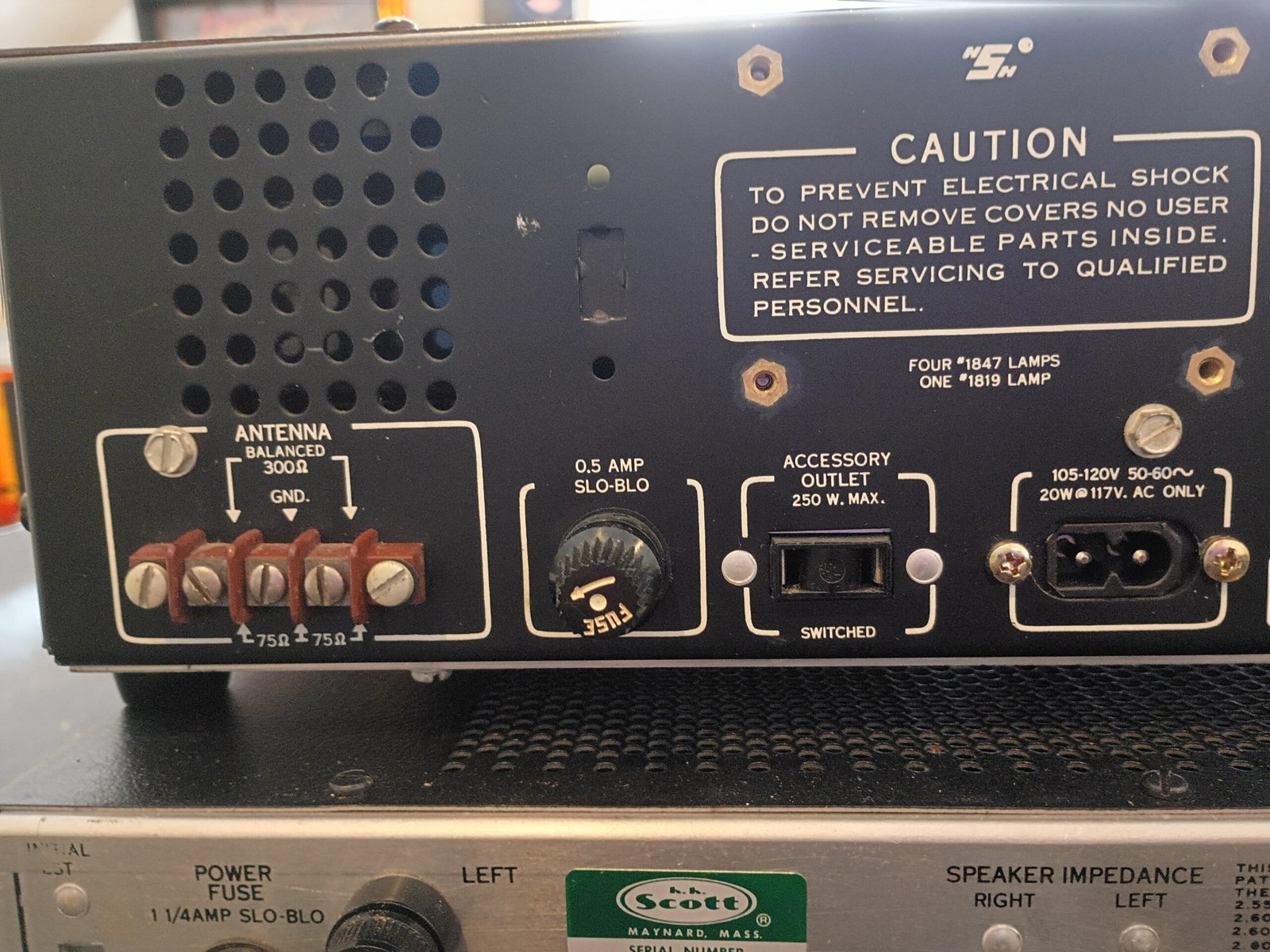
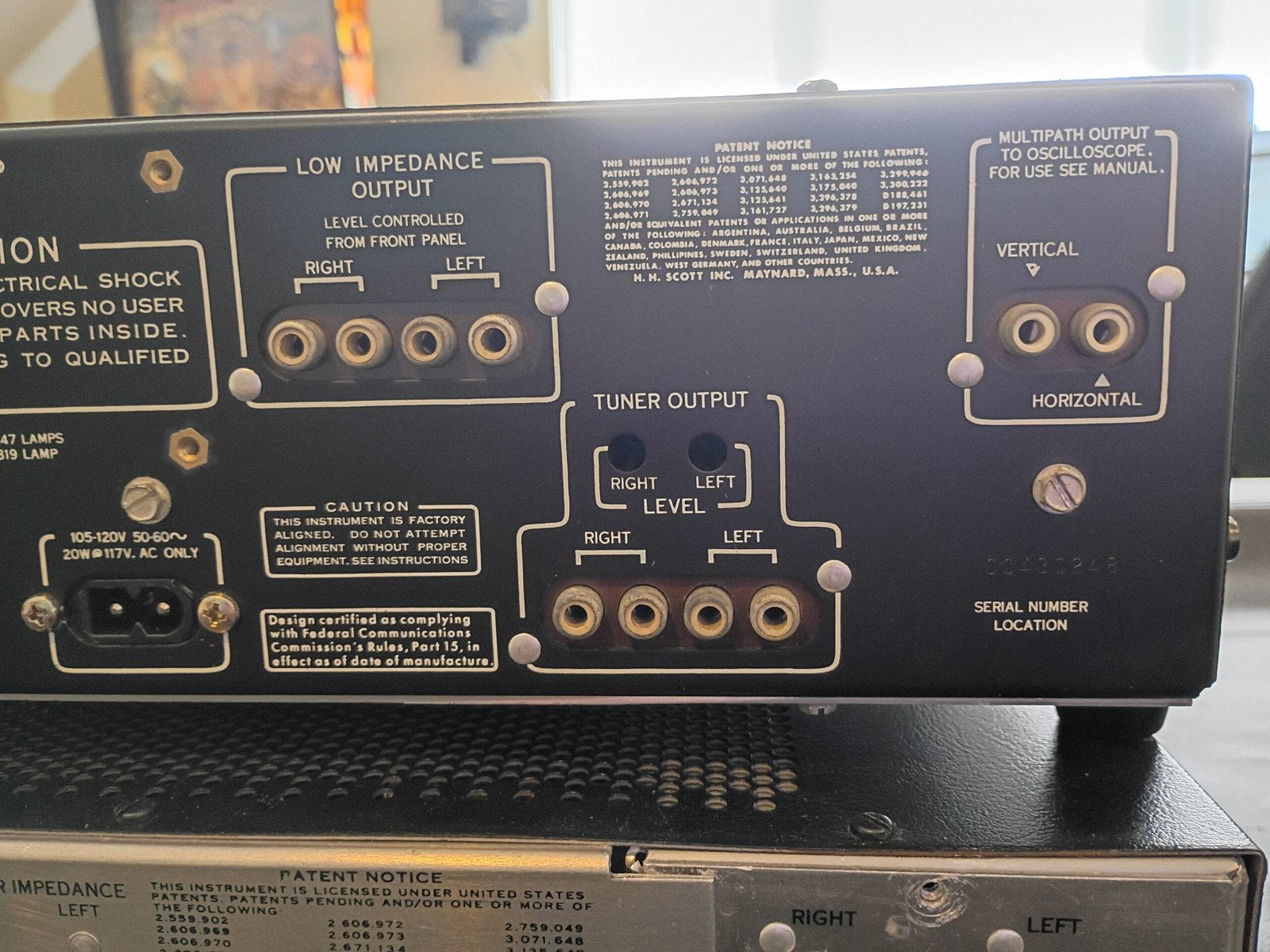
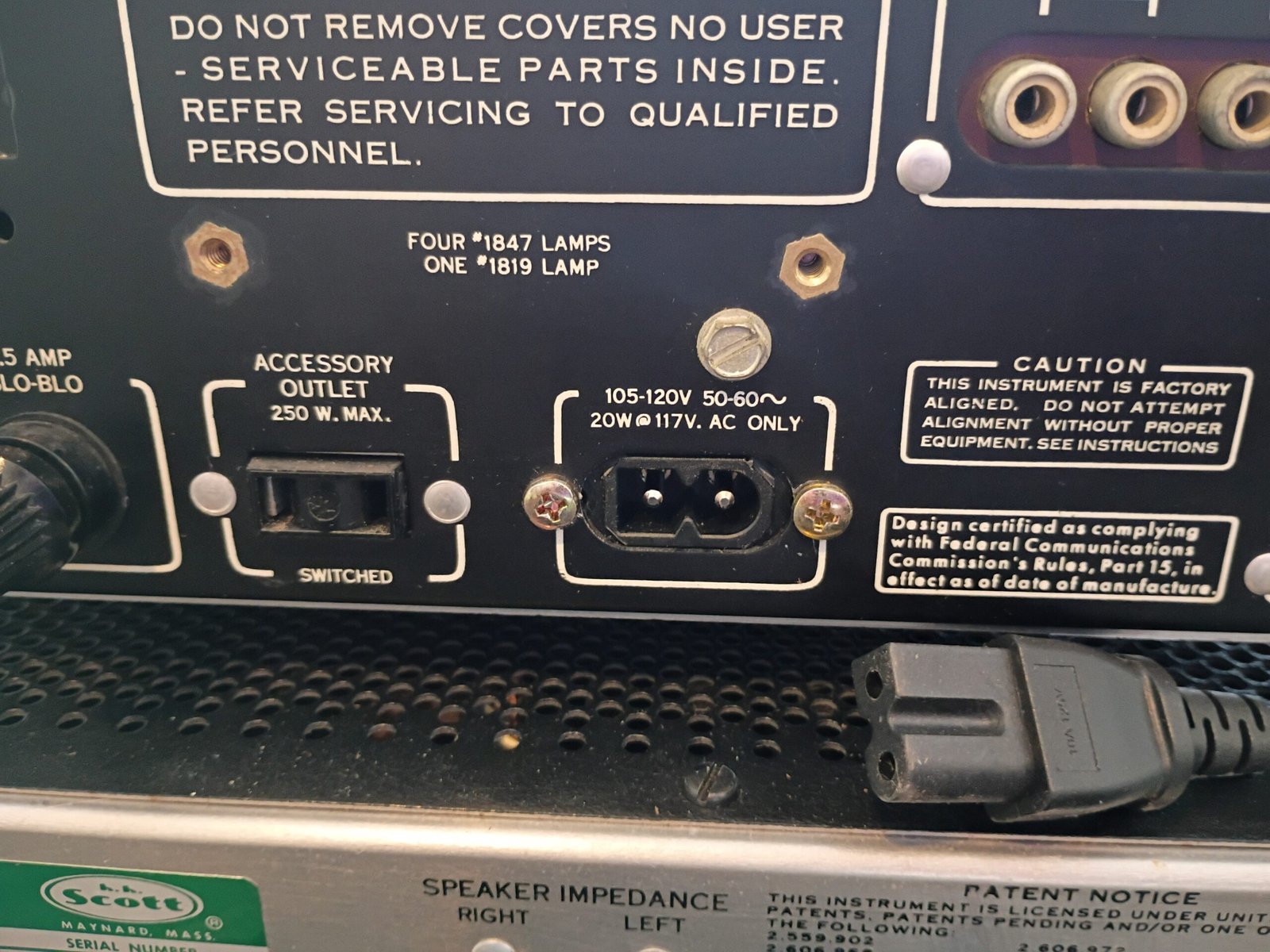
I purchased this tuner from a local vintage reseller who reported it was highly functional. It was missing some knobs which I found replacements for. Scott used a 2 pin interface in the back of the tuner for a proprietary removable power cord. The cord was shot, so I replaced the power cord interface with a modern polarized one with new/compatible power cord and correctly wired neutral prong (wider prong going into the wall outlet). It is fine to grind off the ears on the neutral prong so you can plug it into the back of the LK60 (note that these units never relied on a polarized AC input).
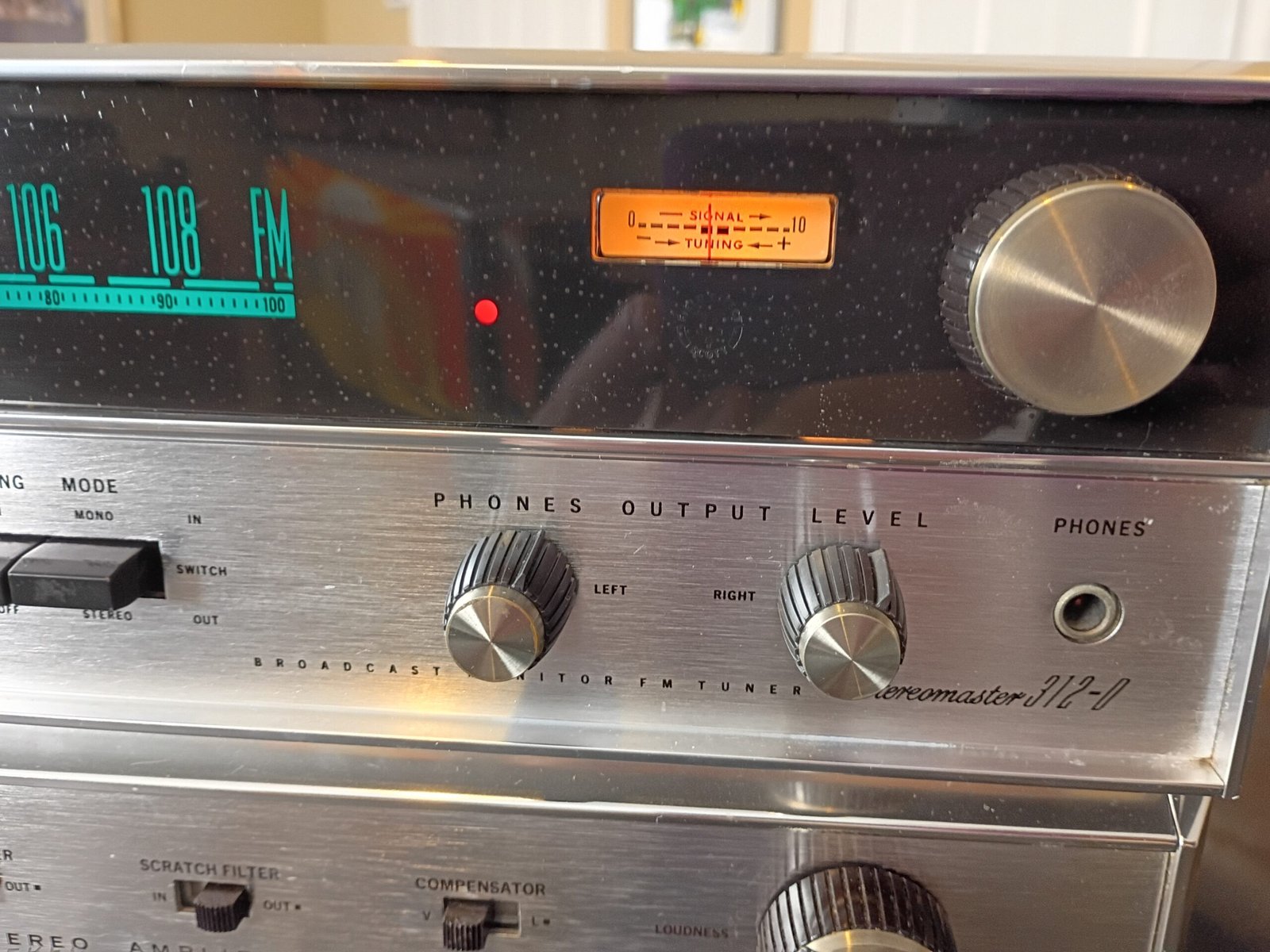
The Scott 312D is a highly regarded FM stereo tuner – even by modern standards. It has a separate amplifier section for a headphone output (with right and left level settings on the front). You can also customize the normal tuner RCA output levels with 2 pots in the back. The single meter can be used to show signal strength, tuning center or multipath levels. The sensitivity and selectivity are also excellent. Pretty impressive for 1968.
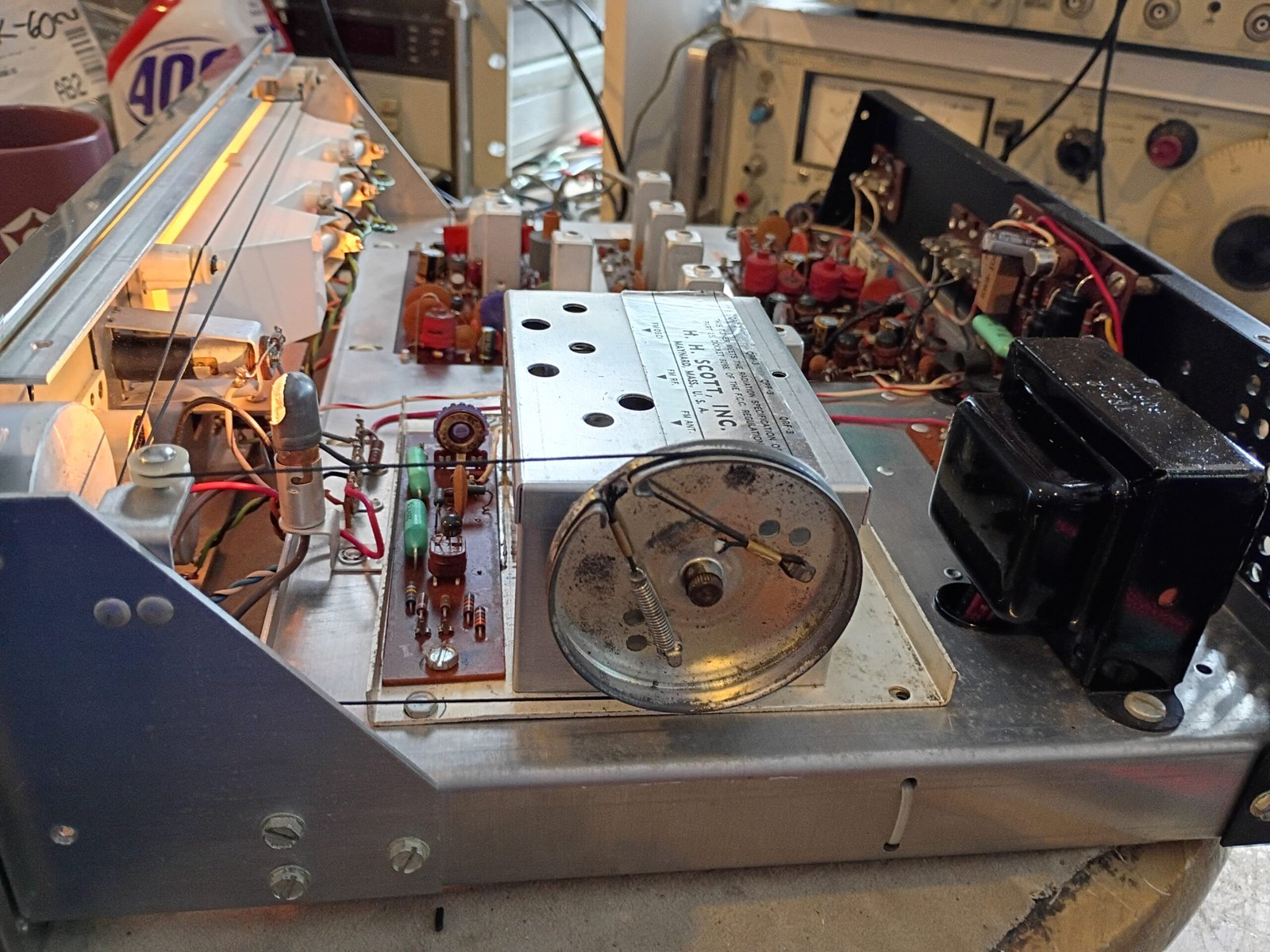
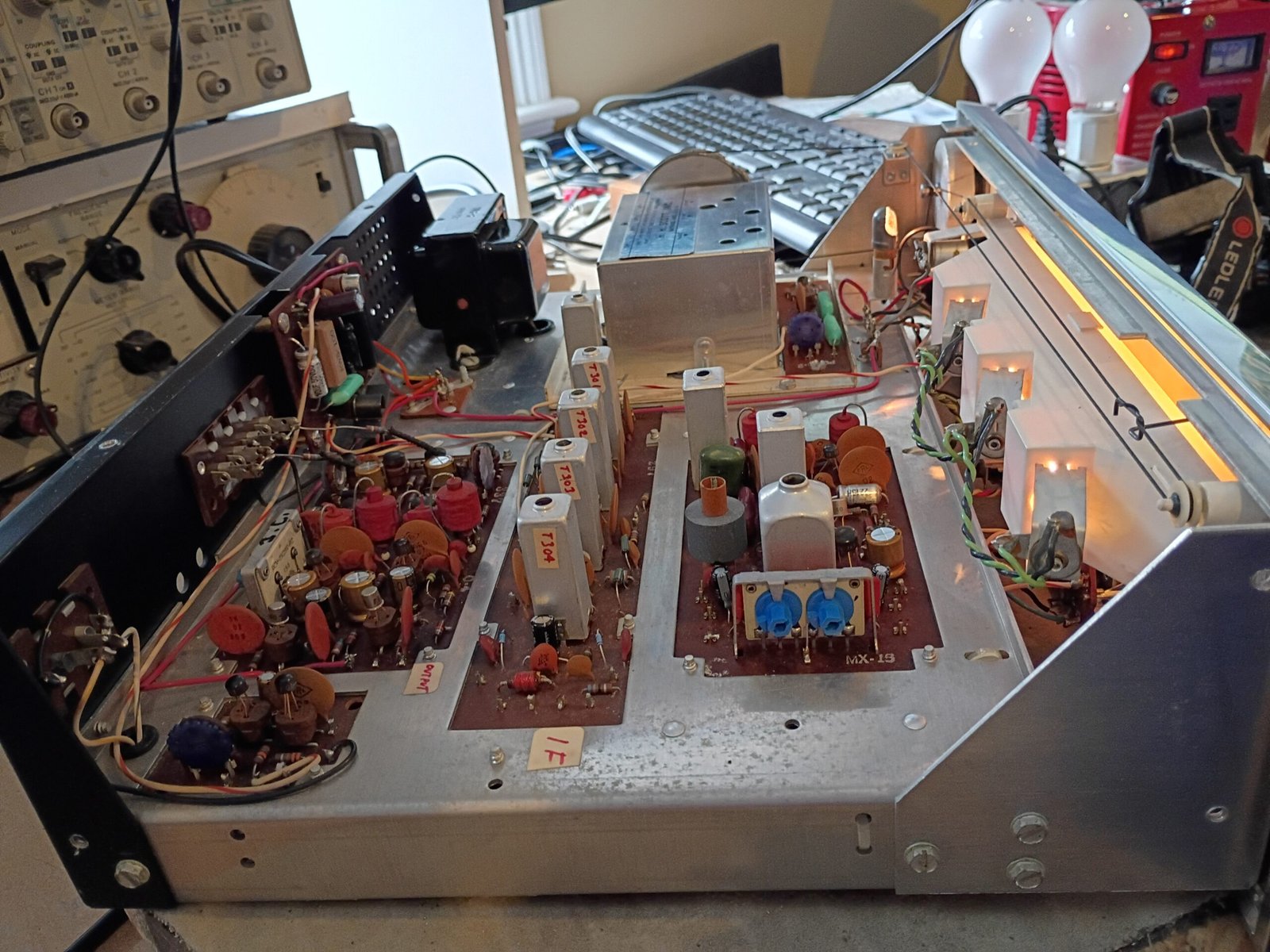
The recap and alignment went smoothly, and it does perform very well.
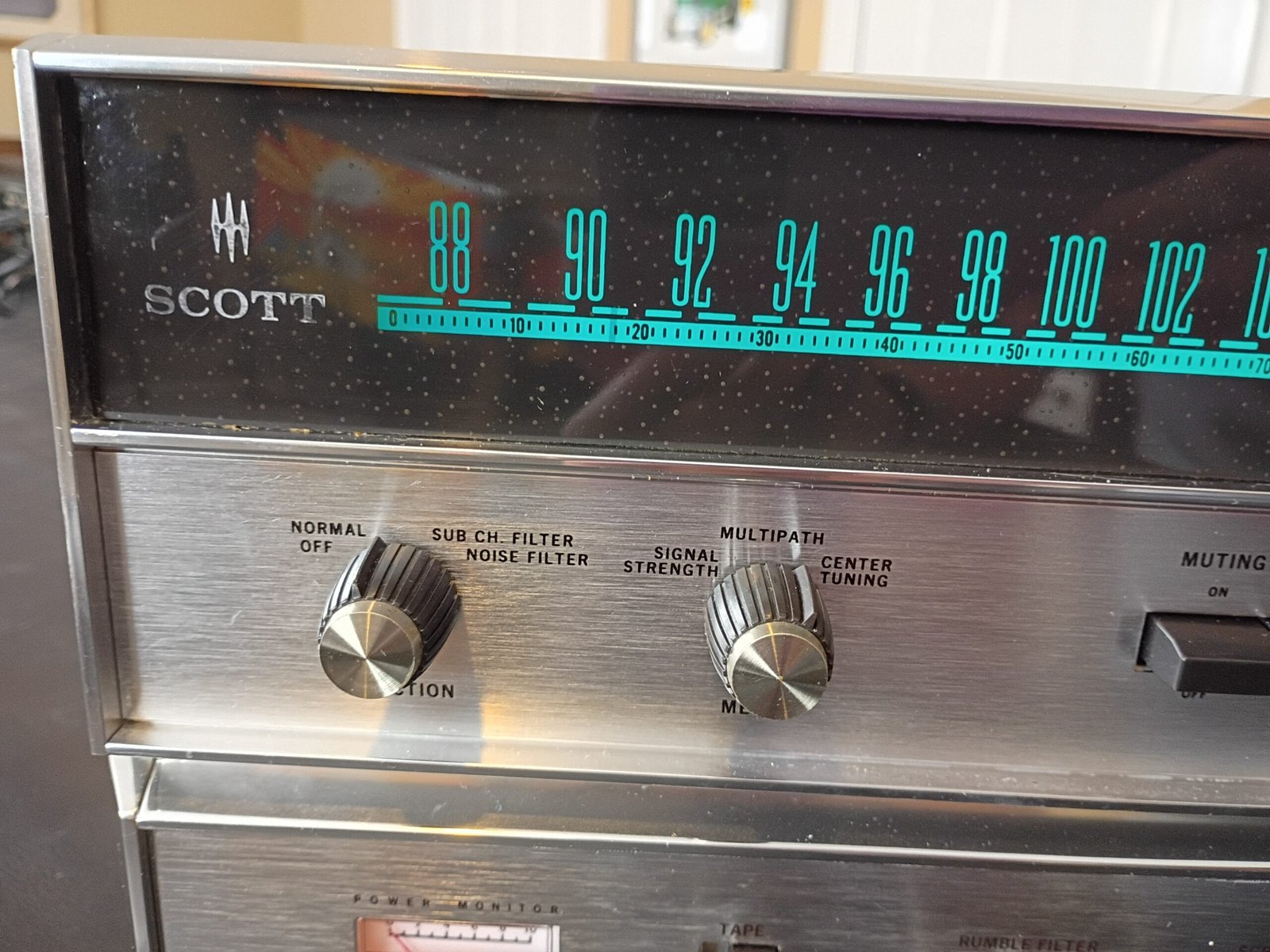
The dial had some worn printing (Scott logo) and a fine stipple pattern in the clear plastic dial that you can only really see with harsh/direct lighting. I used that lighting to show this in the photos. Again, this is not visible in normal lighting.